Taking part in the Commission on the Environment and Shared Water Resources made it possible to identify common challenges and opportunities for both countries to strengthen scientific knowledge about mountain territories.
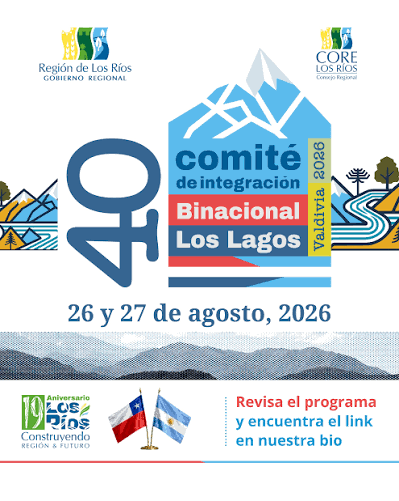
With more than 500 representatives from Chile and Argentina, Valdivia hosted the 40th Meeting of the Los Lagos Binational Integration Committee on August 26 and 27. The event brought together authorities, public institutions, municipalities, organizations, universities and private sector stakeholders from five Chilean regions (Ñuble, Biobío, La Araucanía, Los Ríos and Los Lagos) and the Argentine provinces of Neuquén, Río Negro and Chubut to address a shared agenda for cooperation and territorial integration.
With four decades of history, the Los Lagos Integration Committee is an institutional space for cooperation between the two countries, focused on matters of common interest and on promoting coordinated solutions for a territory that shares borders, ecosystems and challenges. This year's areas of work included border facilitation, infrastructure and transport, trade, tourism, risk management, health, human development, culture and the environment.
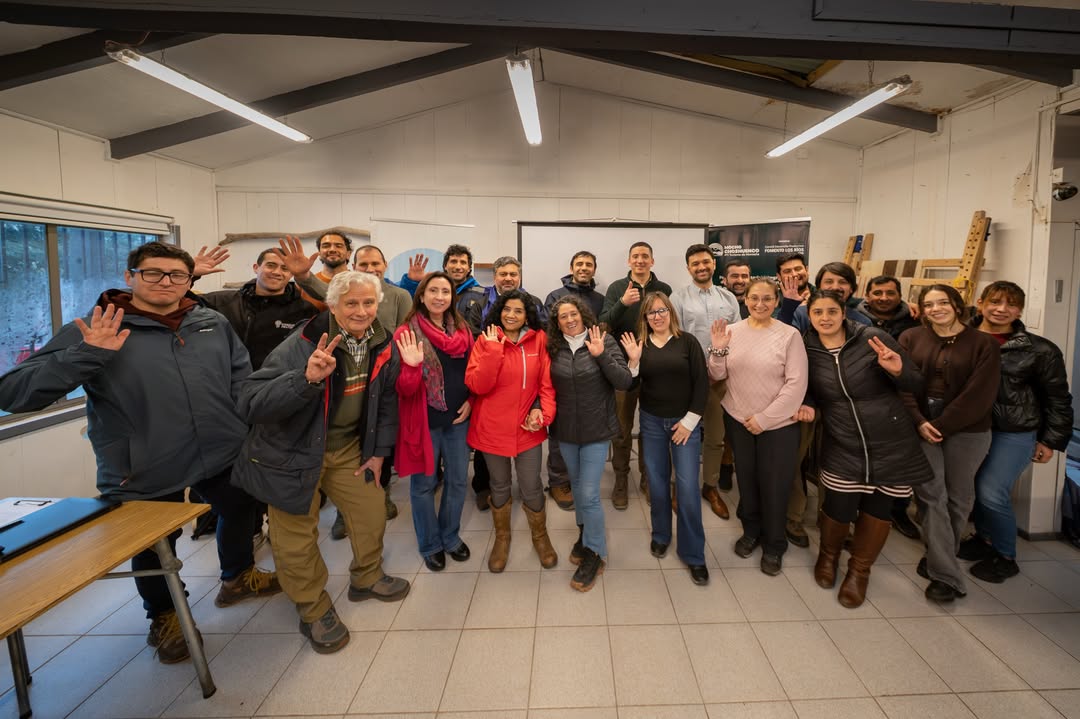
In this context, the Southern Andes Natural Laboratory (LNADS) took part in the Commission on the Environment and Shared Water Resources, where it learned first-hand about the main lines of work and environmental challenges that have historically been part of the binational agenda. It also had the opportunity to talk with representatives of the Ministry of the Environment, the Los Ríos Regional Government, the Biodiversity and Protected Areas Service (SBAP), the Directorate of Borders and Boundaries and the Ñuble Regional Government, among other stakeholders involved in territorial and environmental management.
Of particular importance for the Laboratory is the existence of a binational biological corridor in which the mountain range serves as a backbone connecting ecosystems and protected areas on both sides of the border. This territory links biosphere reserves and protected areas extending from the Nevados de Chillán–Laguna del Laja area and the Araucarias Biosphere Reserve to the Temperate Rainforests of the Southern Andes Biosphere Reserve in Chile and the Andino Norpatagónica Biosphere Reserve in Argentina.
The discussions in the Environment Commission identified several shared challenges that require knowledge and coordination at the binational scale. These include the conservation of biological corridors, environmental education, invasive species management, sustainable management of the araucaria, shared river basins, geological risks and hazards, ecosystem monitoring and waste management.
For the Southern Andes Natural Laboratory, this agenda is an opportunity to strengthen the links between science, territory and decision-making at a scale that goes beyond administrative borders. The experience gained in the Southern Andes makes it possible to extend tools and capacities that help build an integrated understanding of the natural and social systems of this vast mountain region.
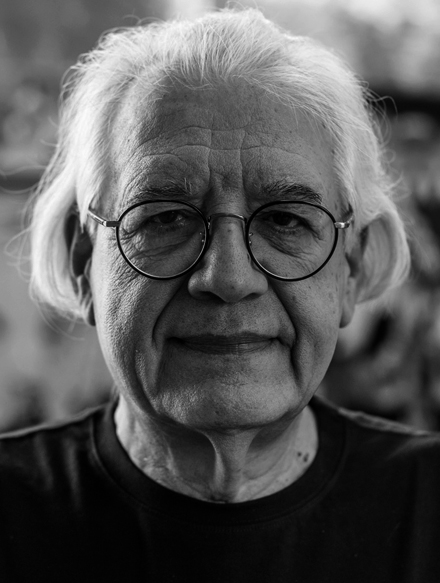
"Taking part in this Committee showed us that many of the challenges that have long been on the binational environmental agenda are precisely those that require an integrated scientific view of mountain territory. There is an opportunity to move toward a strategic study to find out what science exists, where the knowledge gaps are and what scientific information can contribute to managing this territory shared by Chile and Argentina," said Patricio Contreras, Executive Coordinator of the Southern Andes Natural Laboratory.
Participation in the 40th Los Lagos Binational Integration Committee thus opens a new scale of collaboration for the Laboratory: the mountain range understood not as a border, but as a shared space connecting ecosystems, communities and scientific challenges on both sides of the Andes. This approach will help continue building alliances and exploring new forms of scientific collaboration to support the sustainable management of mountain territories.