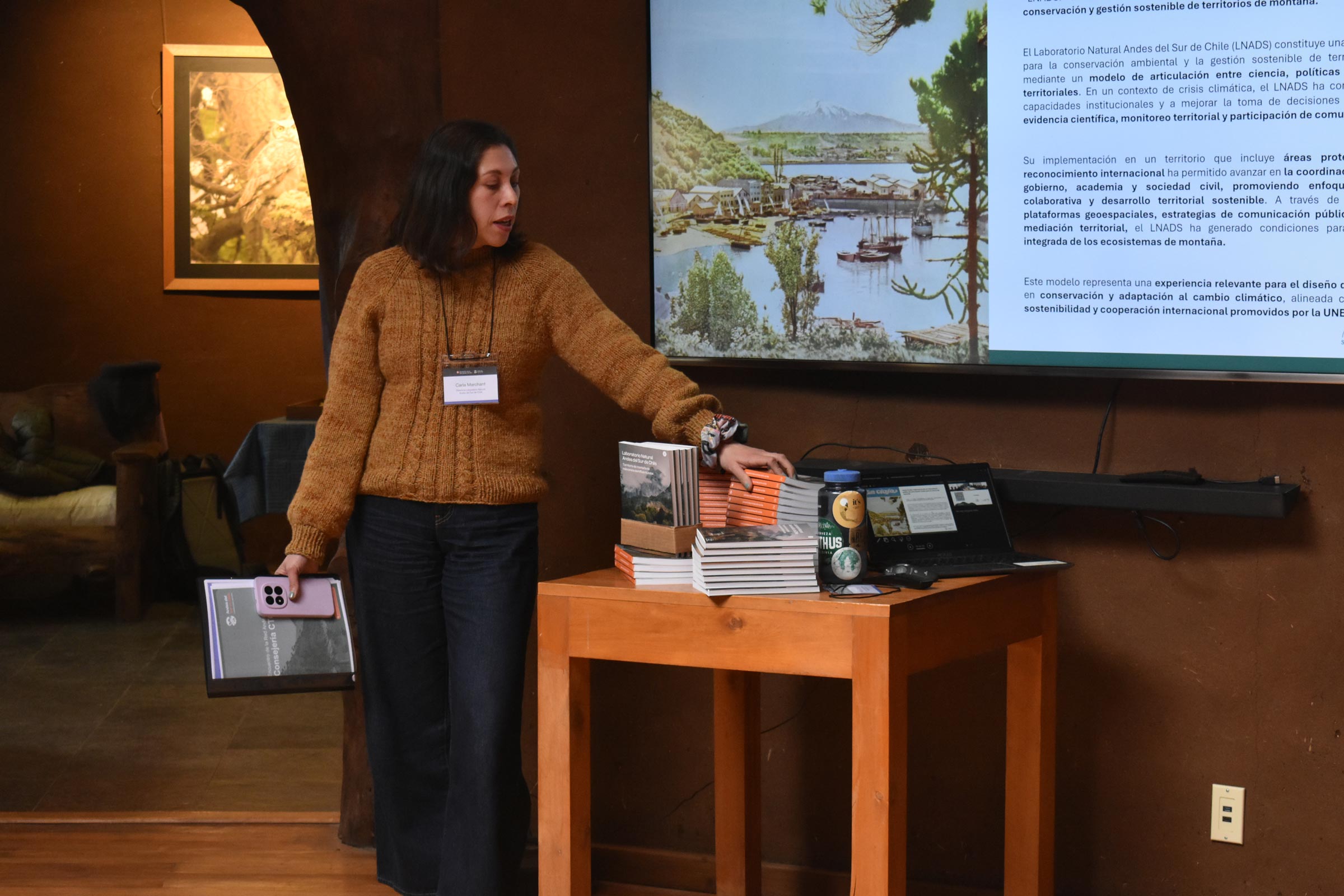
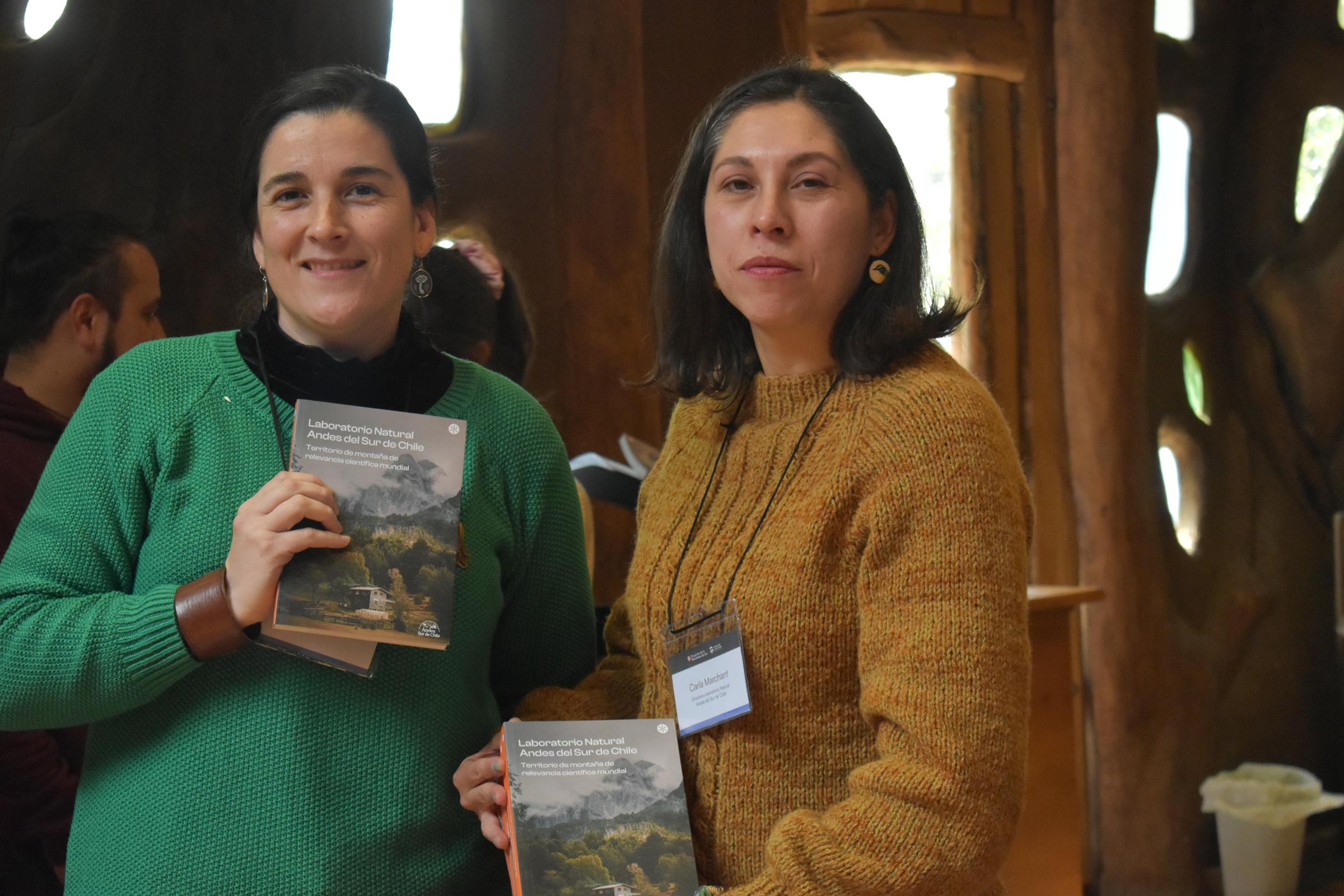
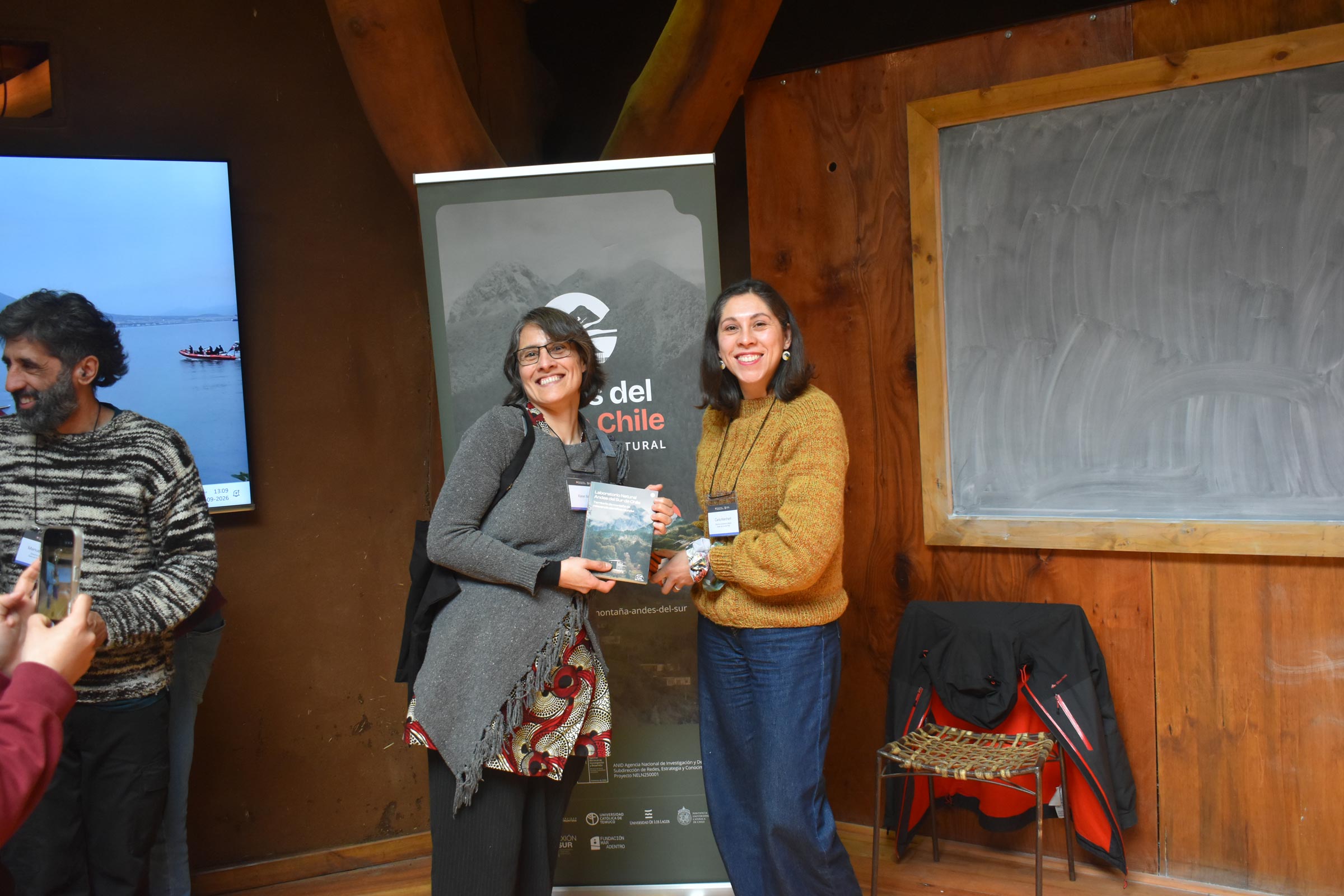
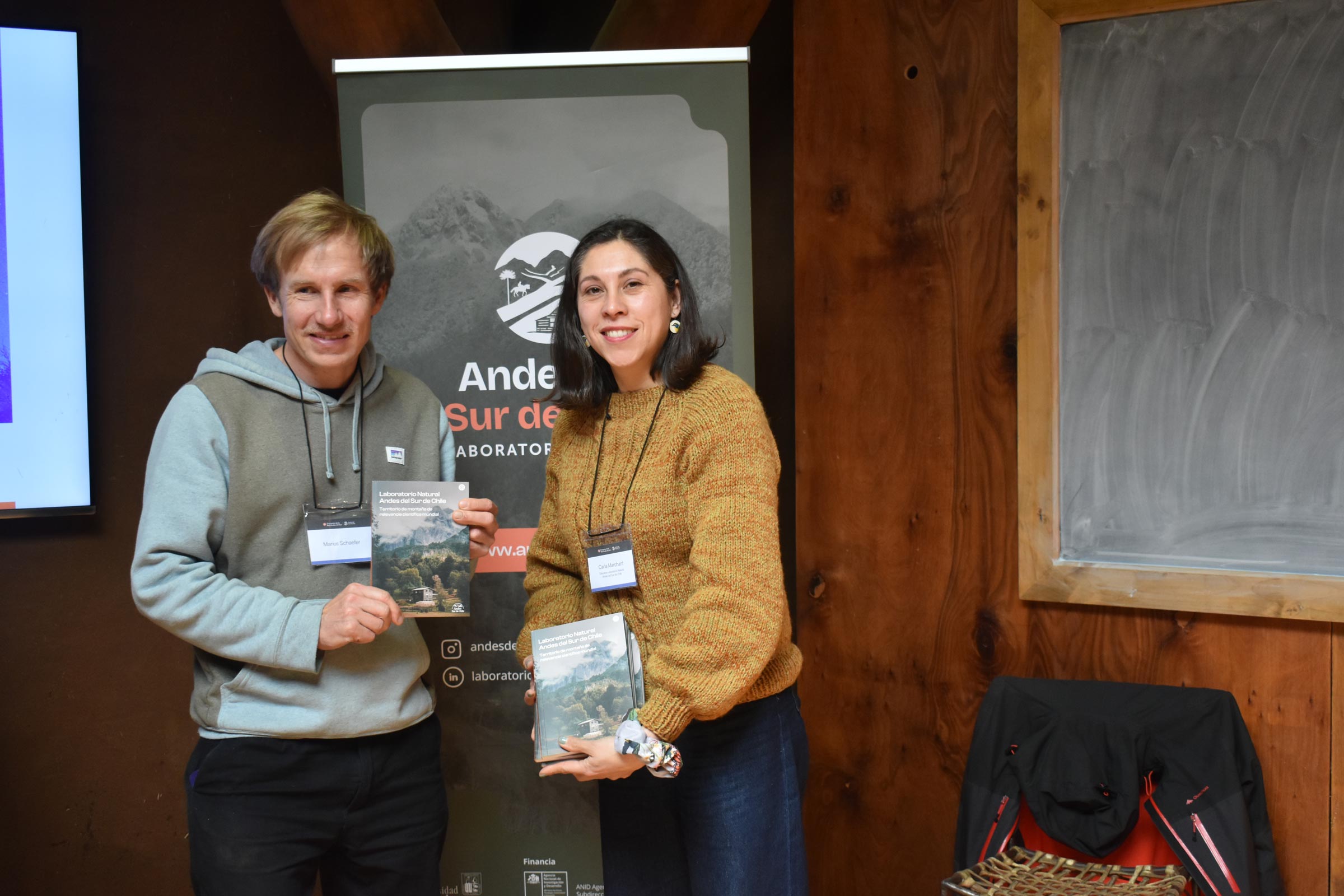
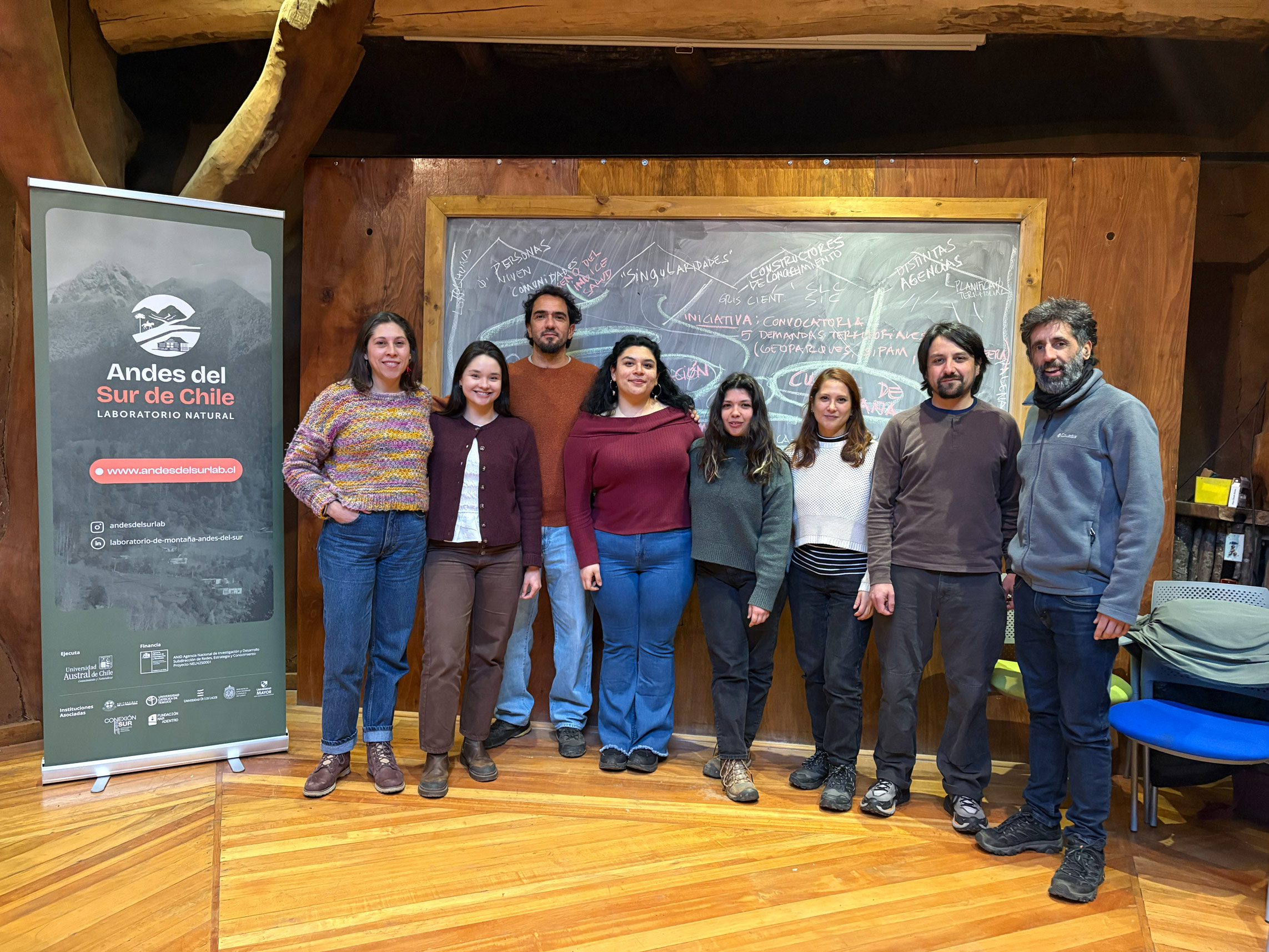
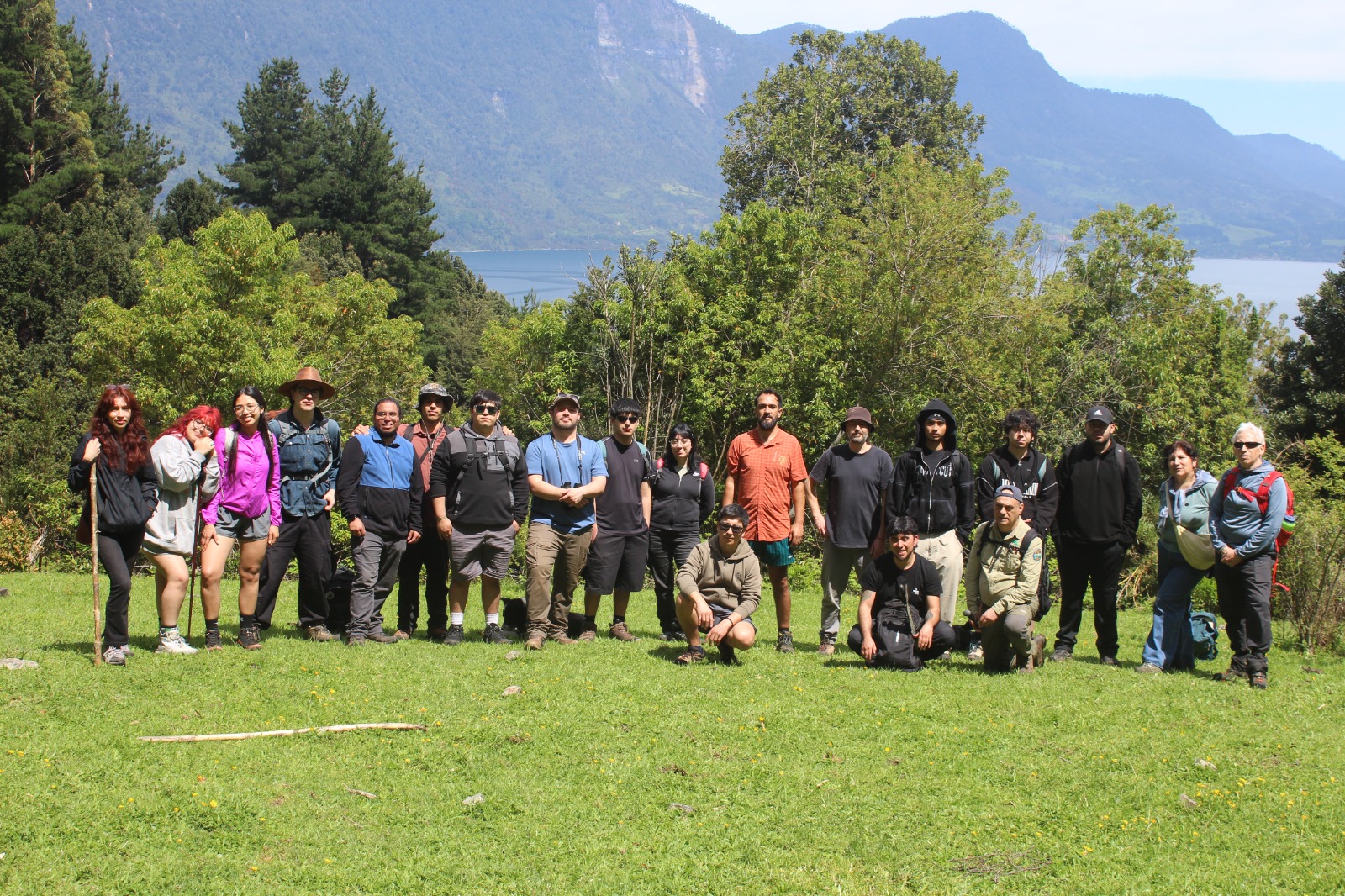
Over two days in Pucón, members of the Southern Andes ecosystem worked on updating their roadmap and designing new tools to connect scientific knowledge, territorial needs and decision-making.
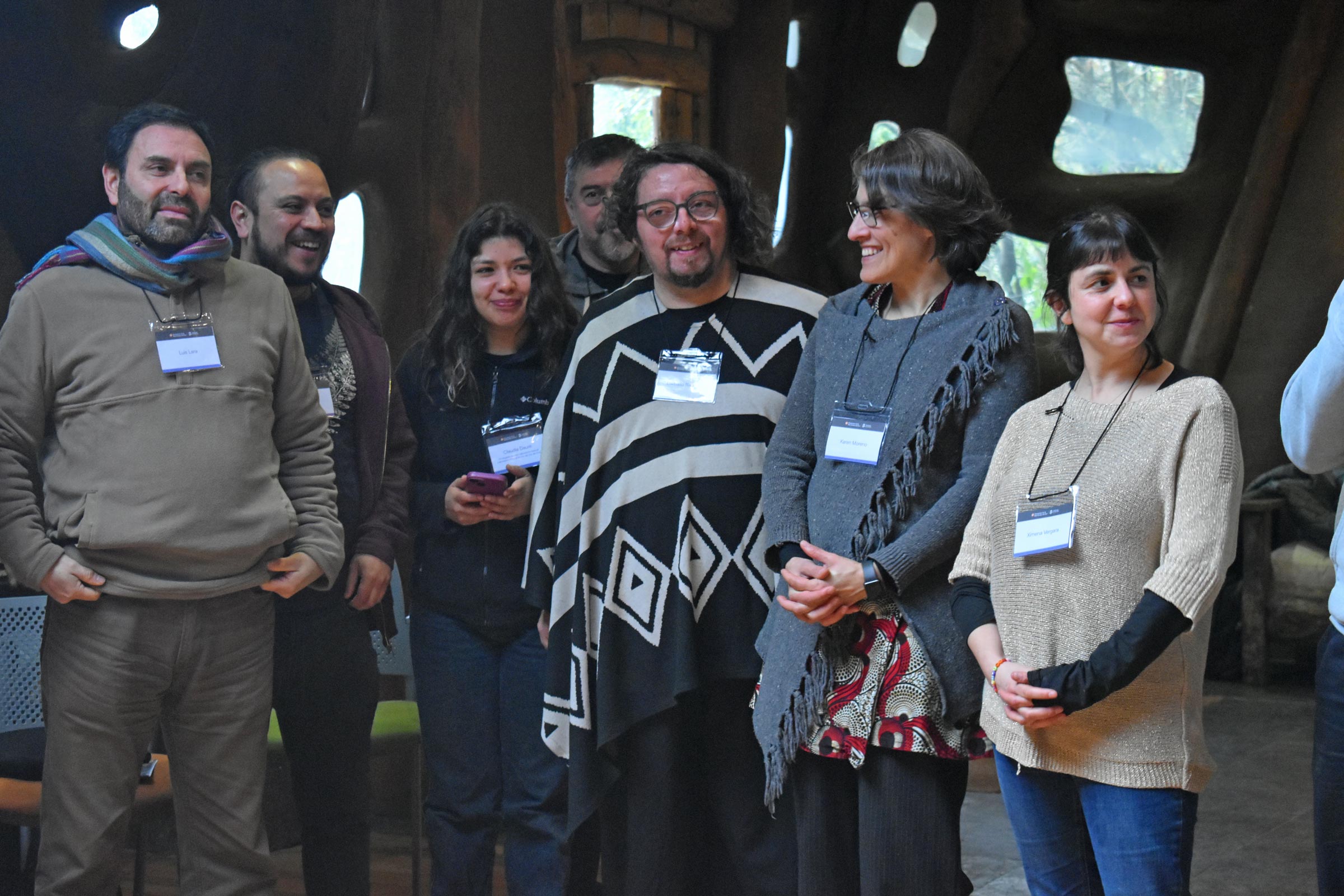
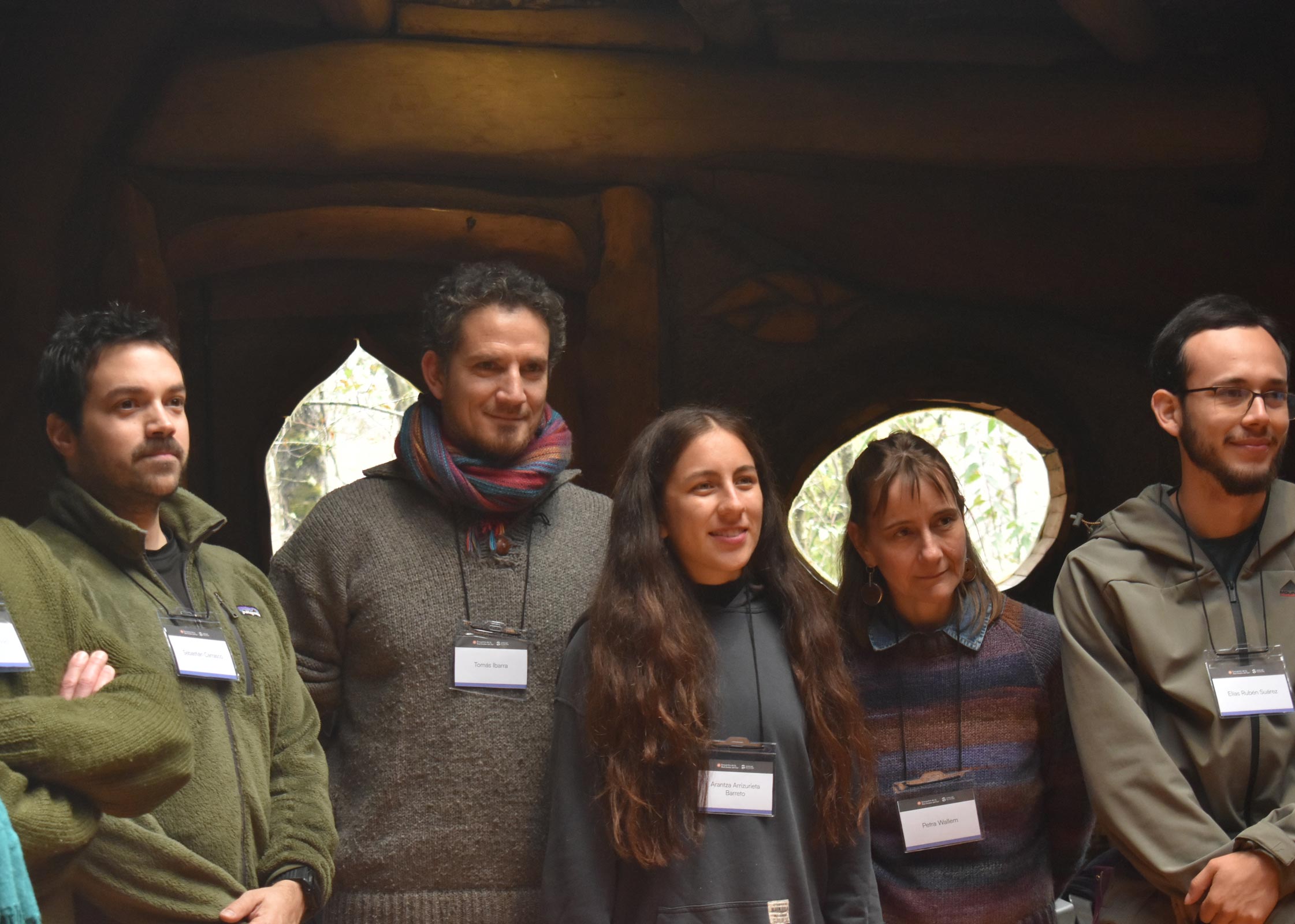
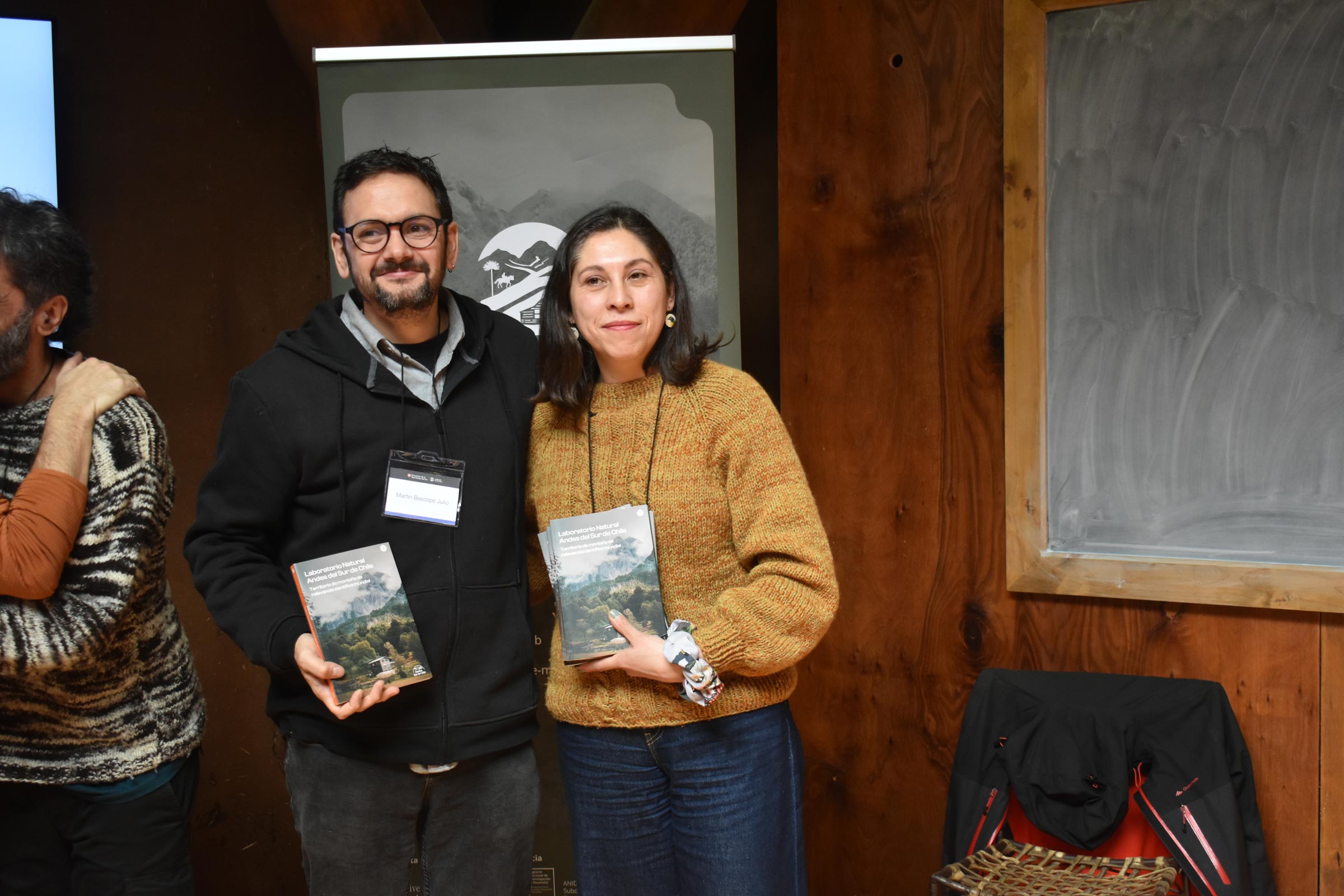
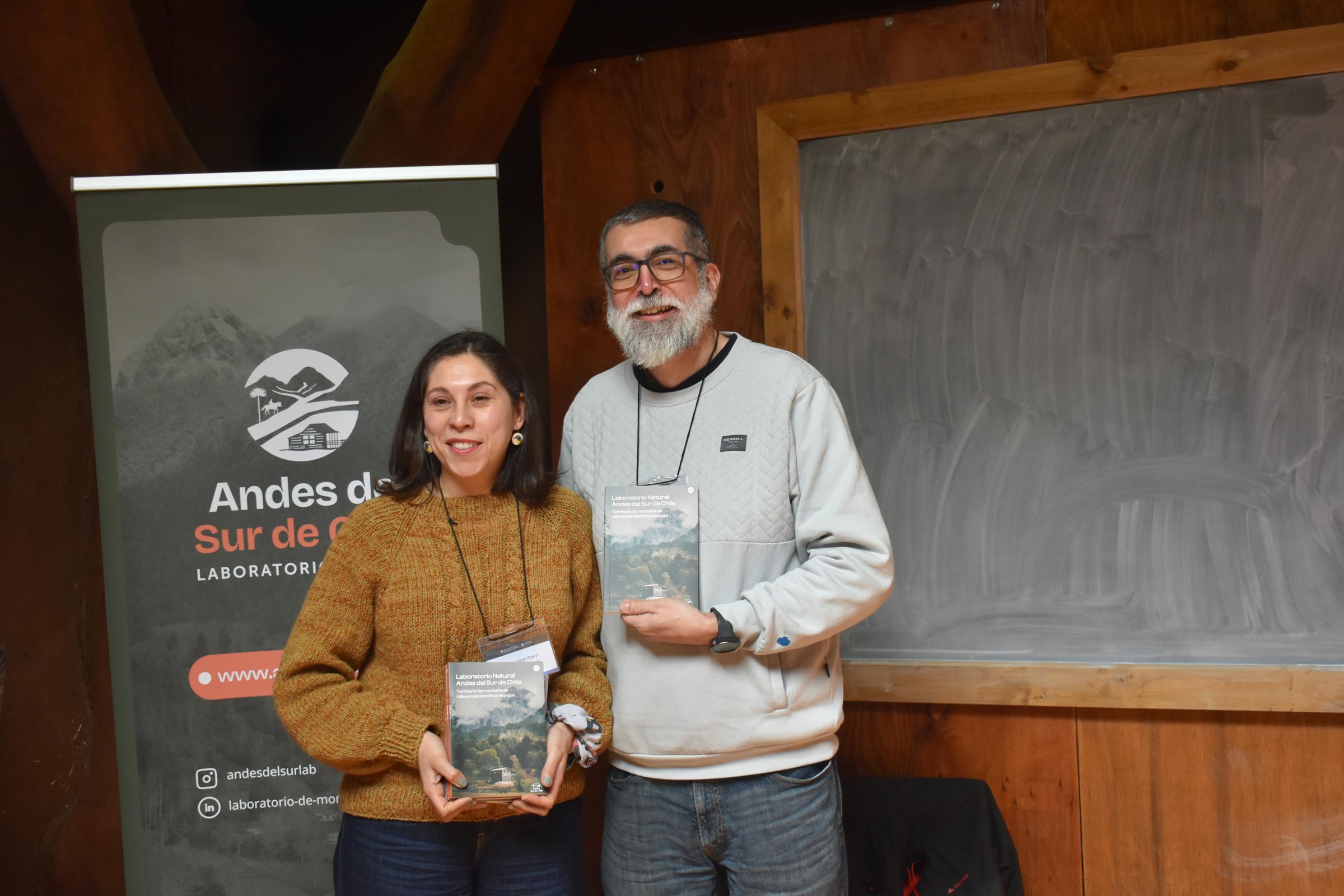
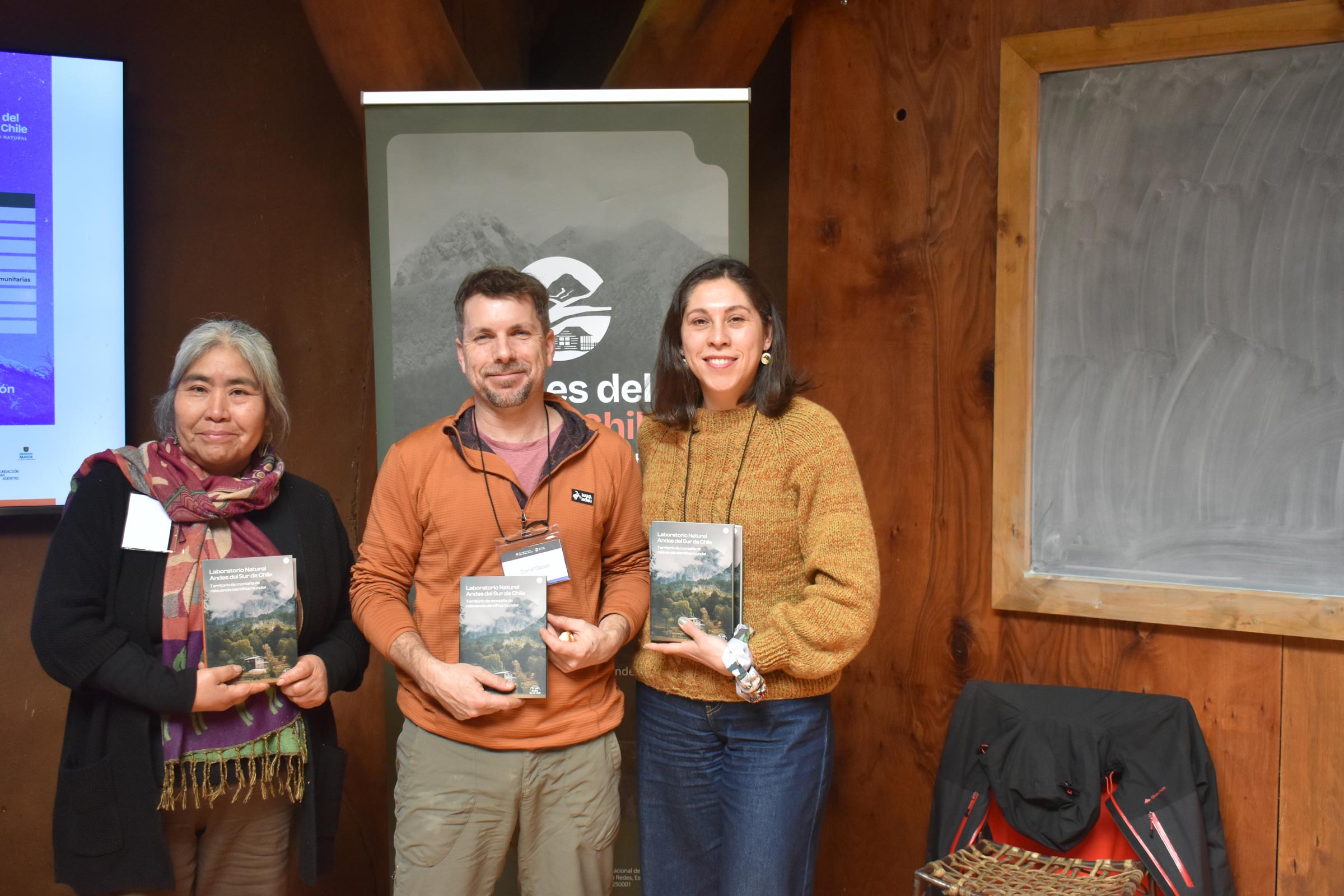
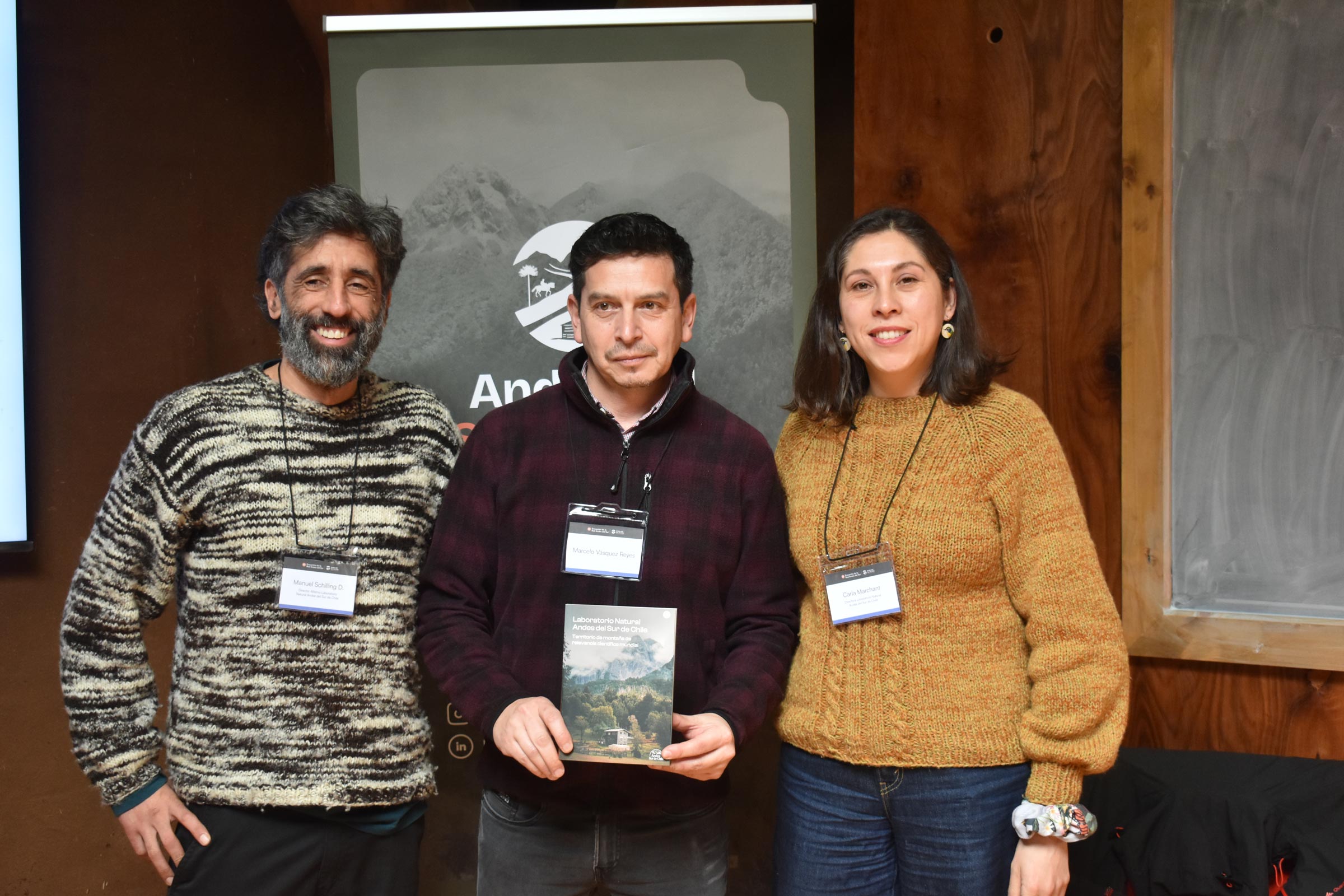
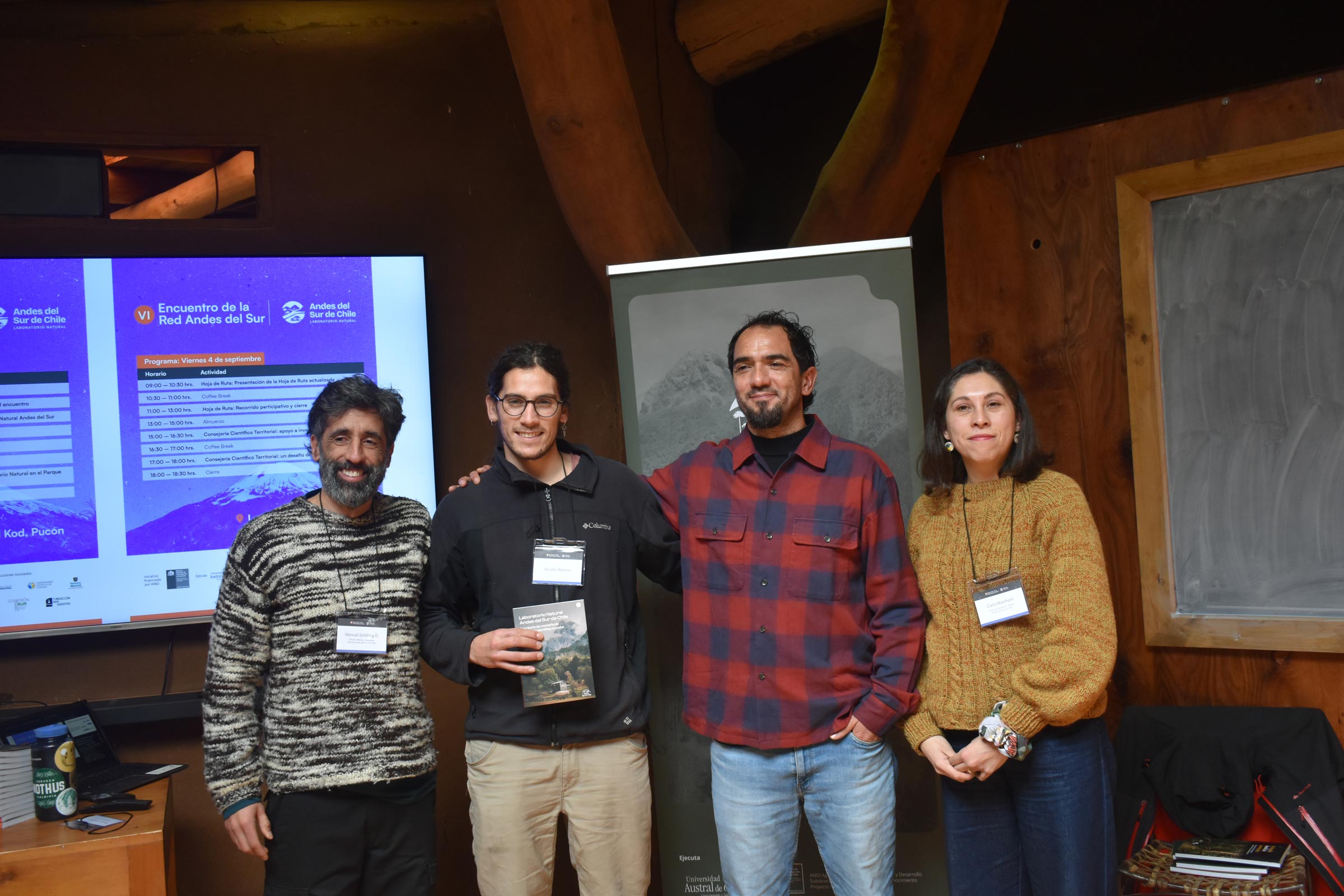
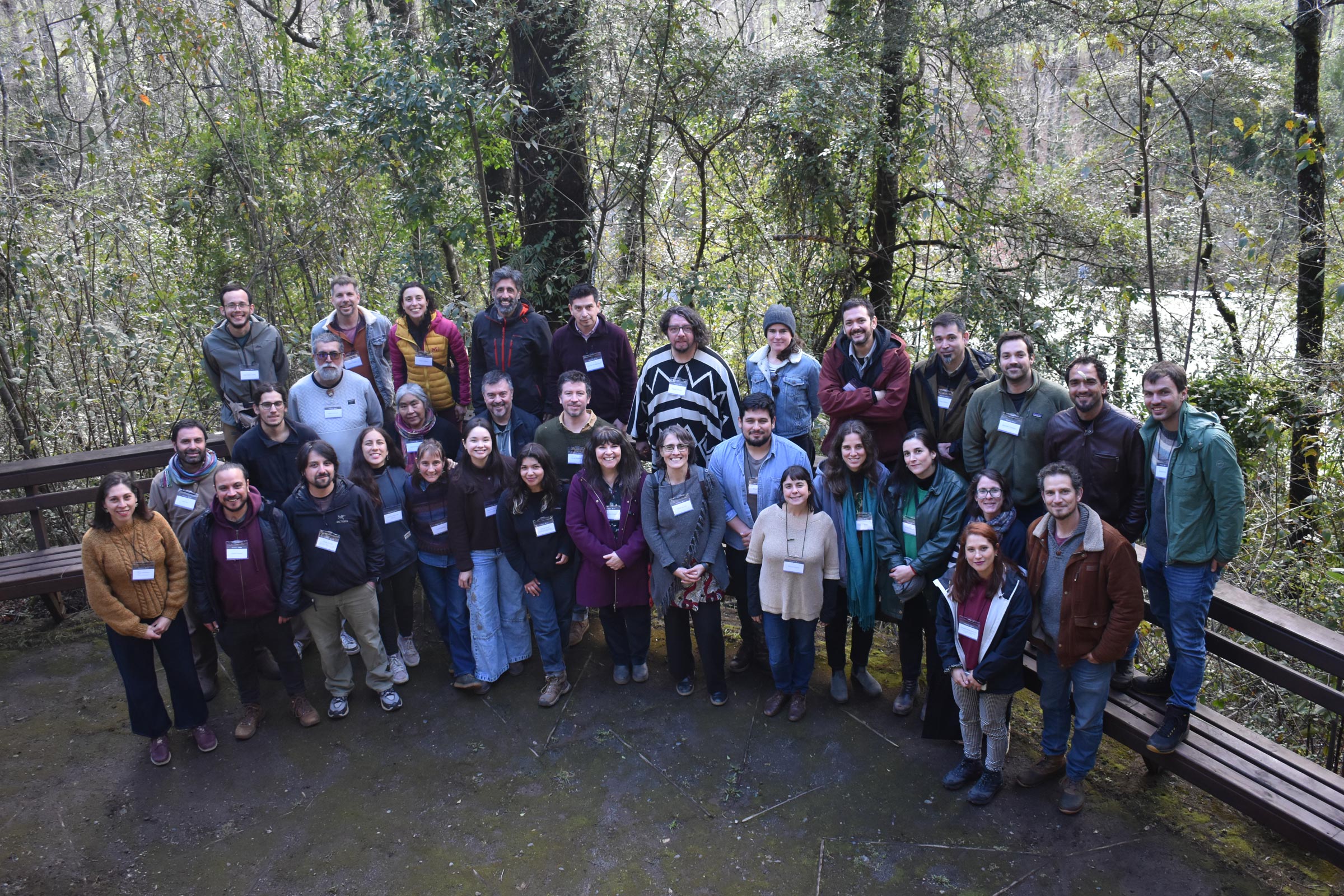
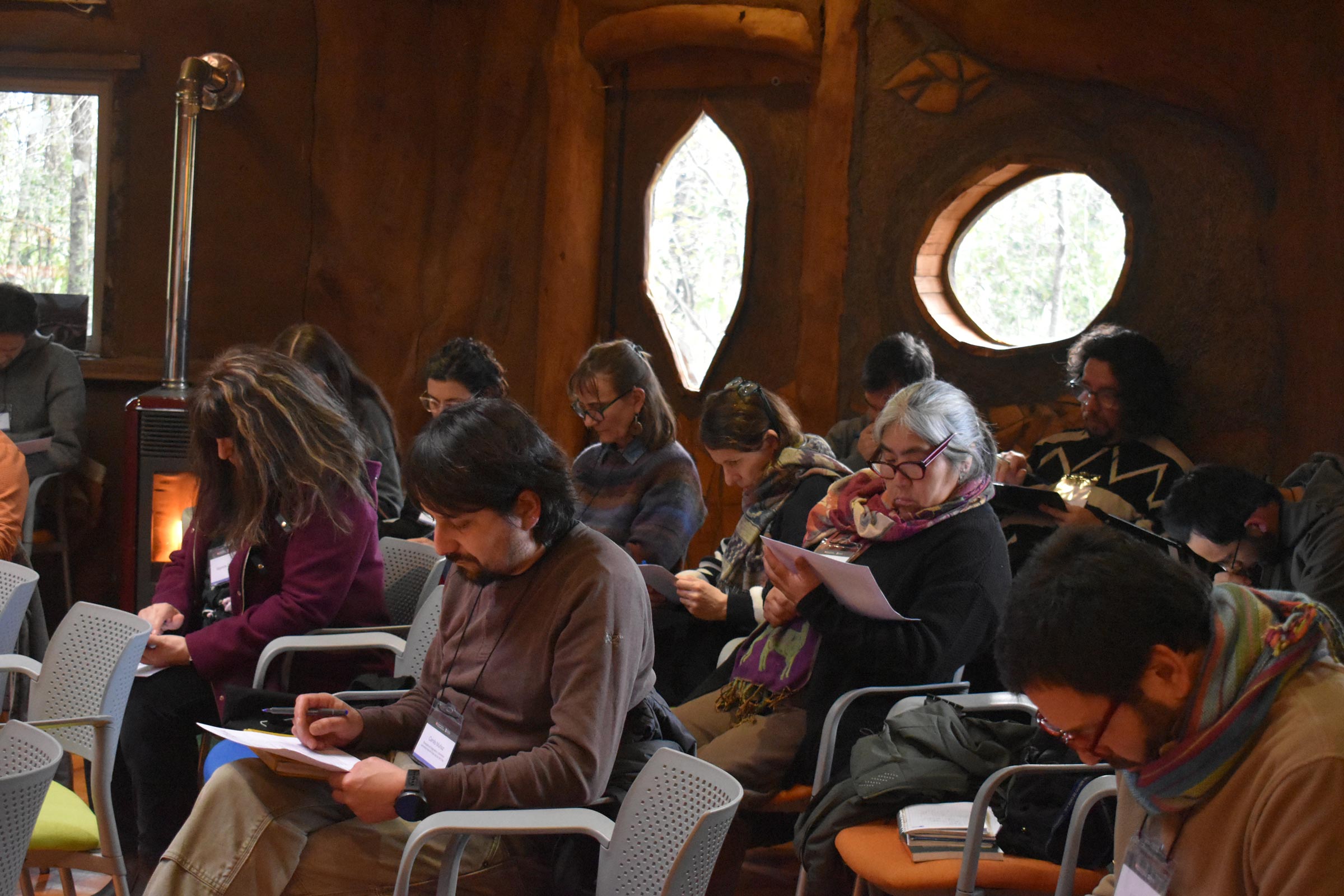
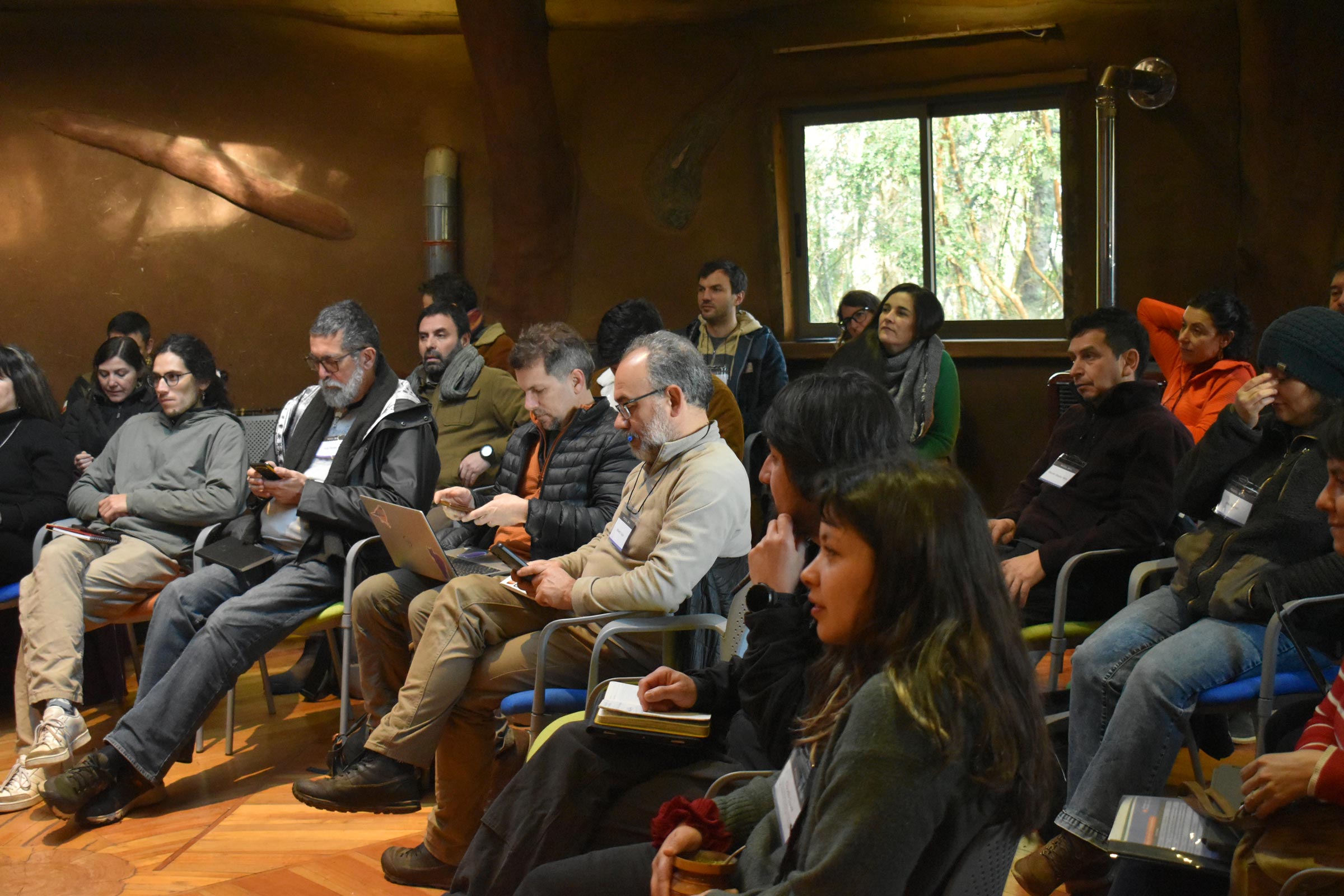
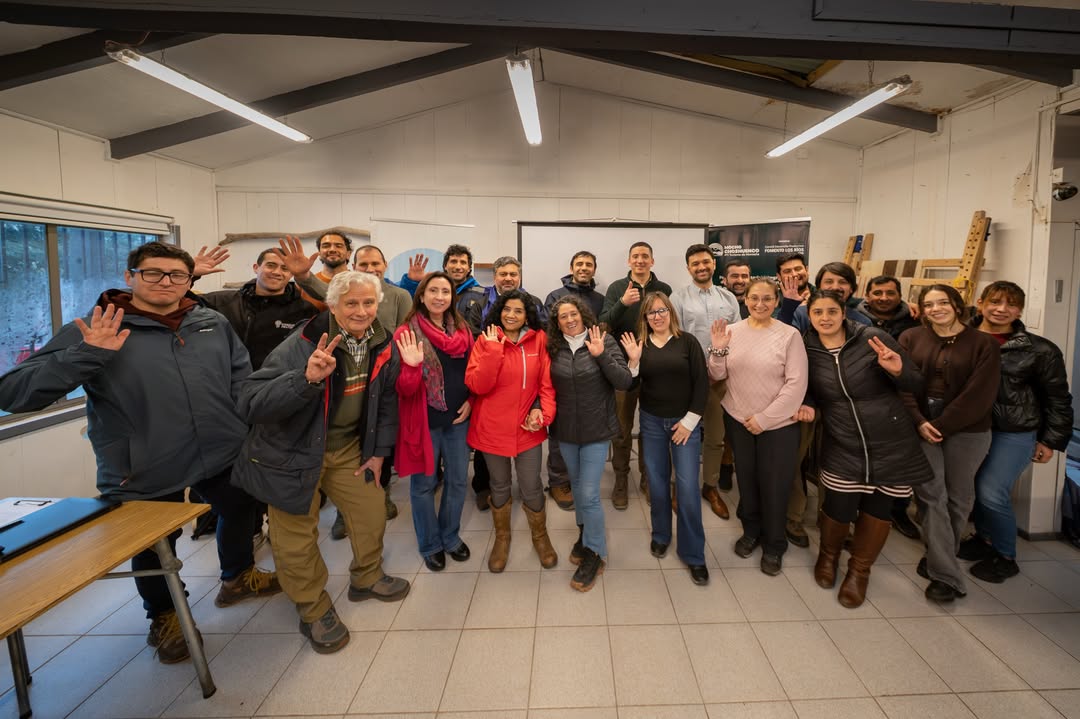
Pucón, September 2026. More than a gathering of researchers, the 6th Southern Andes Network Meeting established itself as a space for connecting the different stakeholders involved in mountain territories. Representatives of public institutions, universities, communities, territorial organizations and bodies dedicated to conservation and land management met on September 3 and 4 at Lodge Kod Kod in Pucón to advance a shared agenda for the Southern Andes of Chile.
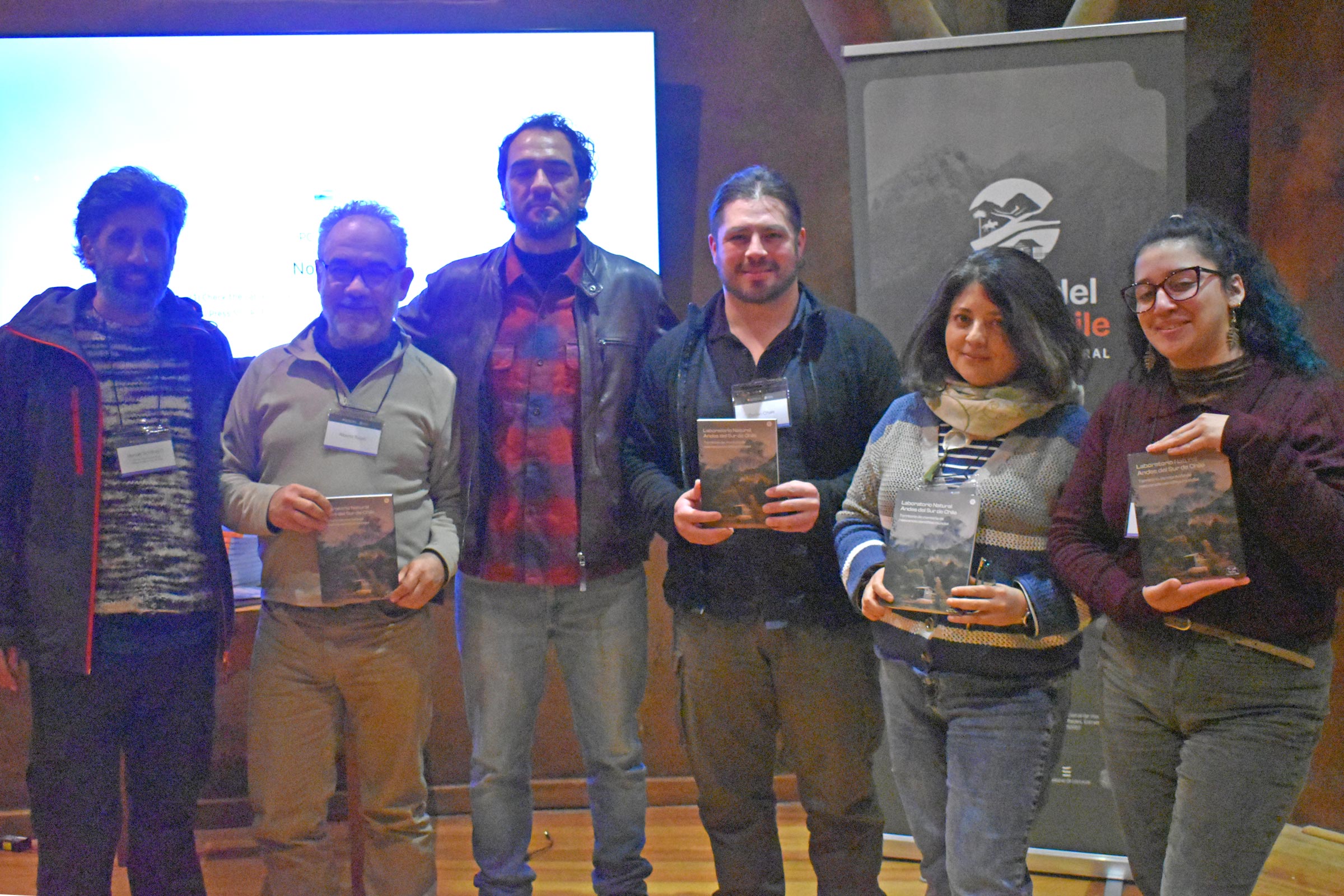
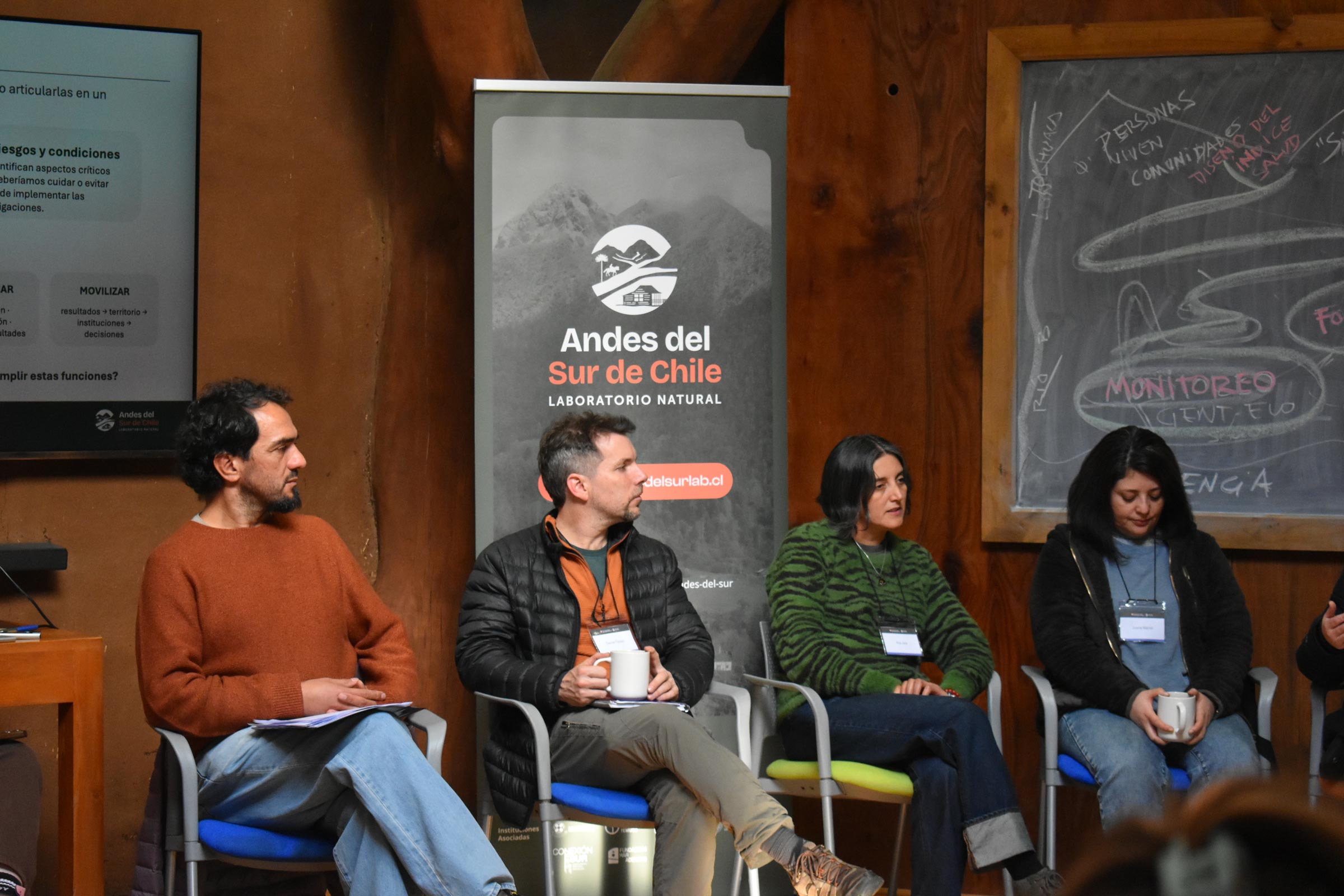
The meeting brought together representatives of the Biodiversity and Protected Areas Service (SBAP) of La Araucanía and Los Ríos, the Los Ríos Regional Government, researchers from the Southern Andes Natural Laboratory, PTI Mocho Choshuenco, Futa Mawiza, the UNESCO Chair in Mountain Heritage and Biosphere, Fundación Mar Adentro, CONAF La Araucanía, Nodo Conexión Sur and the Programa Austral Patagonia (PROAP), among other stakeholders linked to the territory.
"Working with the Laboratory at this meeting has been a very rewarding experience. As the Biodiversity and Protected Areas Service, it has allowed us to build networks and connect with initiatives that may be very valuable as the Service gets established, and that will probably help us in the future to do what we are now required to do by law: implement science-based participatory management plans and inform conservation policies beyond protected areas. I believe it is essential for the Service to be part of this network and to truly consolidate the work you have been doing so that it carries into the future," said Alberto Tacón, Regional Director of SBAP Los Ríos.
One of the meeting's main features was precisely the diversity of perspectives brought to bear on mountain challenges. The Southern Andes Network seeks to move from a community focused mainly on research toward a collaborative ecosystem where scientific, institutional, territorial and community capacities converge. This approach is directly linked to the goal of strengthening the territorial impact of knowledge and generating relevant responses to the needs of mountain territories.
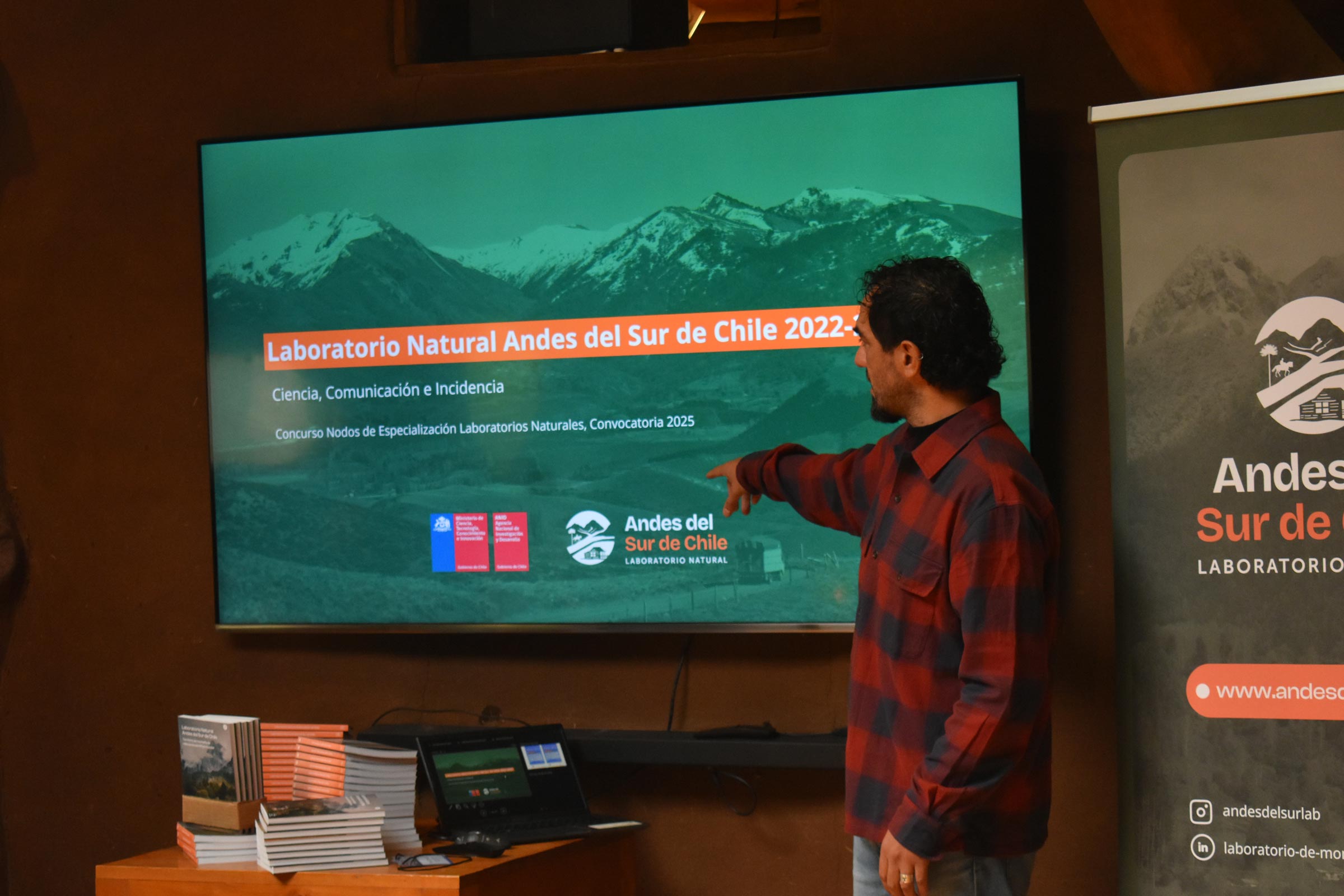
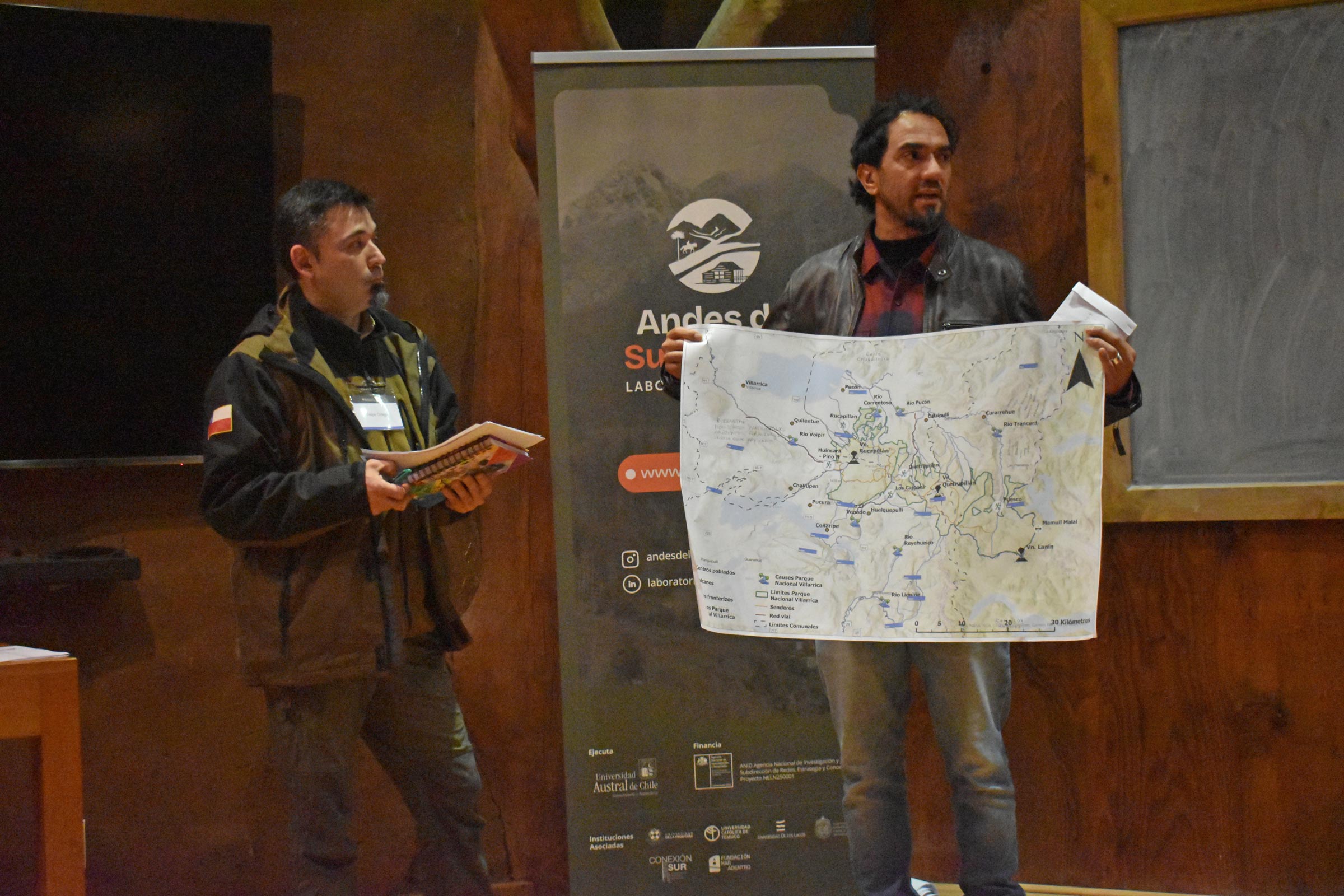
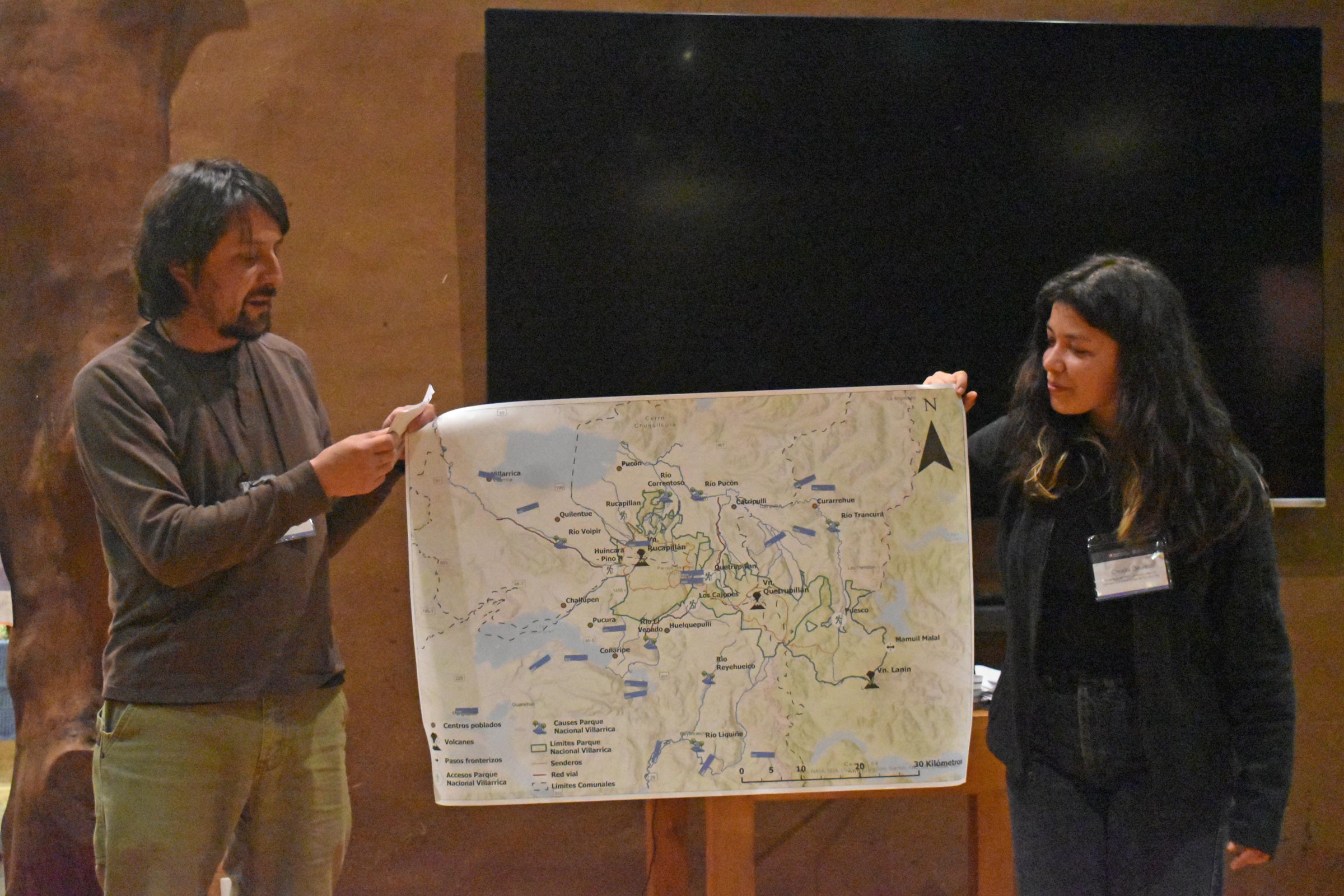
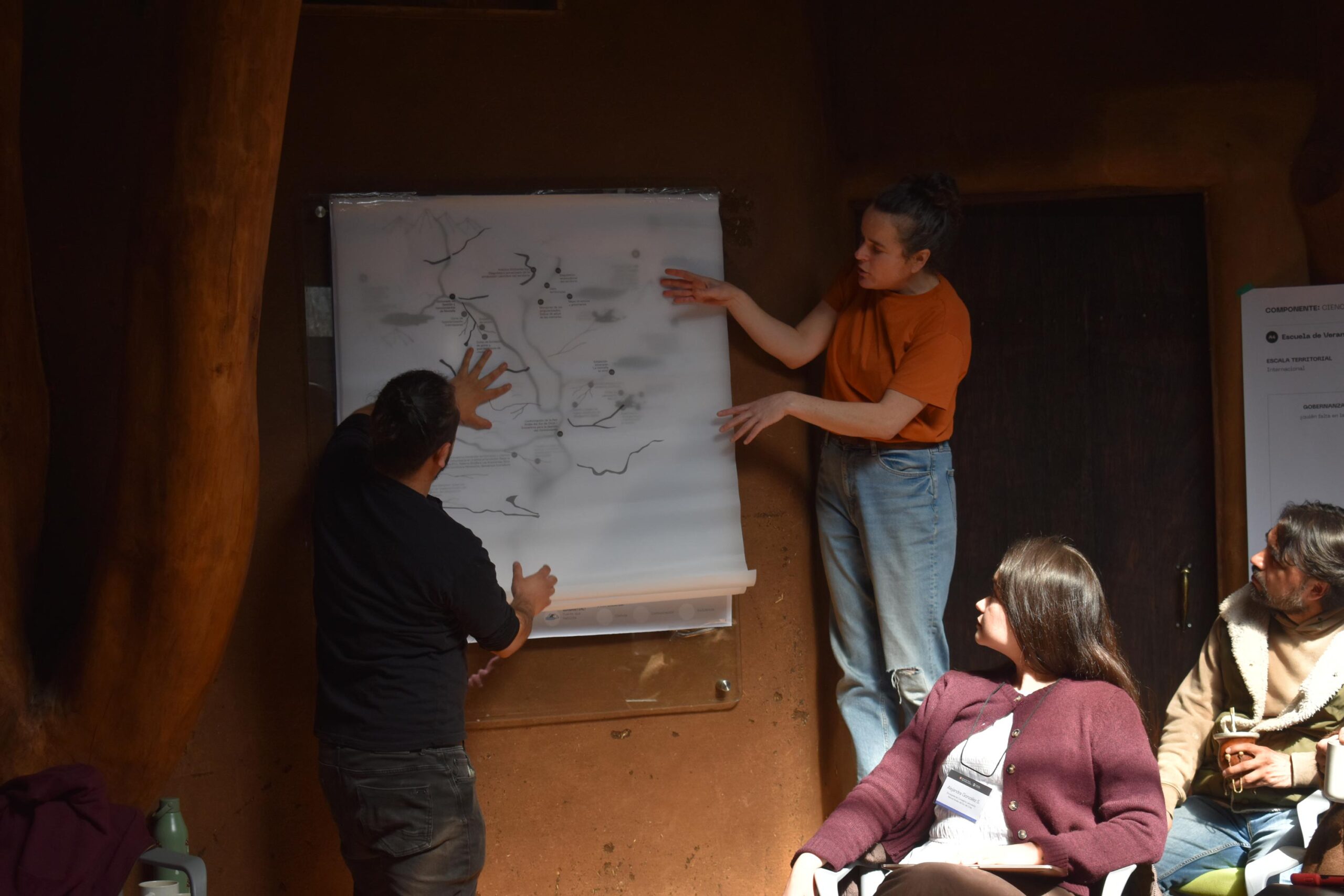
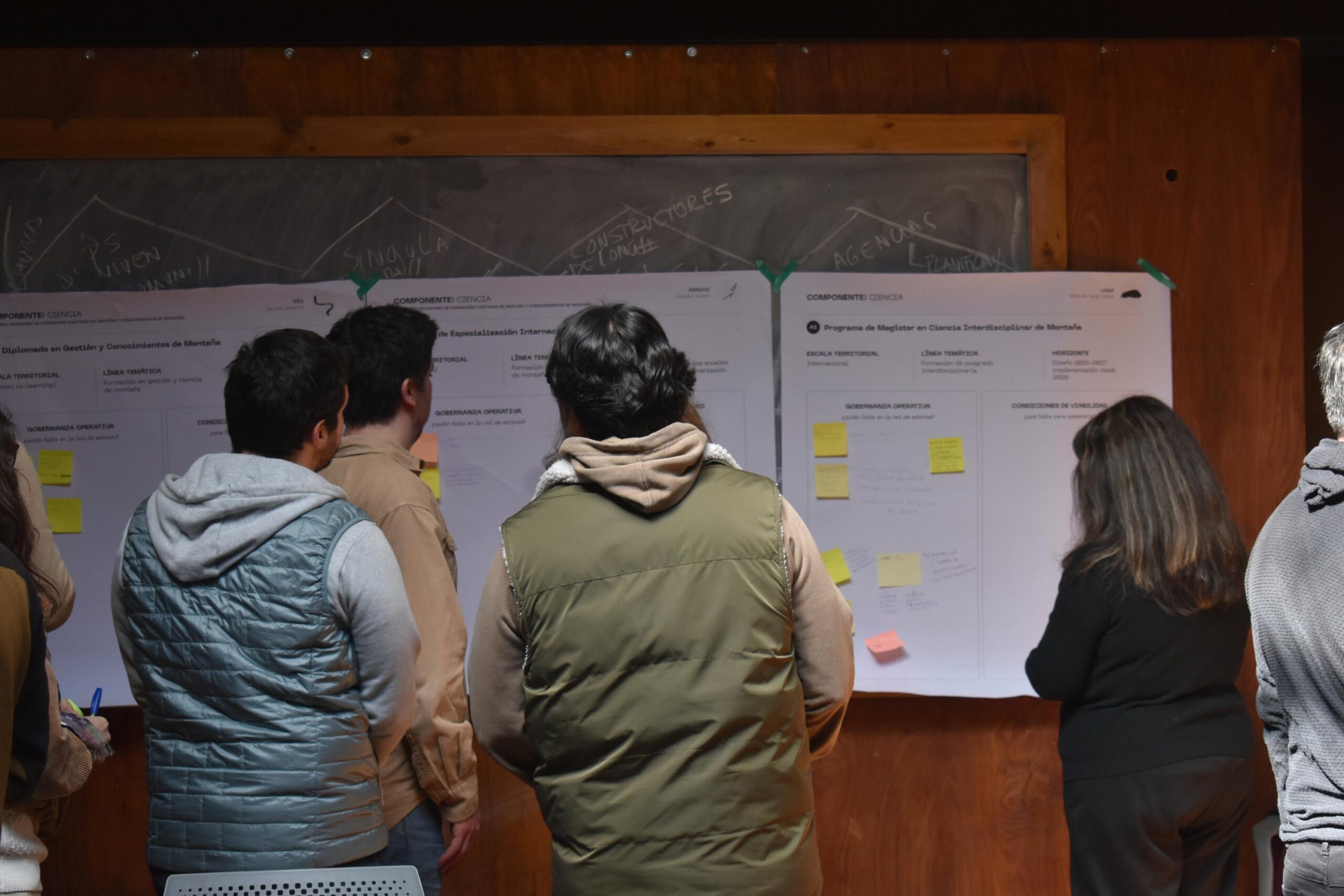
The first day covered the status of the Southern Andes Natural Laboratory project, the Mountain Health Index and the implementation of the Natural Laboratory model in Villarrica National Park. In that session, participants mapped initiatives in the territory, identifying projects, programs and practices related to the park and its surroundings, along with the stakeholders behind them, their areas of action and how they connect. The initiatives were organized into four dimensions: know, connect, care and drive.
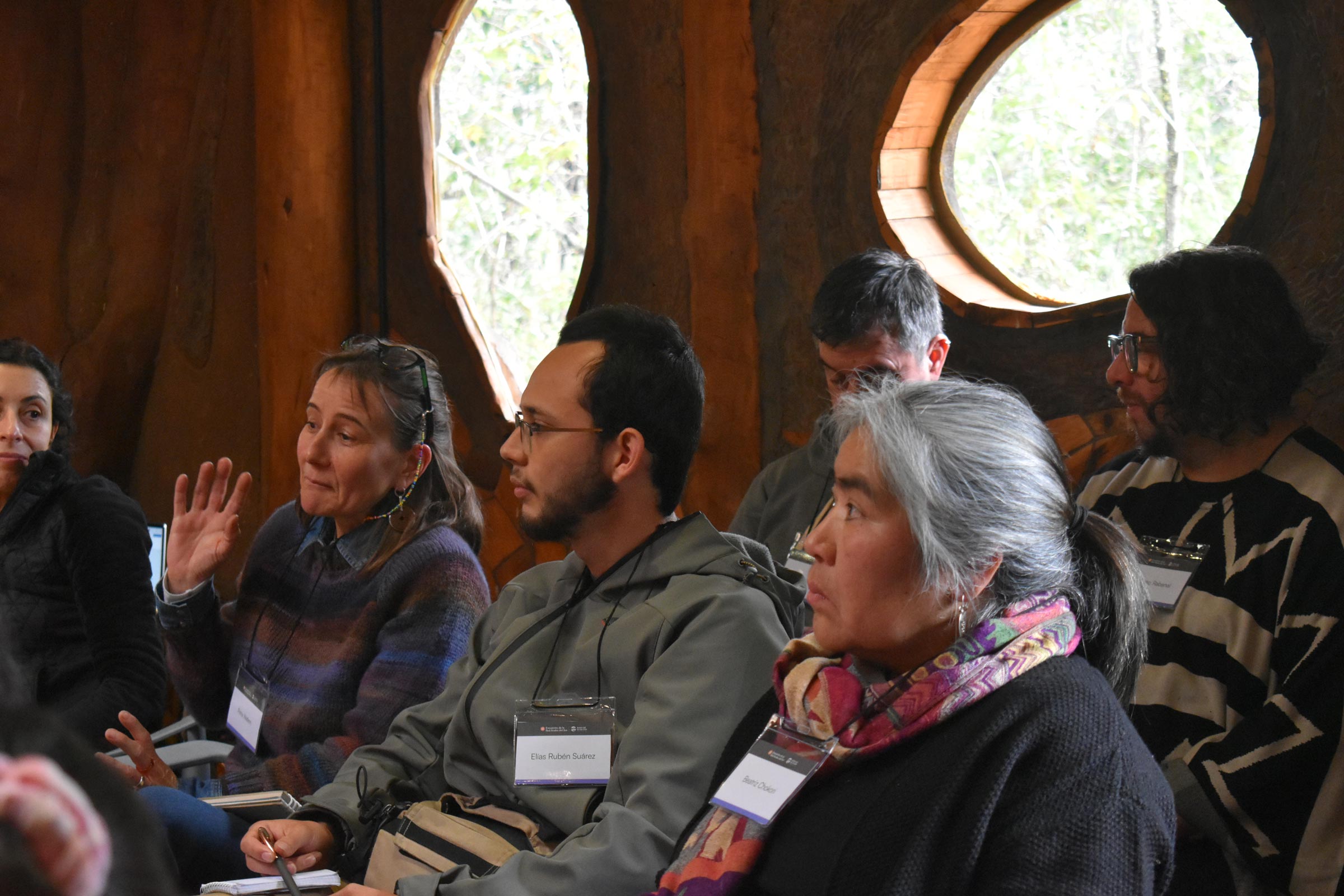
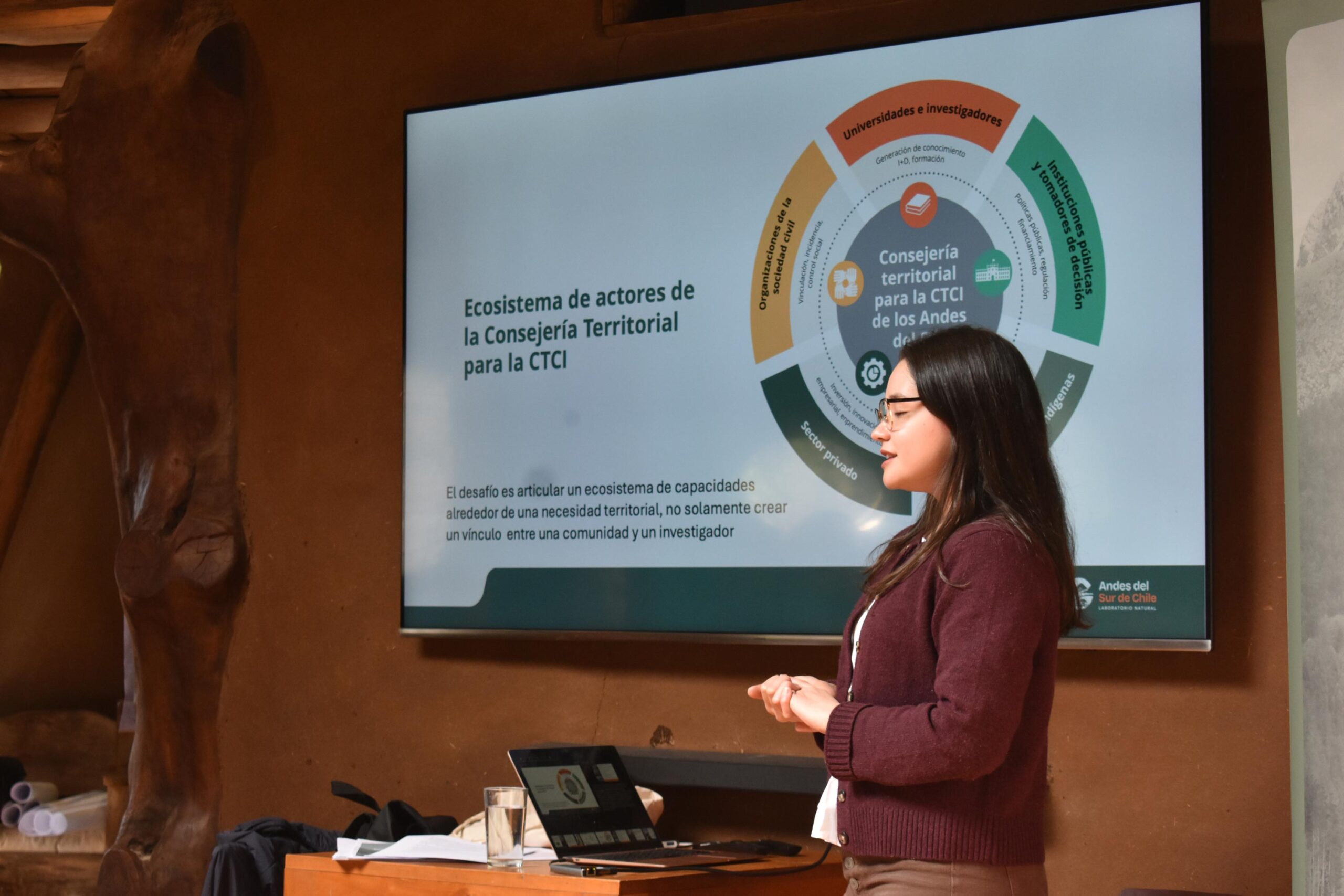
Work continued on the second day with a participatory update of the Roadmap and workshops related to the Territorial Council for Science, Technology, Knowledge and Innovation (STKI). This initiative seeks to match the knowledge needs of mountain communities with the scientific capacities available in the Southern Andes ecosystem.
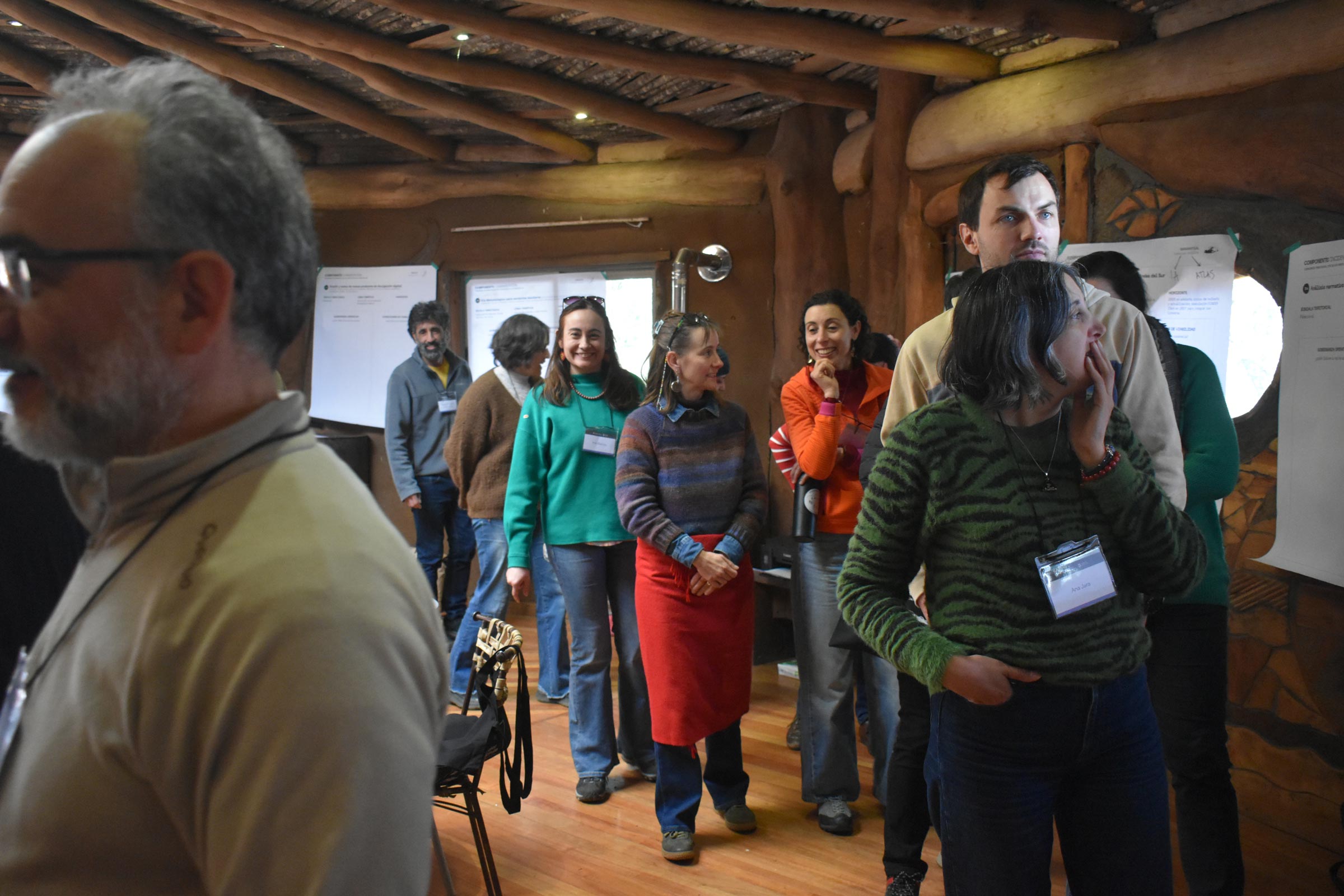
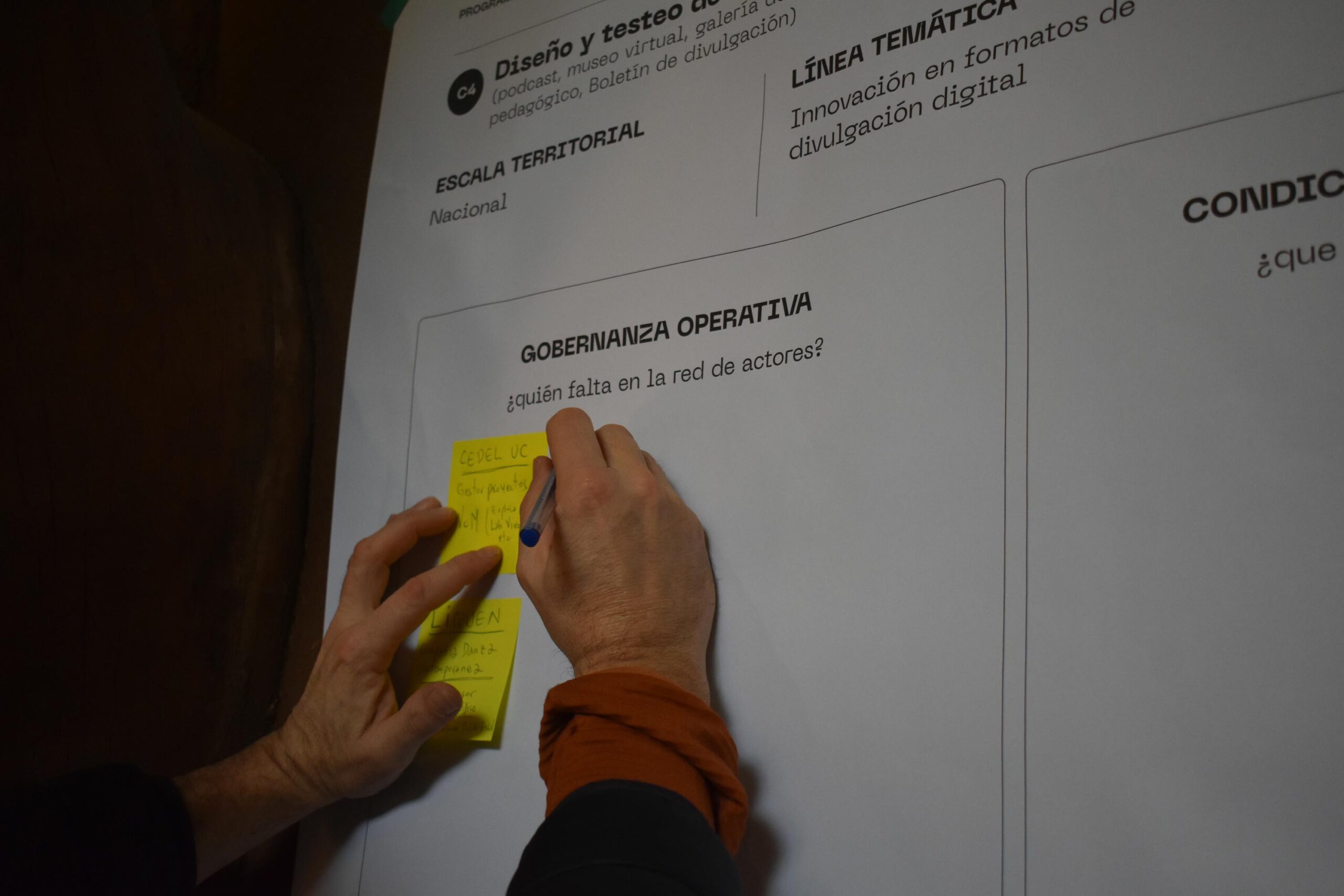
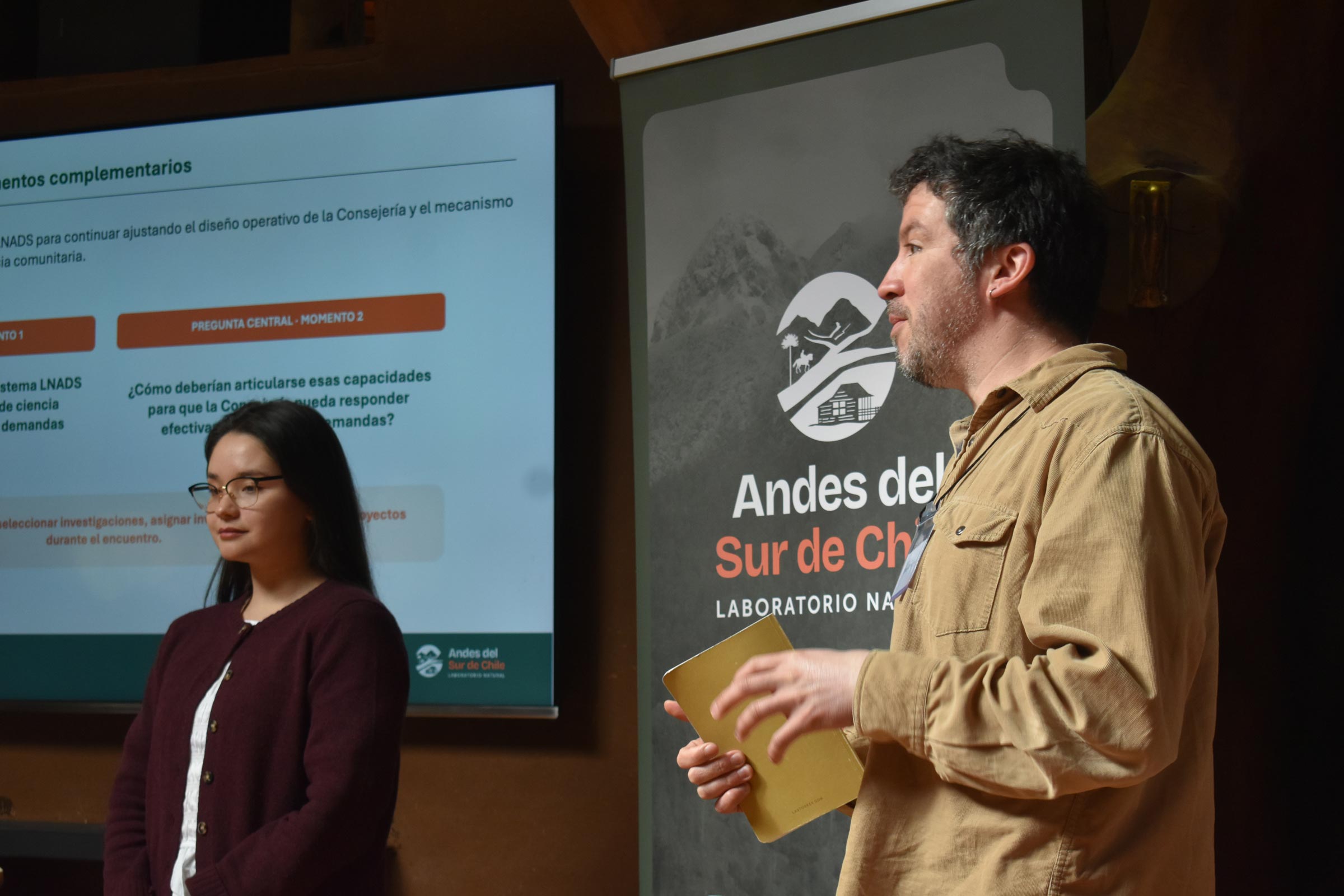
The STKI Territorial Council proposes a model based on community science, in which research questions arise from concrete needs in the territory and are developed through co-creation among communities, researchers, students and institutions. During the meeting, working groups discussed the capacities available in the network, the conditions needed to connect them and the gaps that still need to be addressed. The process involves five functions: translating, connecting, supporting, accompanying and mobilizing knowledge.
For Patricio Contreras, Executive Coordinator of the Southern Andes Natural Laboratory, the meeting marks an important moment in the project's consolidation: "About 50 members of the Natural Laboratory network have come together to carry out participatory work to update the roadmap." In this new stage, he explained, the diversity of stakeholders makes it possible to refine actions according to the specific interests and priorities of each territory in southern Chile.
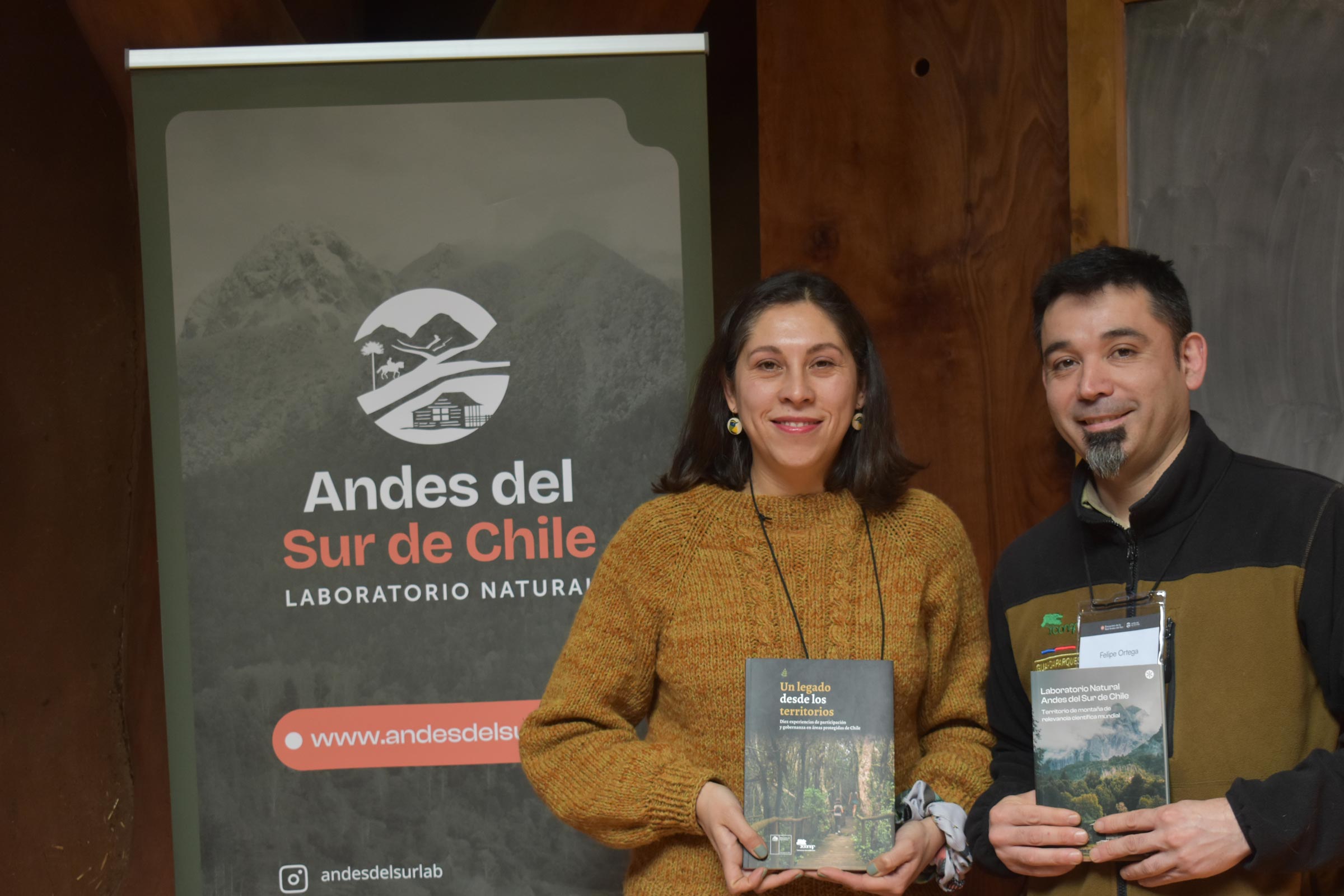
Villarrica National Park is one of the places where this coordination is especially important. Felipe Ortega, the park's administrator, emphasized that having information from different disciplines and forms of knowledge is essential to support decision-making in a territory that spans two regions and has natural, cultural and geological dimensions. "They certainly help us manage our territory and our national parks better," he said.
The meeting thus marks a new moment for the Southern Andes Network: a network that not only connects research capacities but also seeks to create the conditions for knowledge to engage with communities, public institutions and decision-makers. This approach will support further progress toward greater consolidation and territorial impact during the project's third stage, which runs until March 2028.
With this 6th Meeting, the Southern Andes Network reaffirms its commitment to building knowledge collaboratively, recognizing that mountain challenges require integrating science, institutions, communities and territorial knowledge to move toward more sustainable and relevant management of these territories.