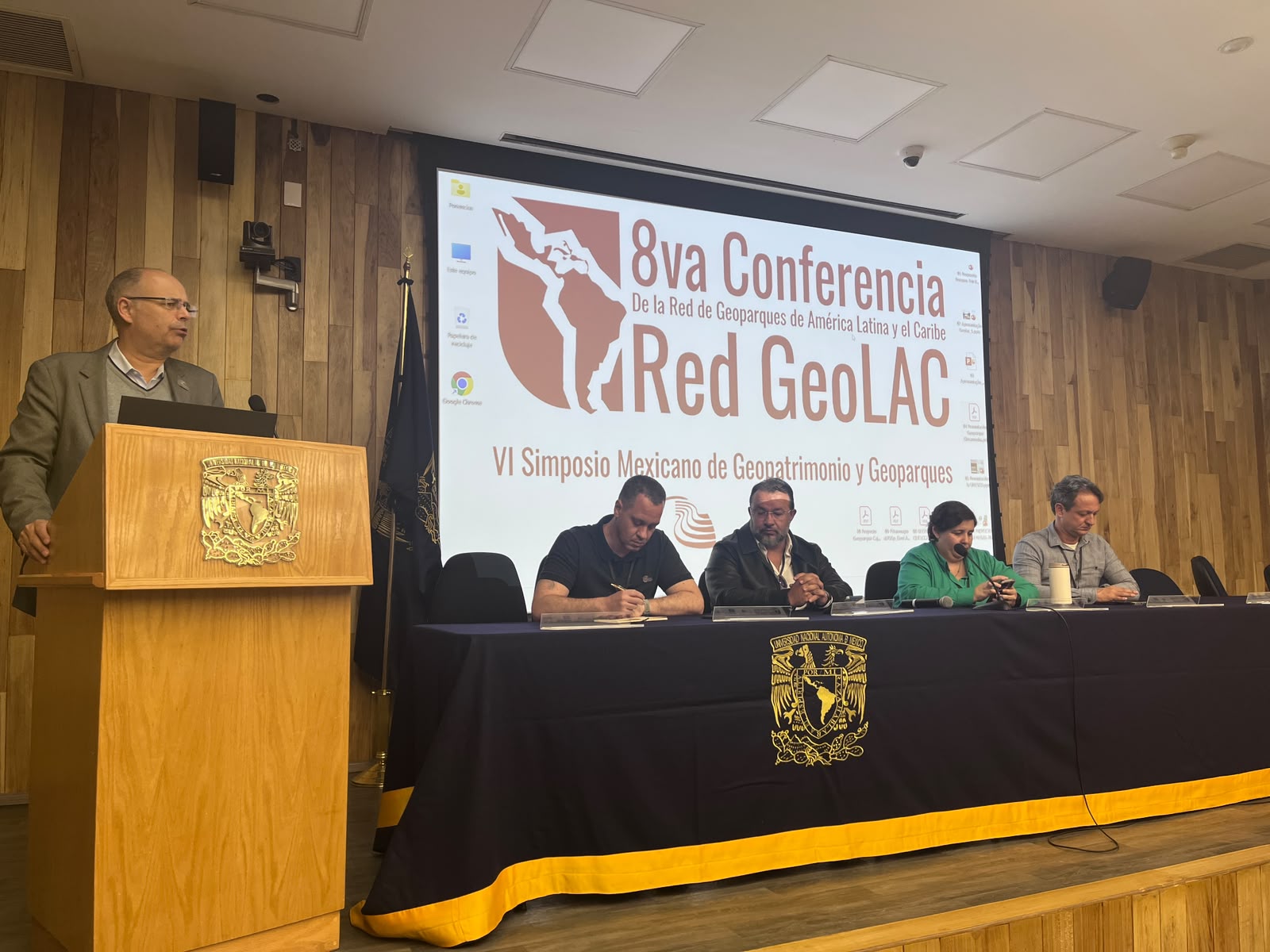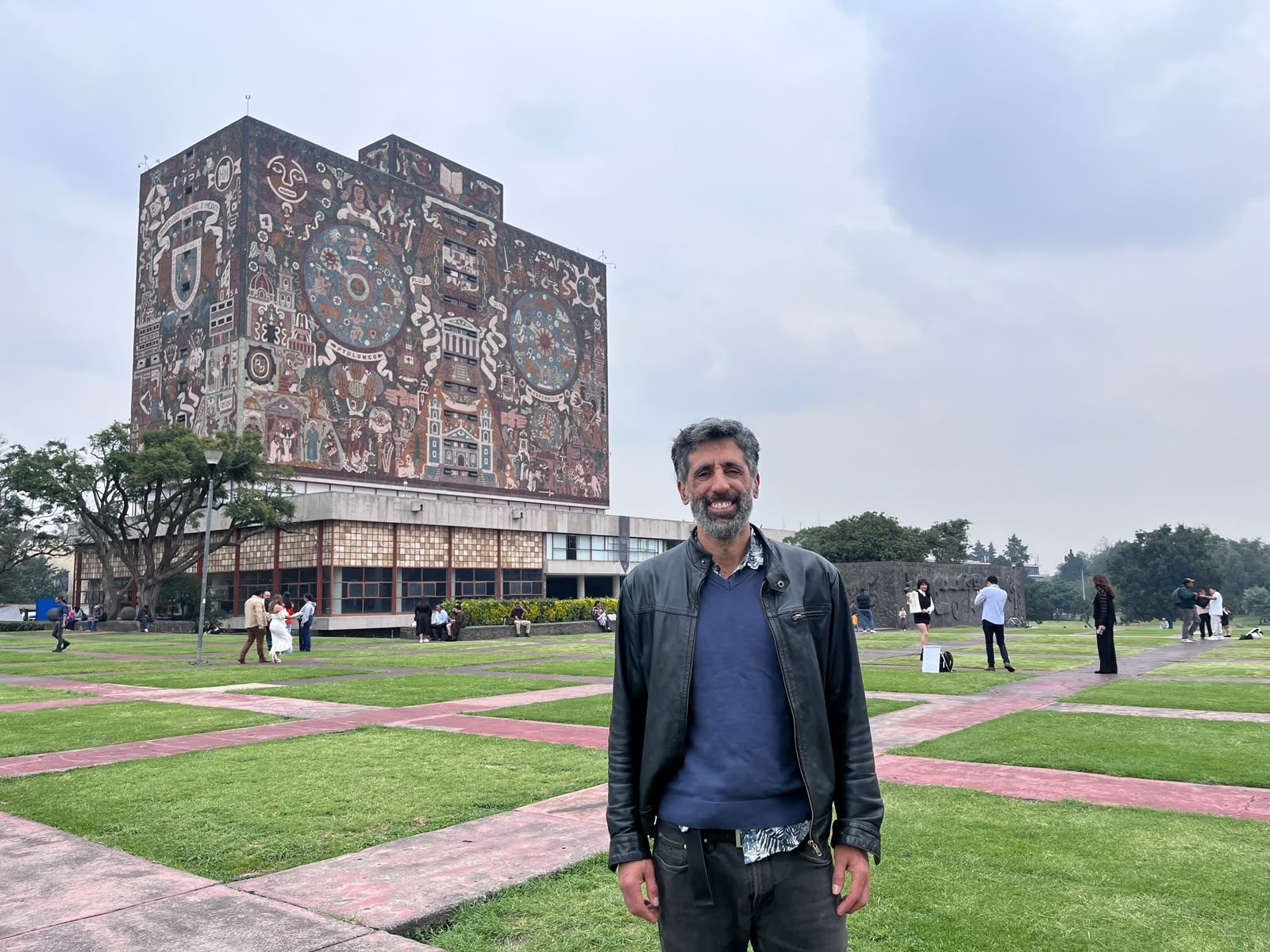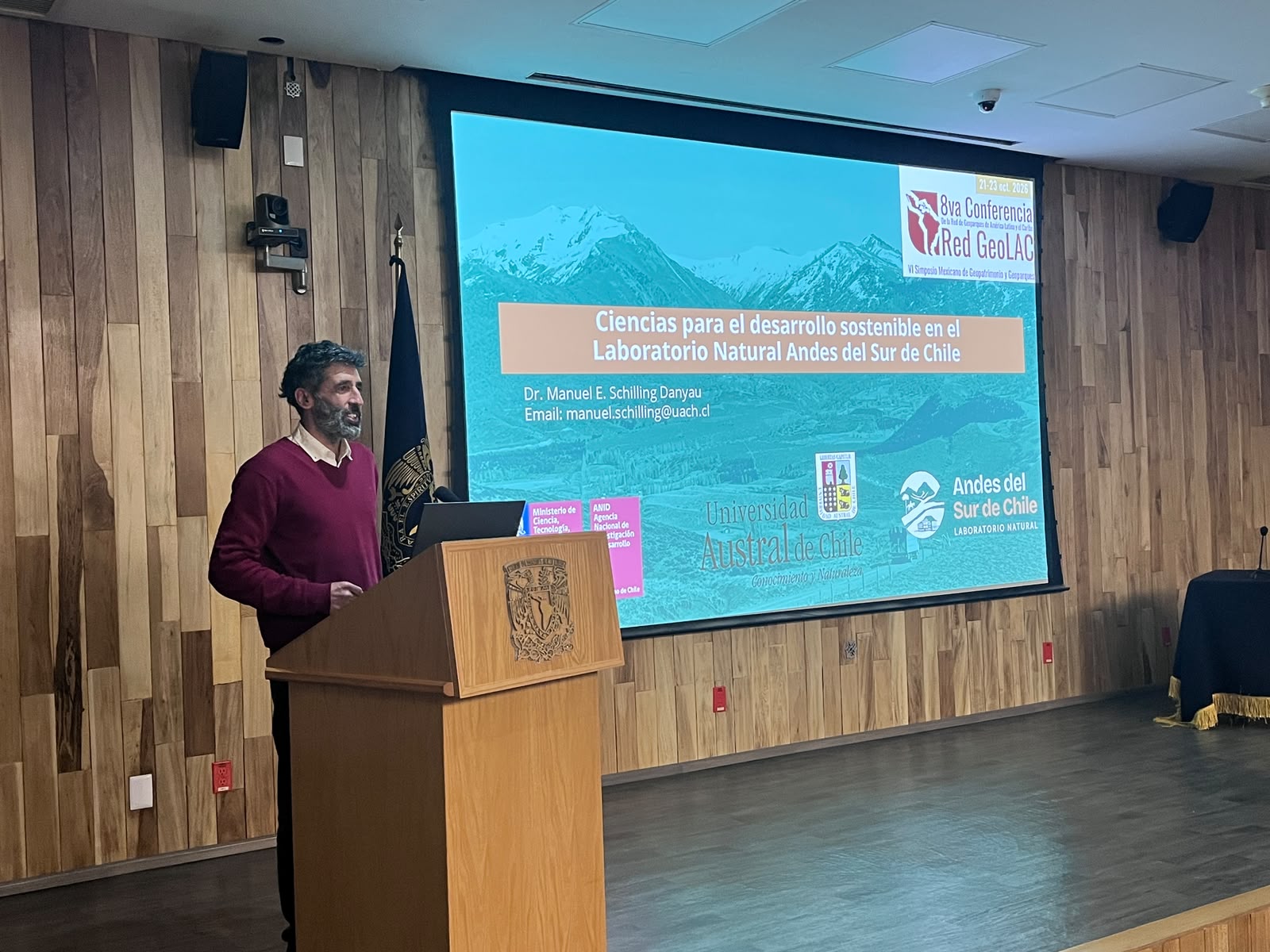
Dr. Manuel Schilling took part in the 8th Conference of the Latin American and Caribbean Geoparks Network, held in Mexico City alongside the 6th Mexican Symposium on Geoheritage and Geoparks. At the meeting, he presented an experience of linking science and sustainable development in mountain territories.
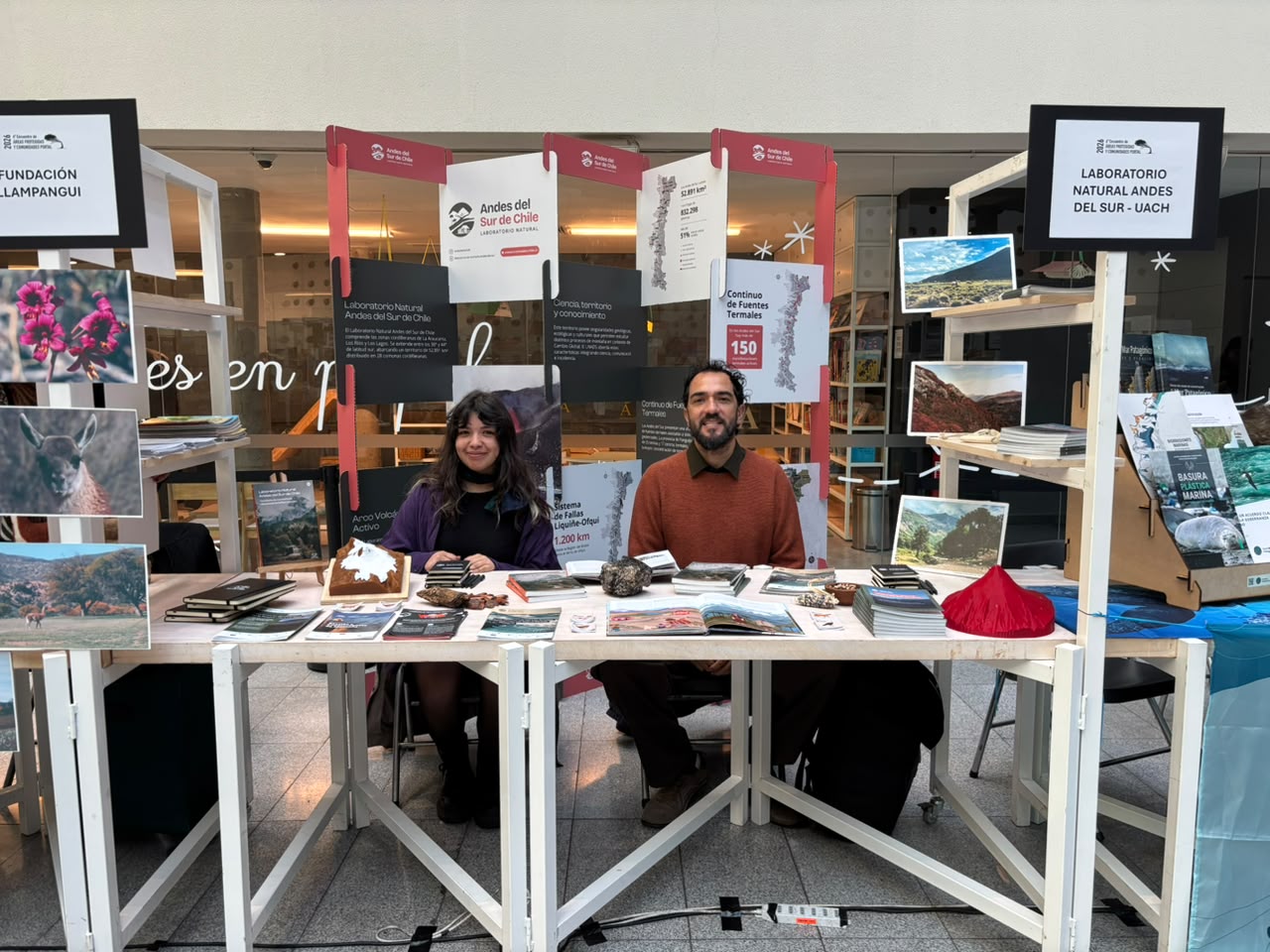
Connecting scientific research with the challenges faced by mountain communities is one of the goals of the Southern Andes of Chile Natural Laboratory. This experience was part of the work that Dr. Manuel Schilling, the Laboratory's Alternate Director, presented at the 8th Conference of the Latin American and Caribbean Geoparks Network, held in Mexico City alongside the 6th Mexican Symposium on Geoheritage and Geoparks.
The presentation, titled "Science for Sustainable Development in the Southern Andes of Chile Natural Laboratory", addressed efforts to connect research with the challenges facing communities in the La Araucanía, Los Ríos and Los Lagos regions. Topics included geological hazards and climate change, both key issues for mountain territories.
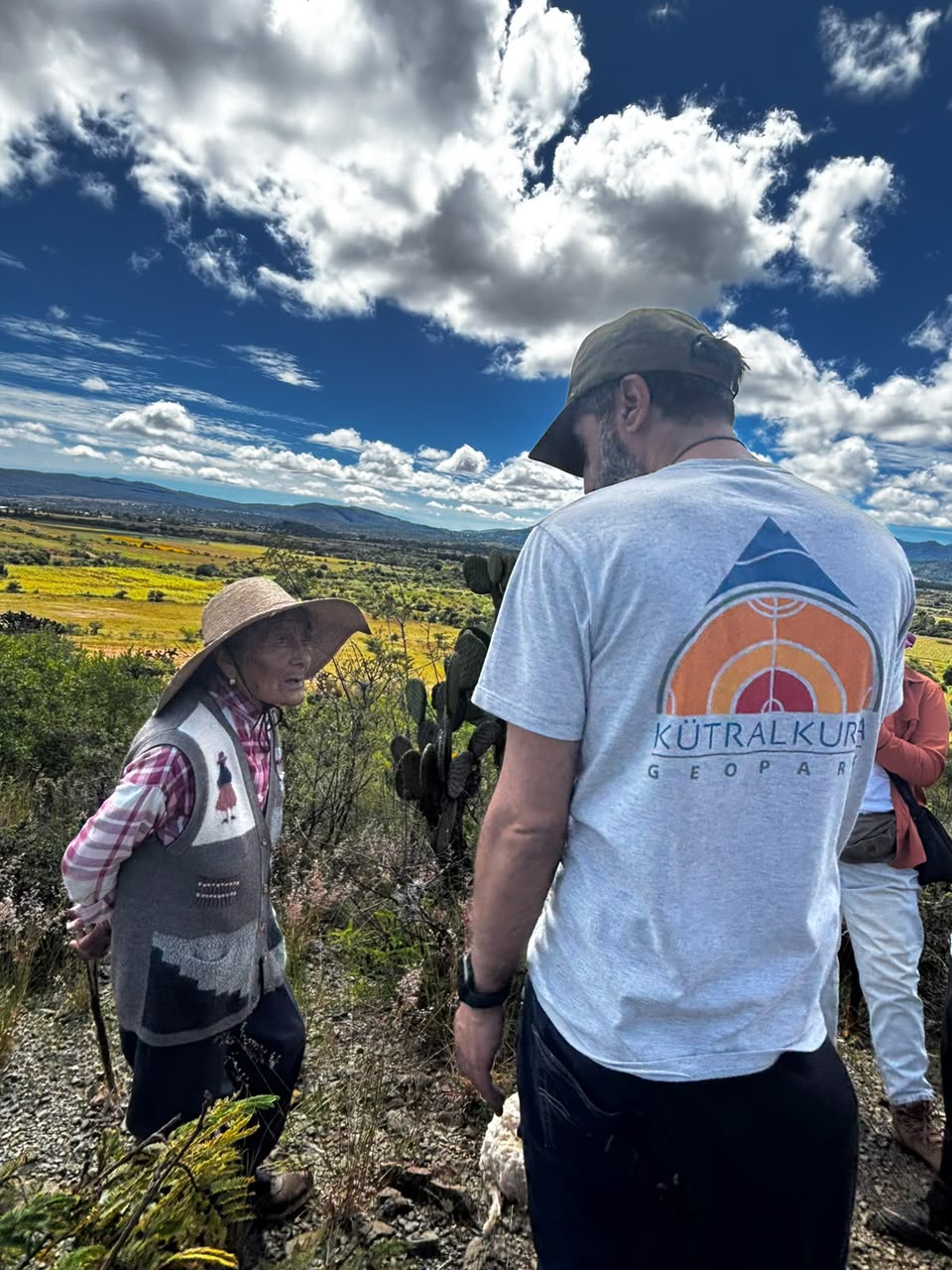
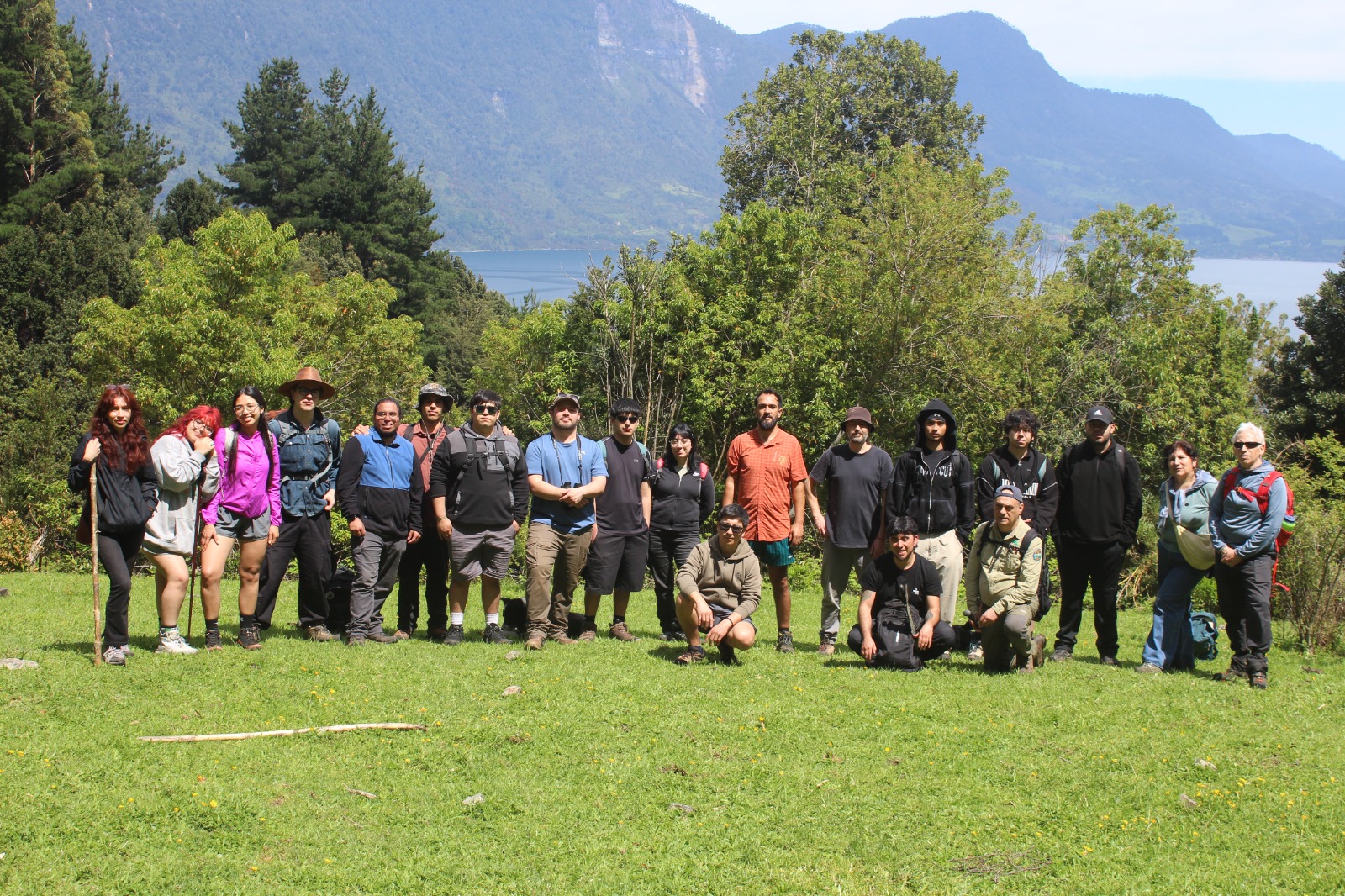
Several places and initiatives in southern Chile take part in this work. The presentation highlighted the role of the Kütralkura UNESCO Global Geopark, the Patagonia Verde Geopark project, and the Araucarias and Temperate Rainforests of the Southern Andes UNESCO Biosphere Reserves. These territories provide settings and experiences for exploring the links between science, heritage and sustainable development.
The conference brought together representatives of geoparks and projects from across the region, allowing participants to exchange knowledge and experiences, especially with those working in mountain territories. For the Laboratory, these spaces are an opportunity to learn about approaches developed elsewhere and to build connections that may lead to future collaborations.
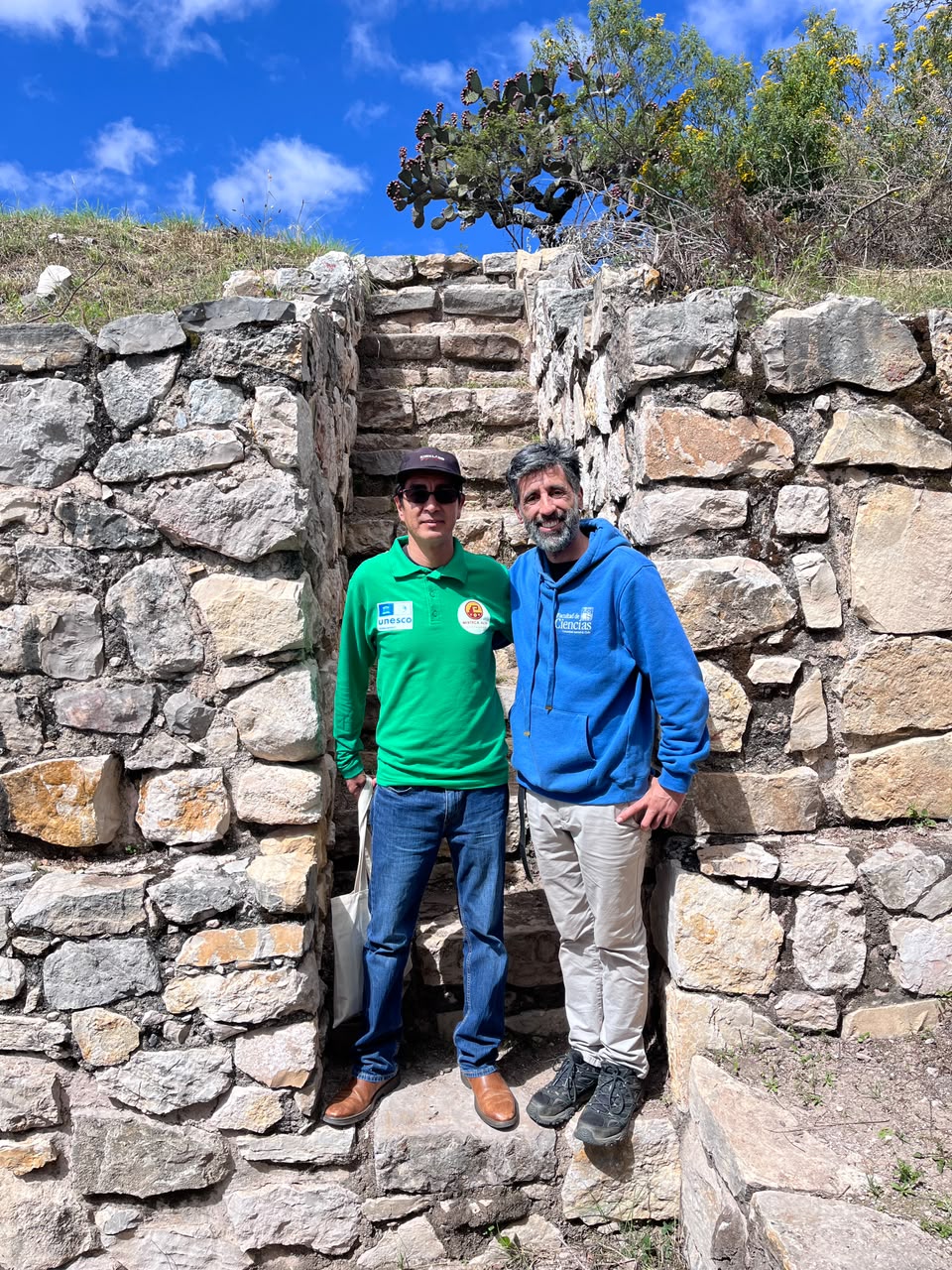
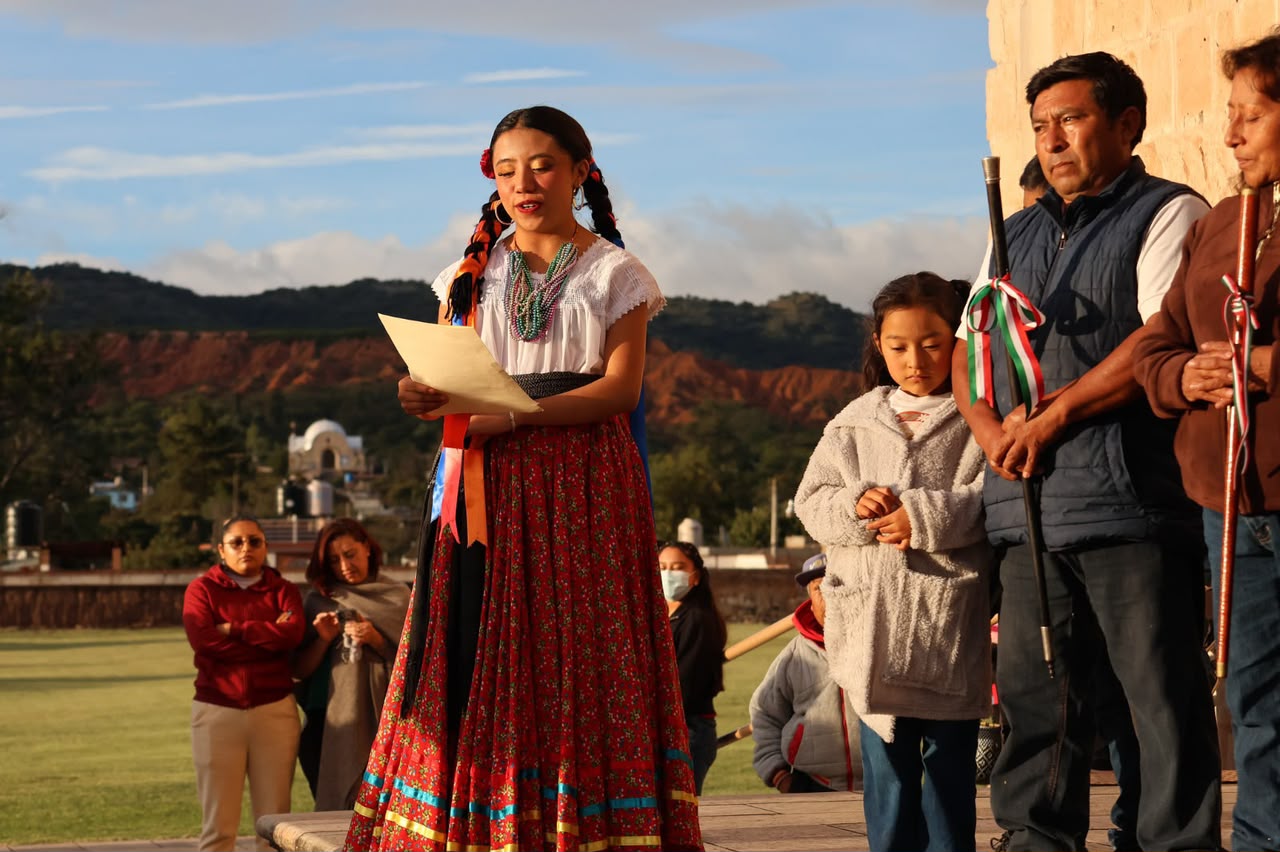
As part of the program, Dr. Schilling visited the Comarca Minera UNESCO Global Geopark in Hidalgo and the Mixteca Alta UNESCO Global Geopark. At both sites he learned about experiences that connect geological heritage with local development and the culture of Mesoamerican Indigenous peoples. The visit also offered a closer look at territories with a history spanning more than 500 years since European colonization.
Taking part in the event in Mexico made it possible to present the work of the Southern Andes Natural Laboratory while learning from other Latin American geoparks. The exchange produced new contacts and opened up possibilities for collaboration with mountain territories across the region.