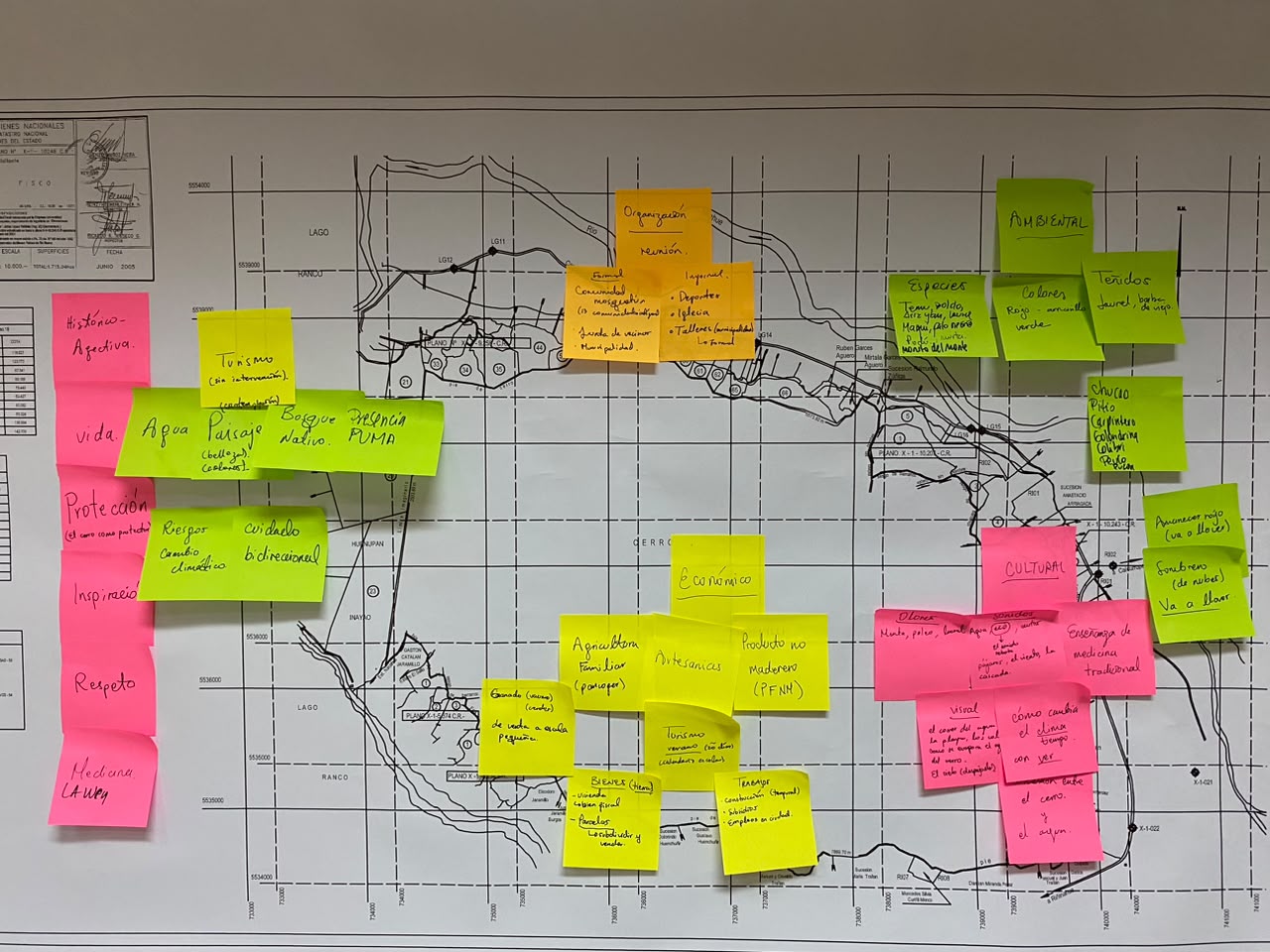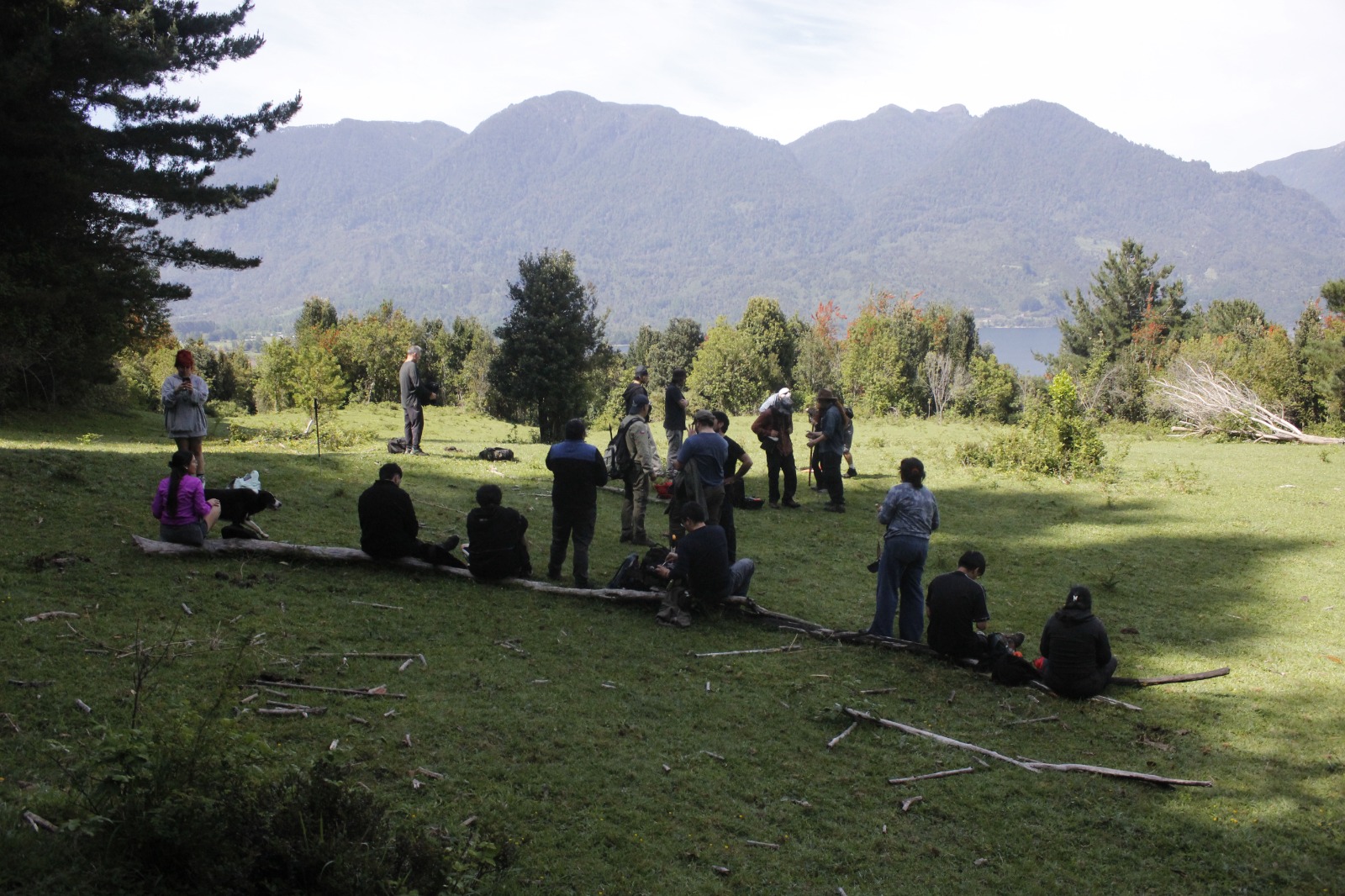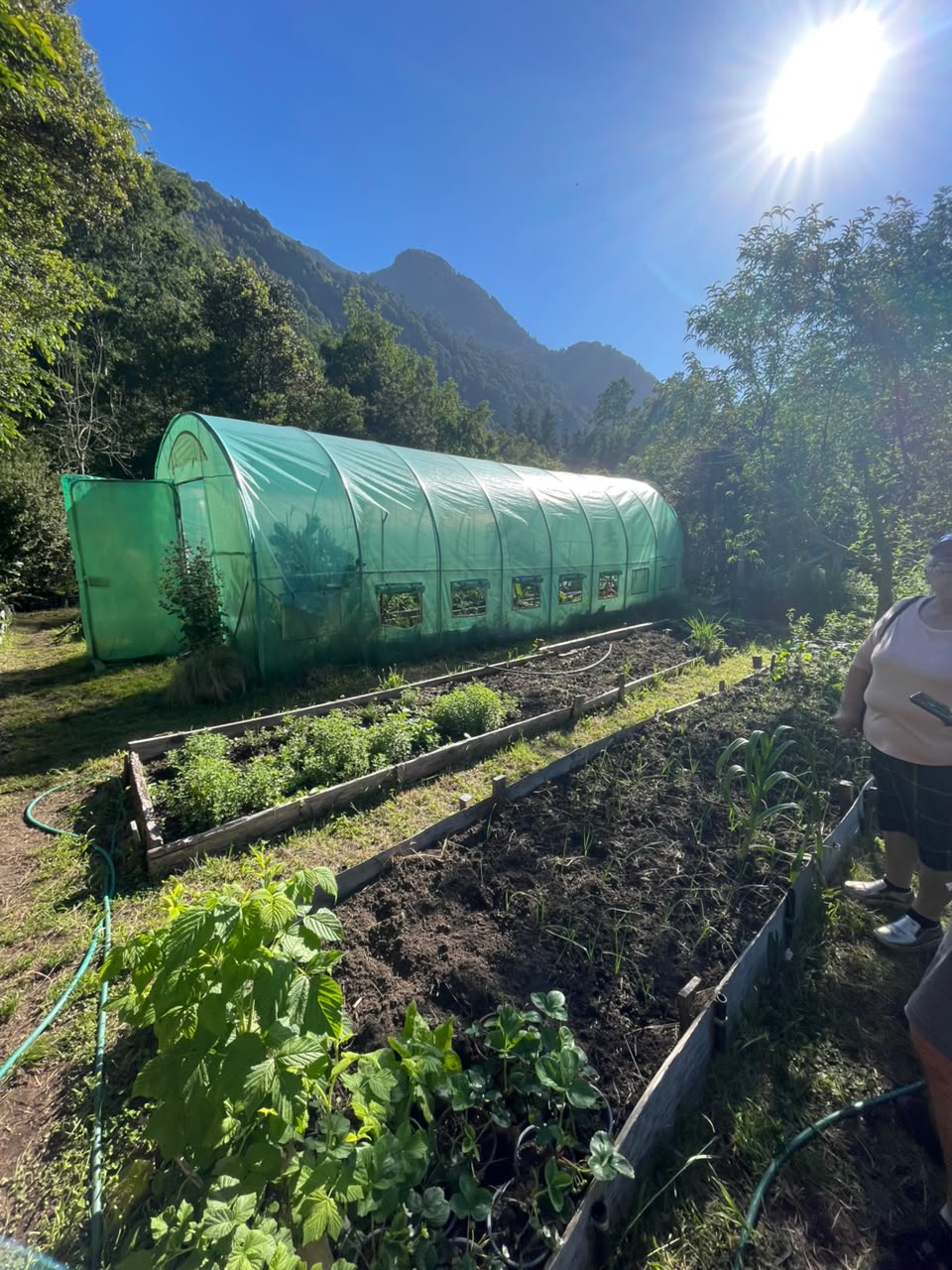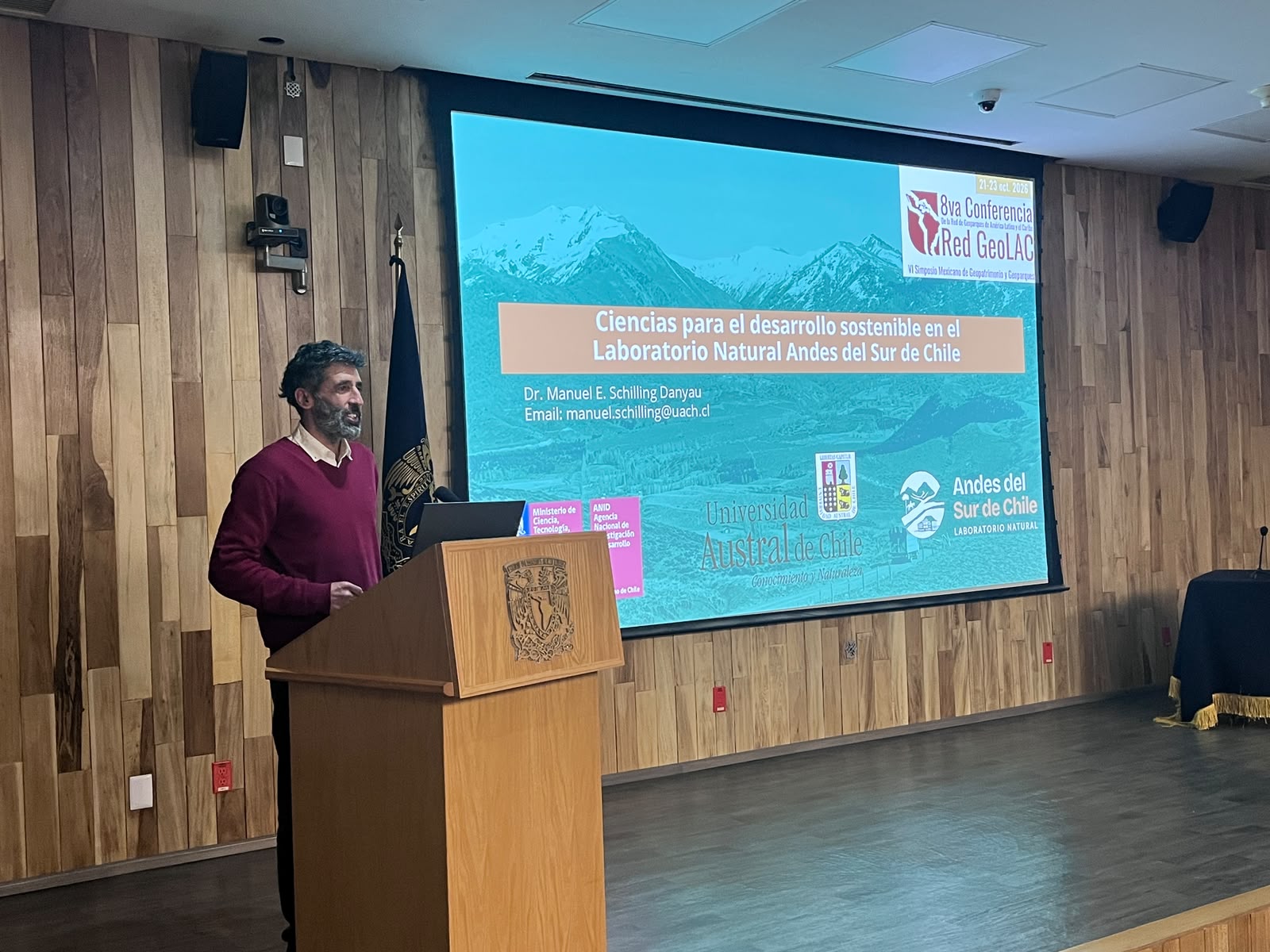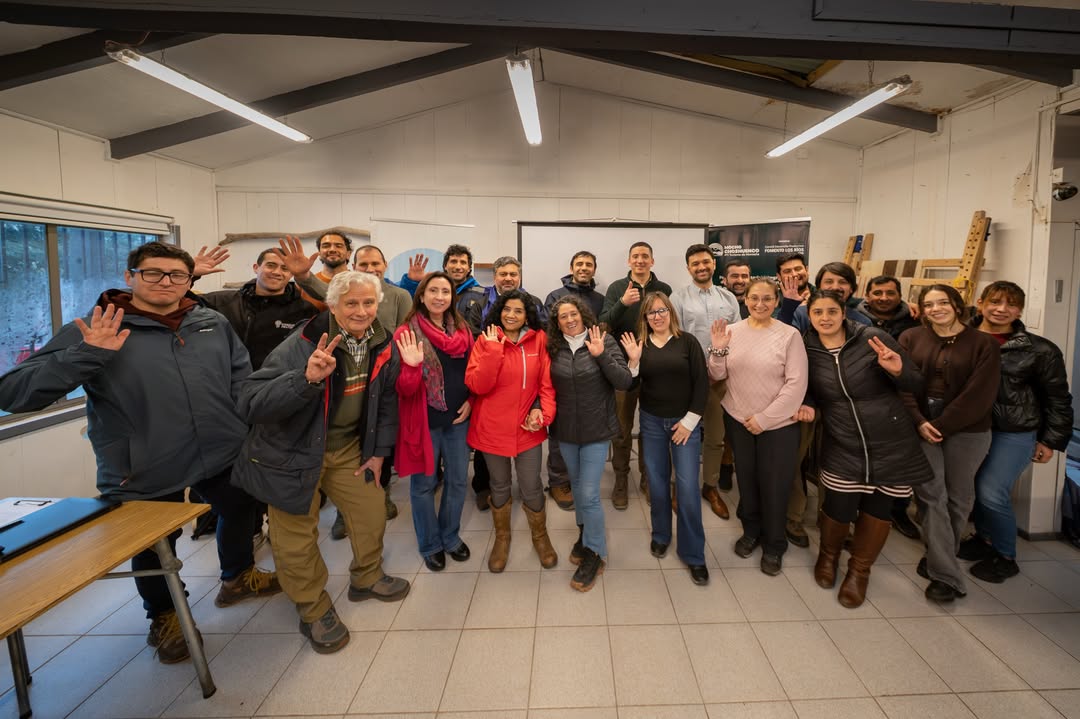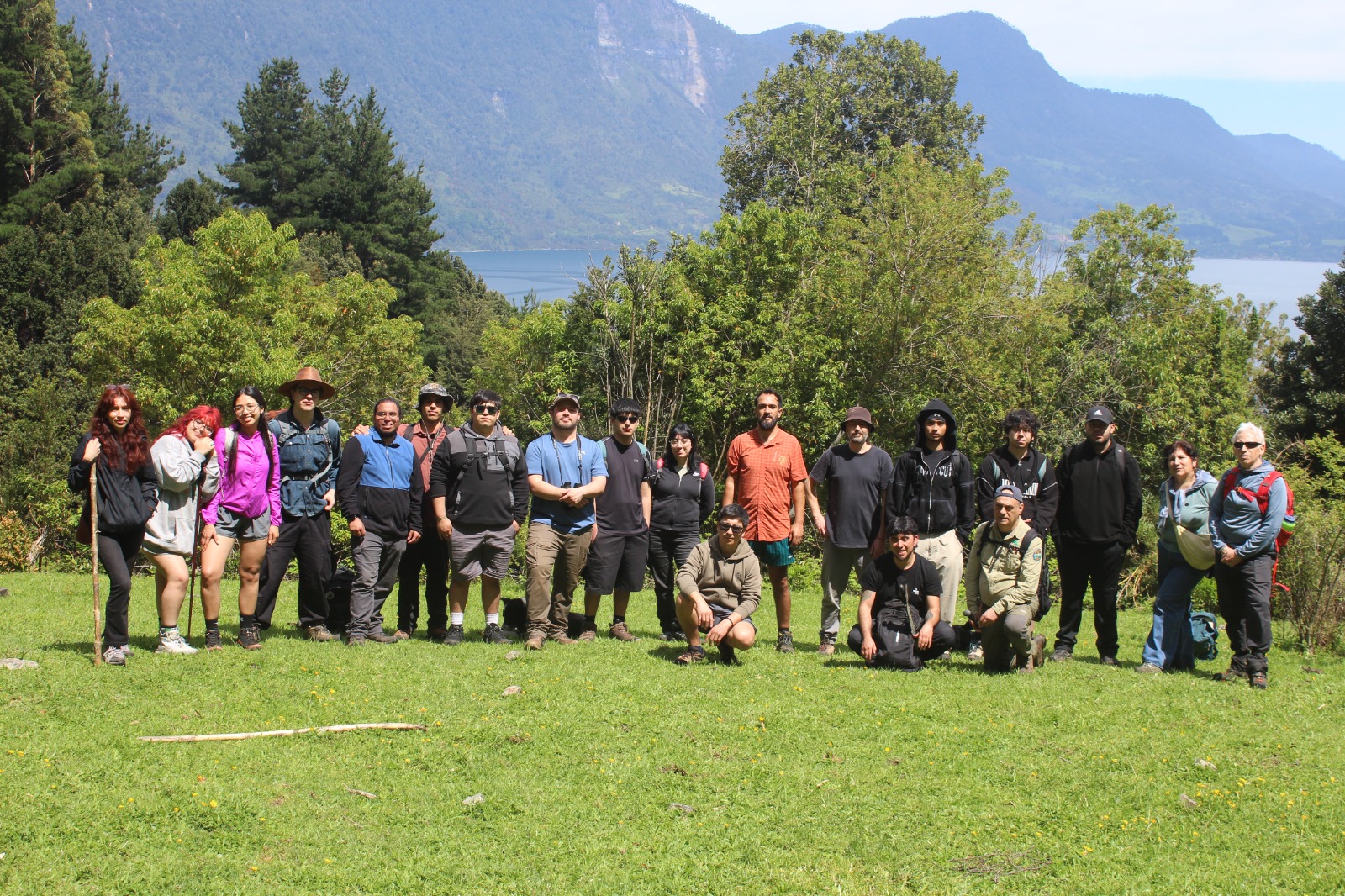
Geography students from Universidad Austral de Chile took part in a day of territorial exploration at the Winkull Illi Protected National Asset in Lago Ranco. The activity brought together local communities, public institutions and professionals to share knowledge about this mountain landscape.
How can we understand a territory in all its complexity? At Winkull Illi, that question was explored by walking the landscape, observing it from different disciplines and listening to those who know it and live there. Geography students from Universidad Austral de Chile took part in a day of territorial exploration and recognition together with representatives of local communities and professionals from public institutions.
The activity included the participation of the Biodiversity and Protected Areas Service (SBAP), the Ministry of National Assets and CONAF. The meeting encouraged dialogue between university education, community experience and public management of the territory.
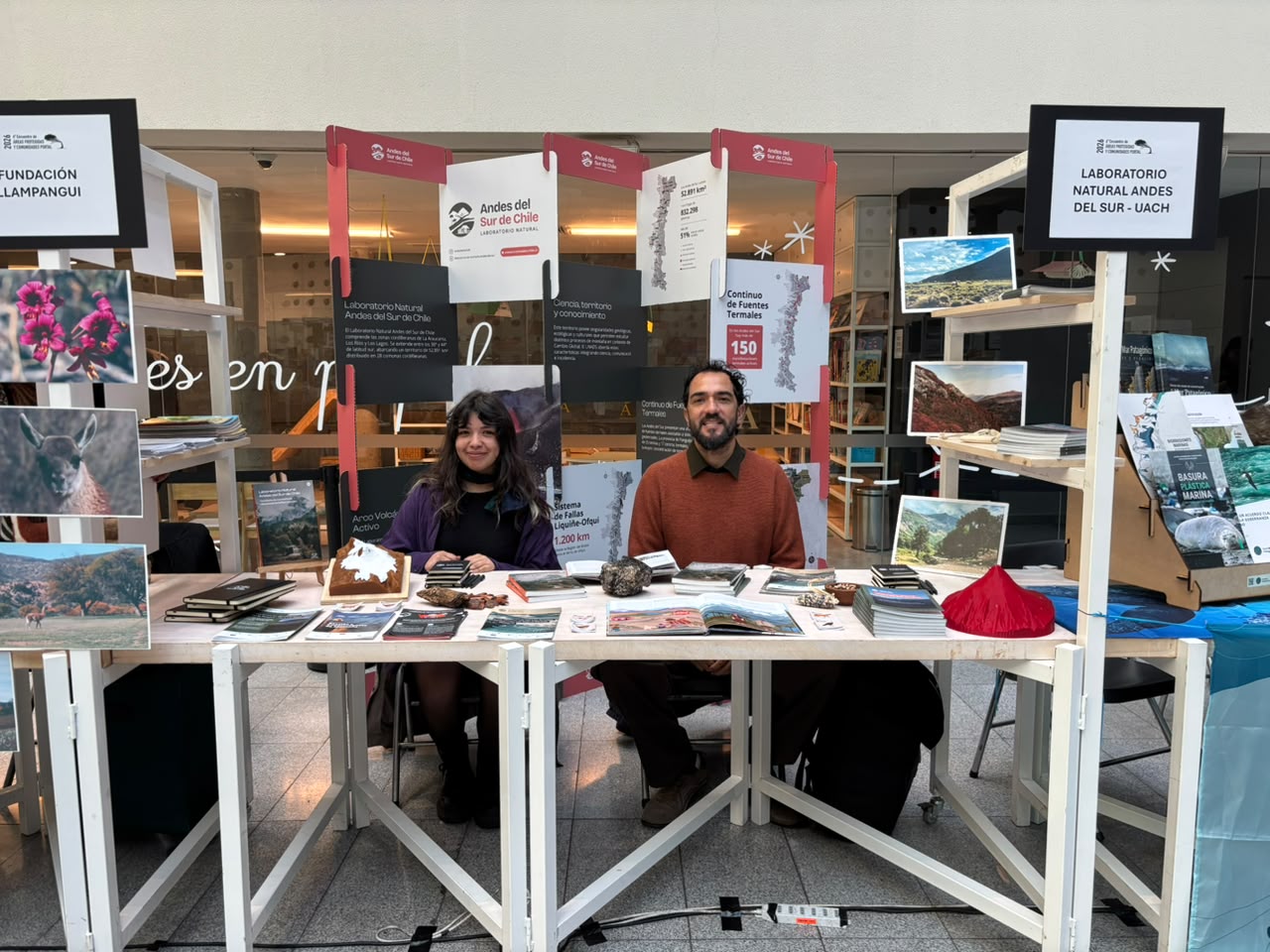
Linked to the work of the Southern Andes Natural Laboratory (LNADS), the day offered a way to approach Winkull Illi as a biocultural landscape: a place where forests, waters and relief are bound up with the memories and ways of life of its communities. Recognizing these connections helps us understand the territory from a broad perspective that brings together its natural and cultural dimensions.
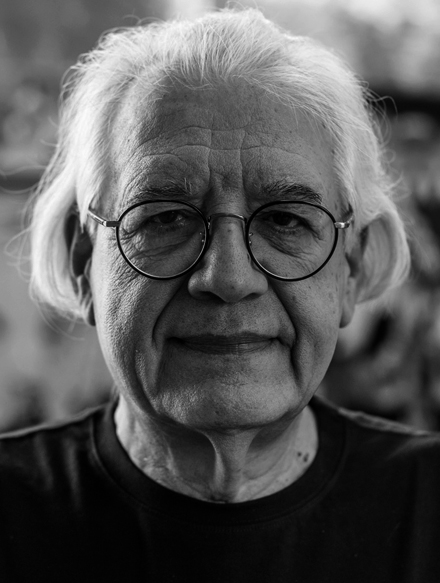
For geographer Patricio Contreras, a lecturer in the Geography program at Universidad Austral de Chile and Executive Coordinator of the LNADS, fieldwork is essential for students to recognize these relationships:
"Cerro Illi is a territory of extraordinary natural and cultural value, and understanding it requires bringing together different perspectives and forms of knowledge. This fieldwork allows our students to recognize the relationships between geology, forests, water, landscape and the communities that have historically lived there. Working with local stakeholders and public institutions reminds us that doing geography is not only about studying the territory, but also about collectively building knowledge that contributes to its appreciation, conservation and sustainable management."
More than a field trip, the meeting was an opportunity to learn collectively, recognize local knowledge and reflect on the challenges of conserving and managing mountains. Walking the territory, listening to those who live there and sharing different perspectives are also ways of building knowledge together.
We thank the local communities and participating institutions for making this meeting possible.