From the Atacama Desert to Antarctica, Chile offers exceptional natural and cultural conditions for studying some of the planet's greatest challenges. The Natural Laboratories Network, promoted by ANID, links seven territorial nodes that connect science, communities and institutions to generate knowledge that contributes to the sustainable development of the regions and the country.
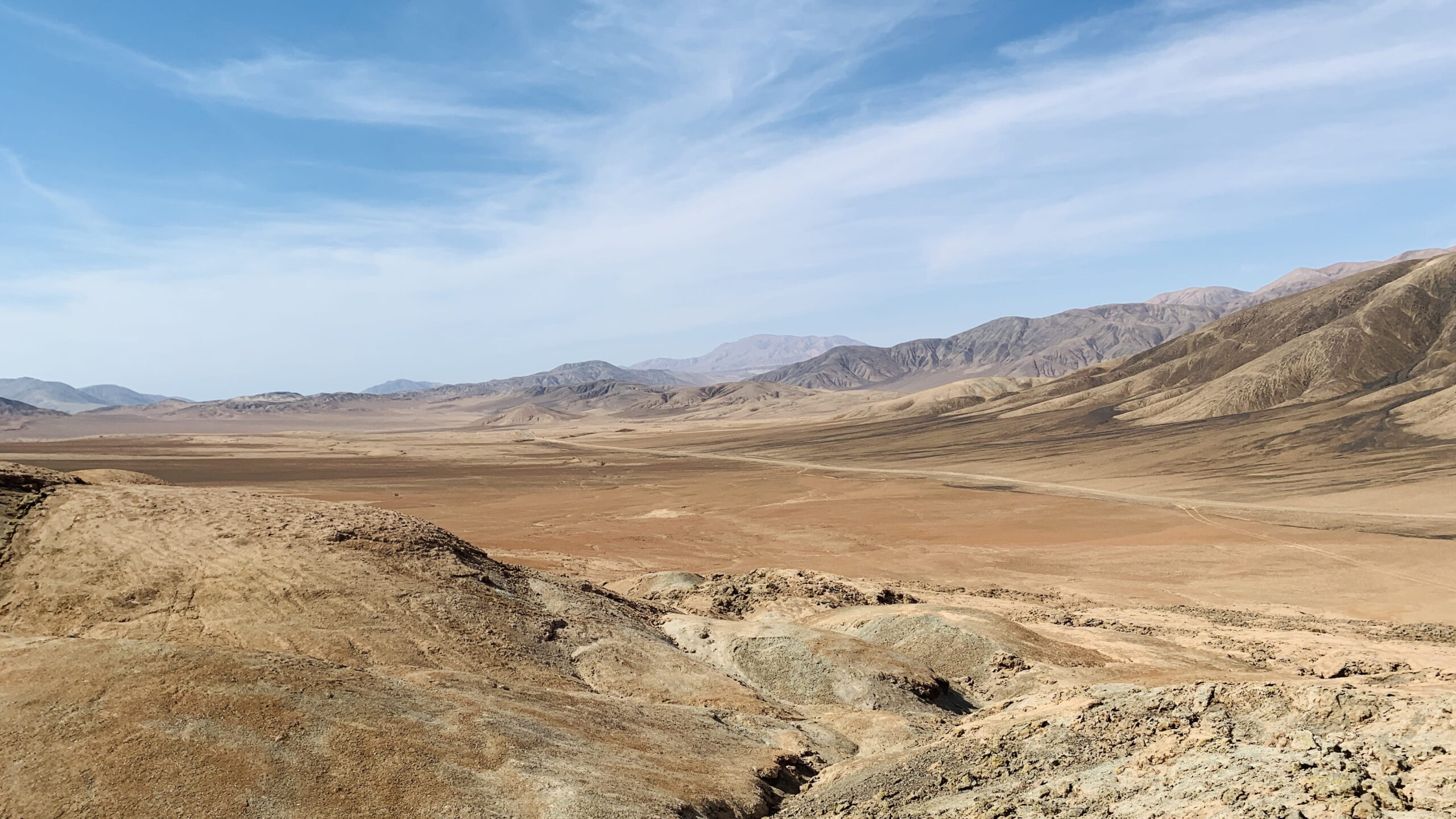
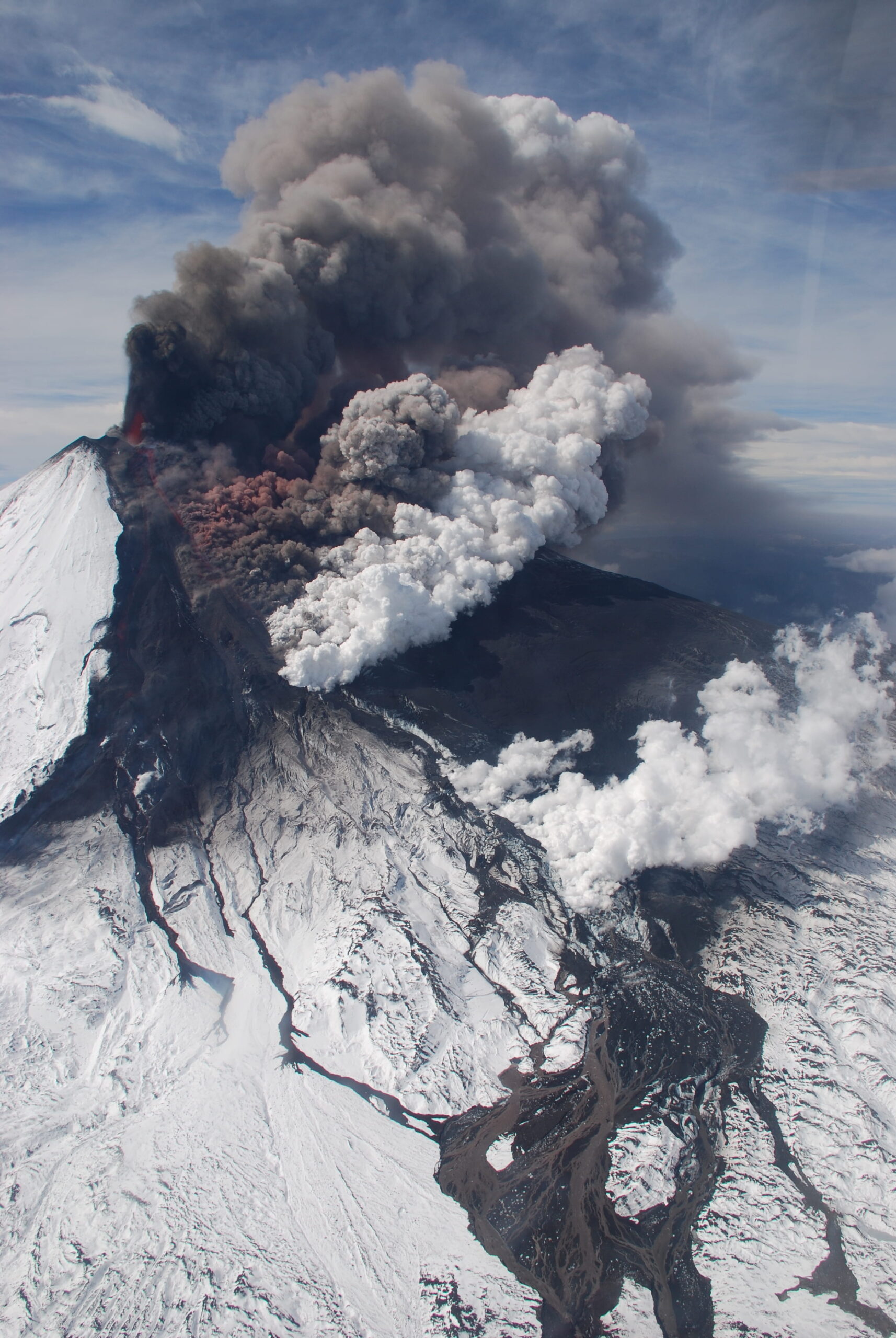
Chile has a feature that goes far beyond its scenery. Along its more than 4,200 kilometers lie the driest desert on the planet, salt flats with life forms adapted to extreme conditions, one of the world's most productive ocean systems, the Andes, forests, glaciers, wetlands, peatlands and Antarctica.
This diversity makes Chile an opportunity to research phenomena that matter not only to the country but to the world. These are known as Natural Laboratories: territories with unique natural and cultural conditions that offer opportunities to develop science, technology and knowledge with global impact and local relevance.
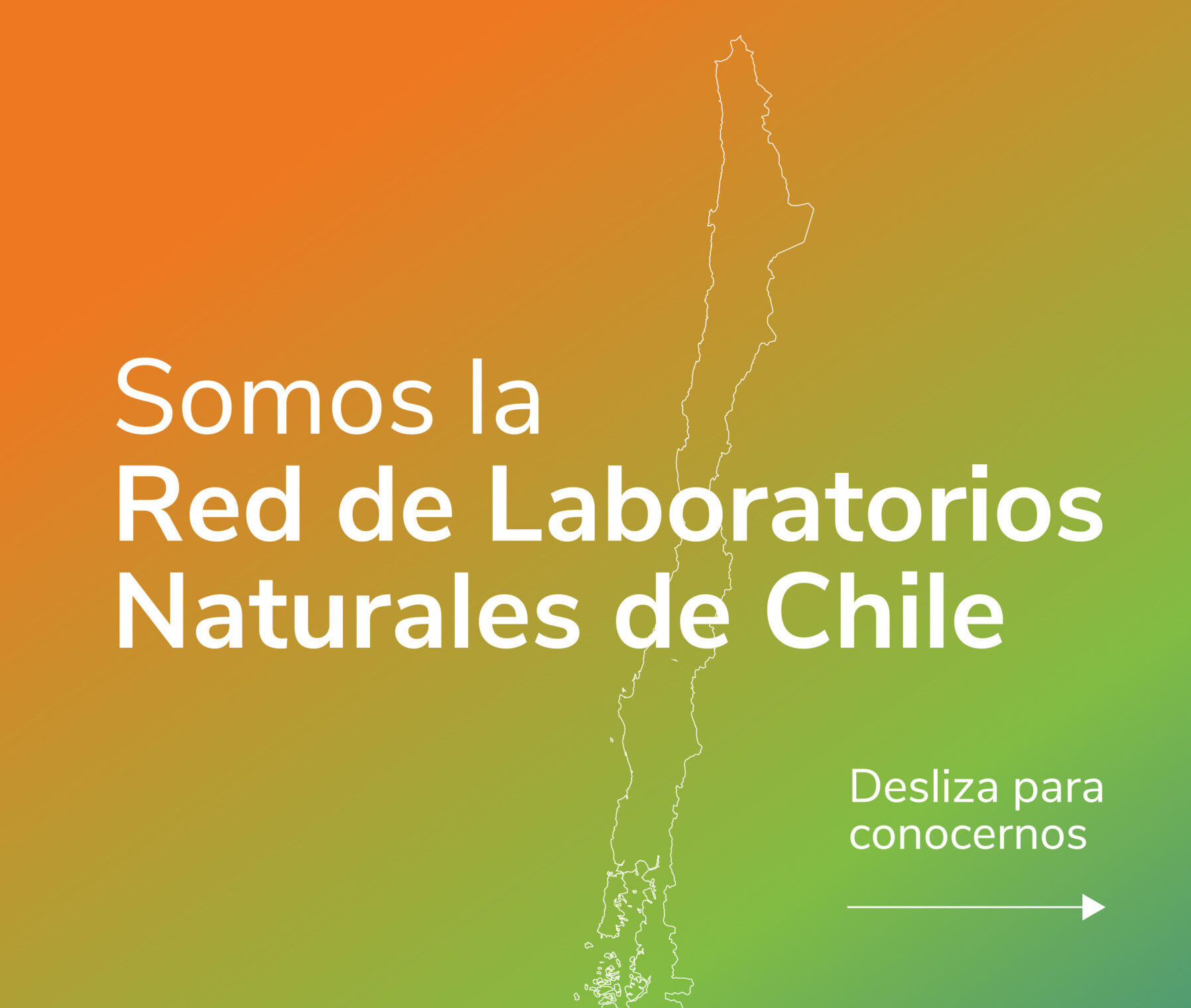
Promoted by ANID, Chile's Natural Laboratories Network links seven territorial nodes, each tied to particular features and challenges. Although their research questions differ, they share a vision: using Chile's unique conditions to generate knowledge and connect it with the needs of their territories.
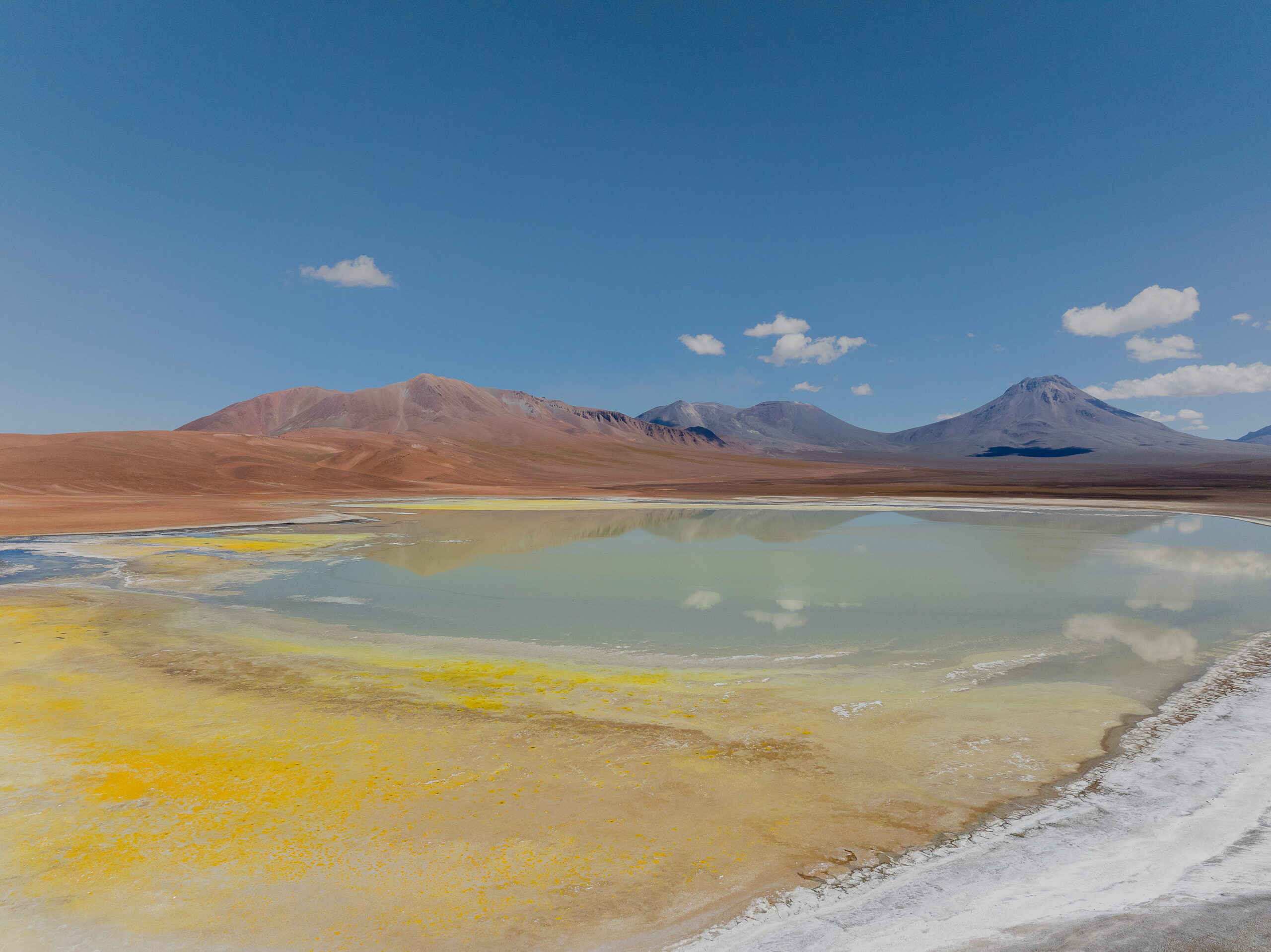
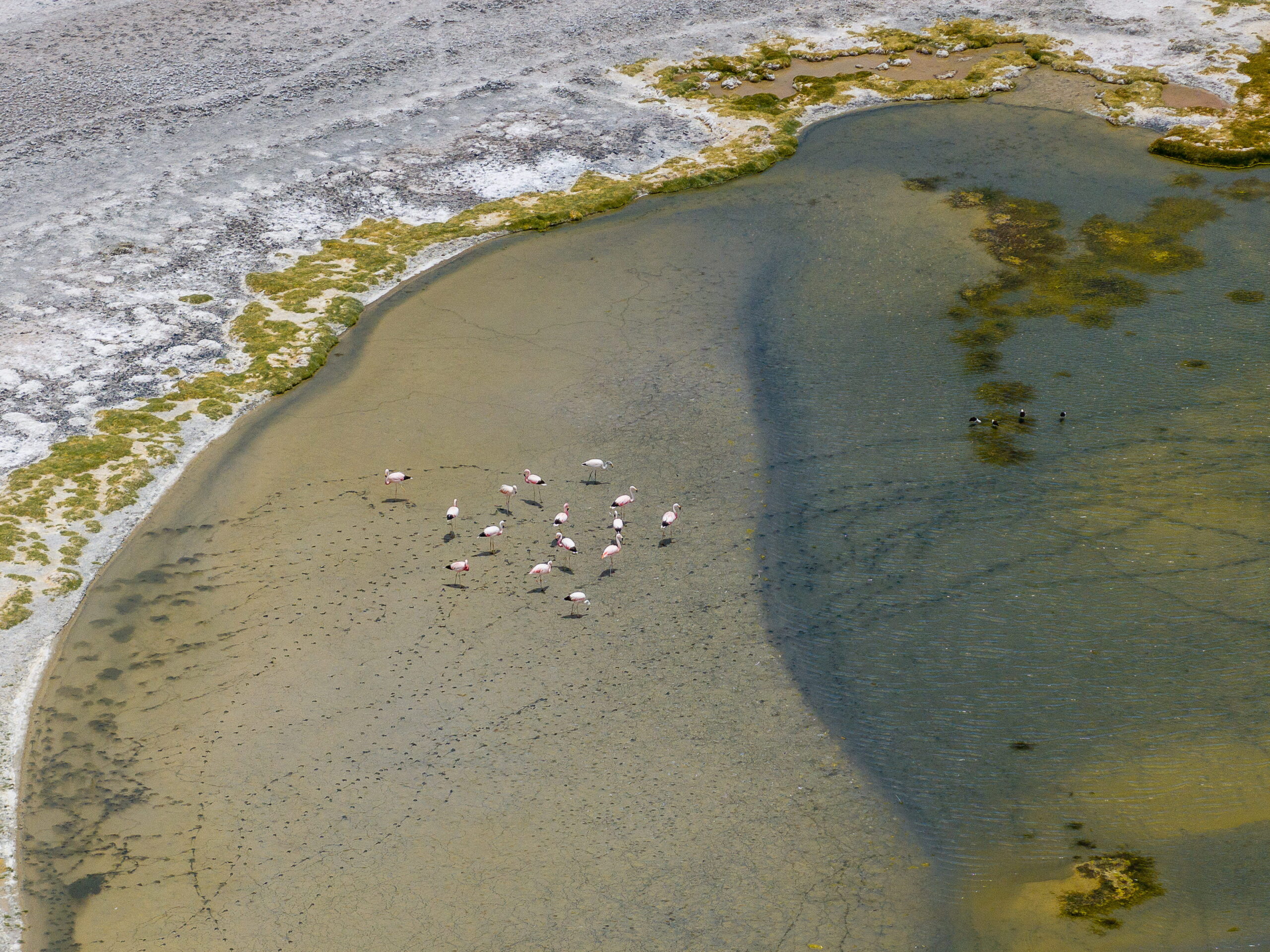
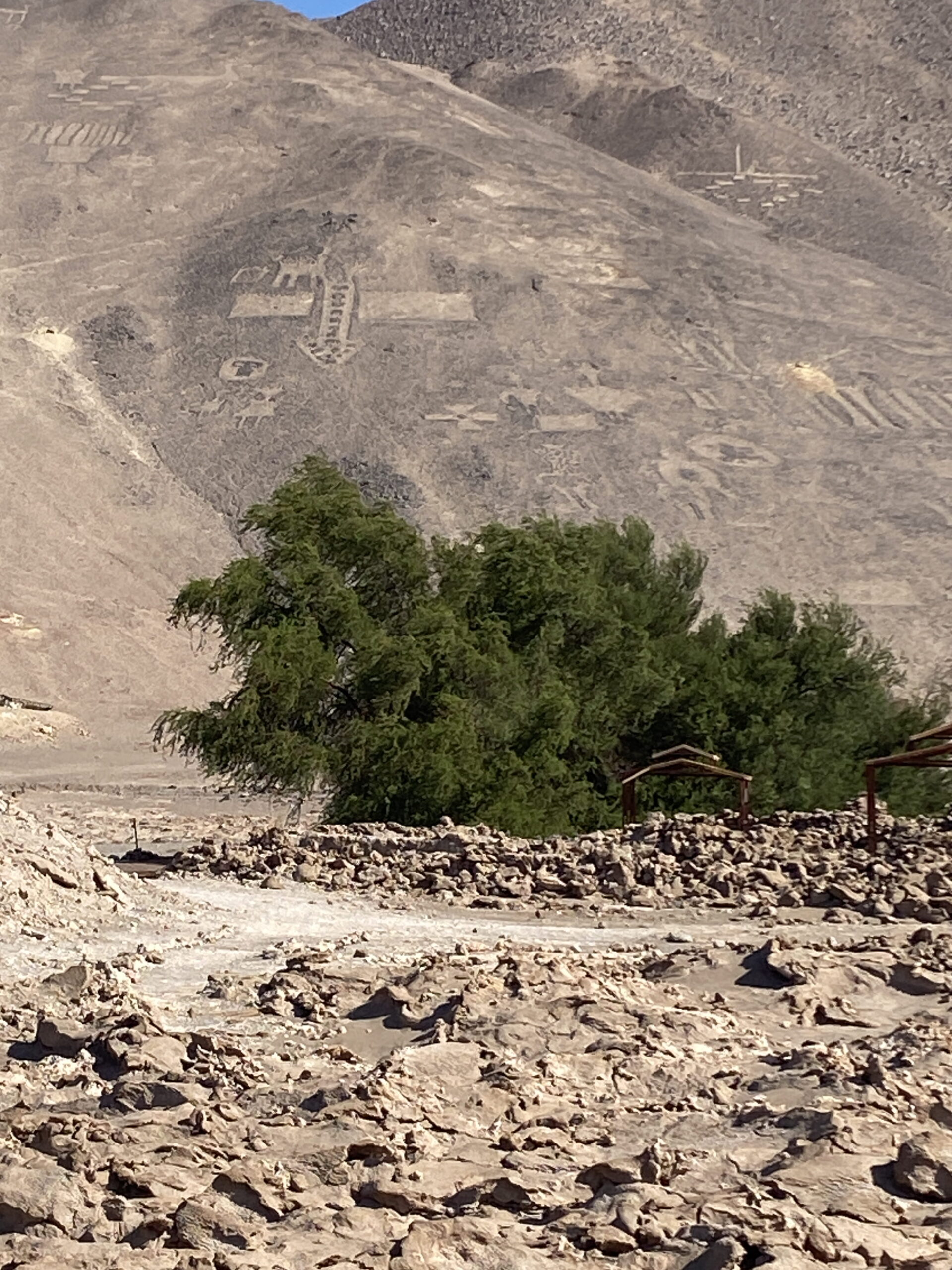
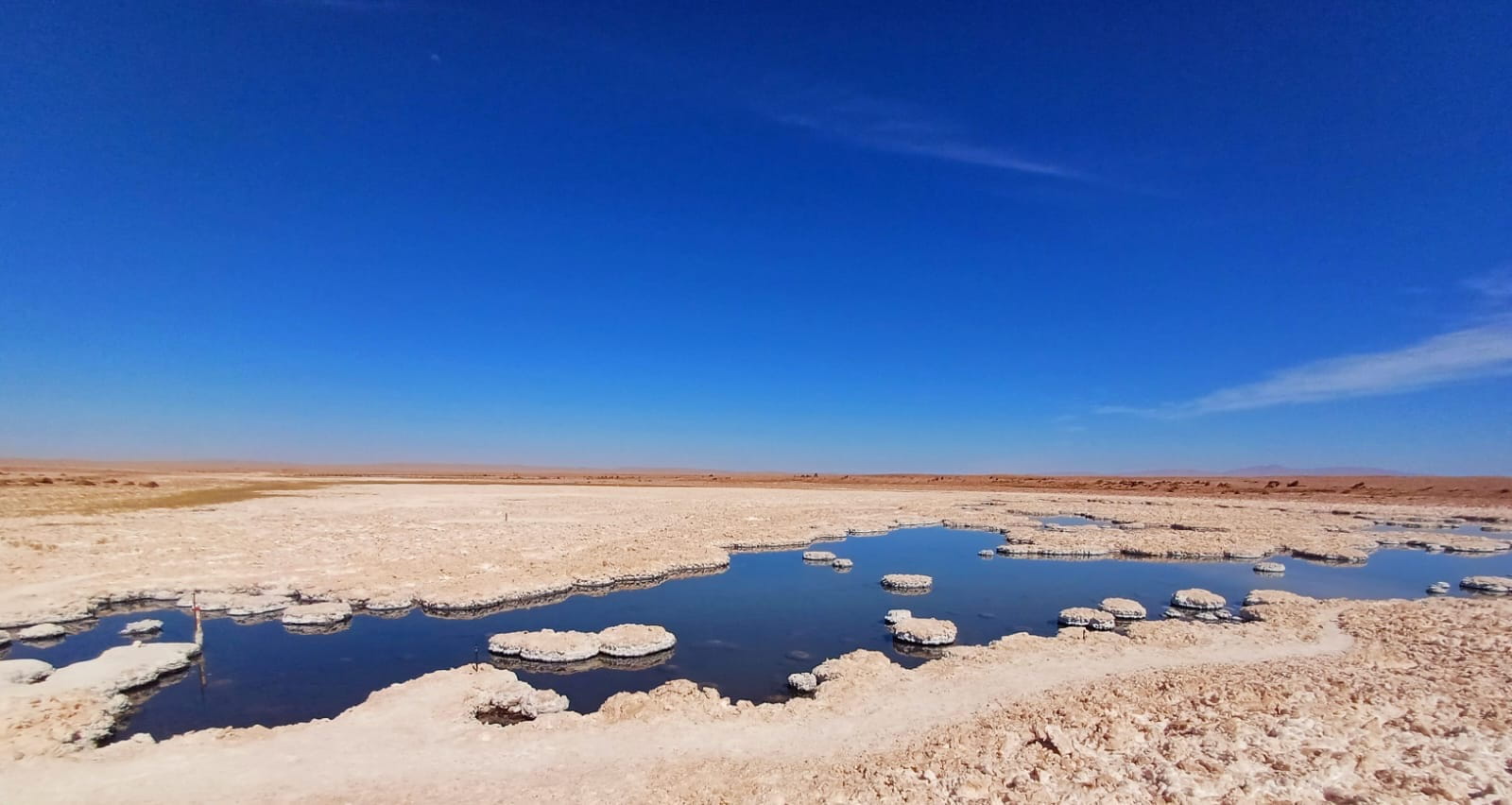
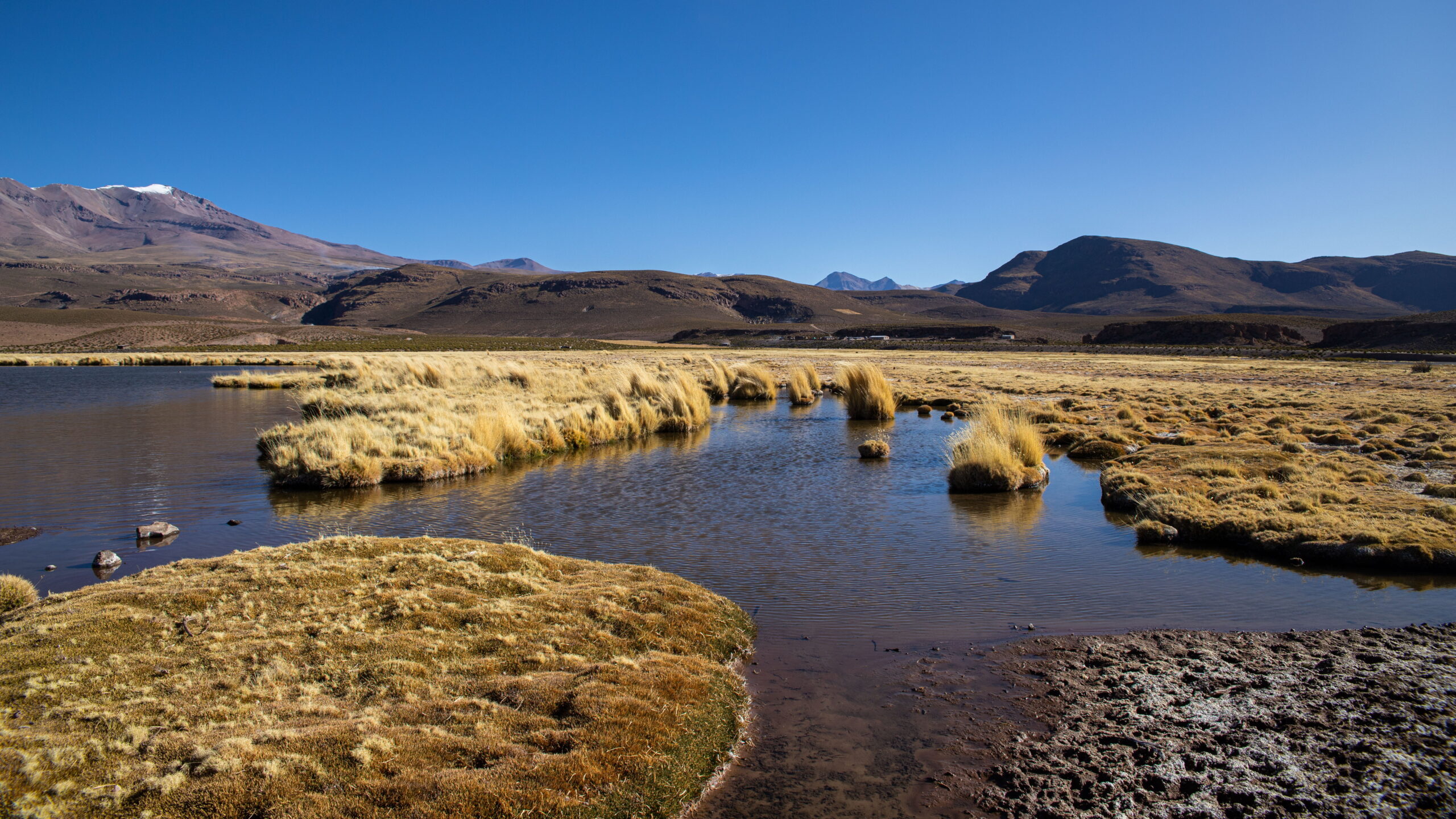
In the north, for example, the Atacama Desert makes it possible to study how life adapts to extreme environments, biodiversity, climatic and geological processes, and opportunities for innovation linked to its natural resources. The salt flats allow research into high-salinity ecosystems and microbial biodiversity, while also holding minerals that are strategic for the energy transition.
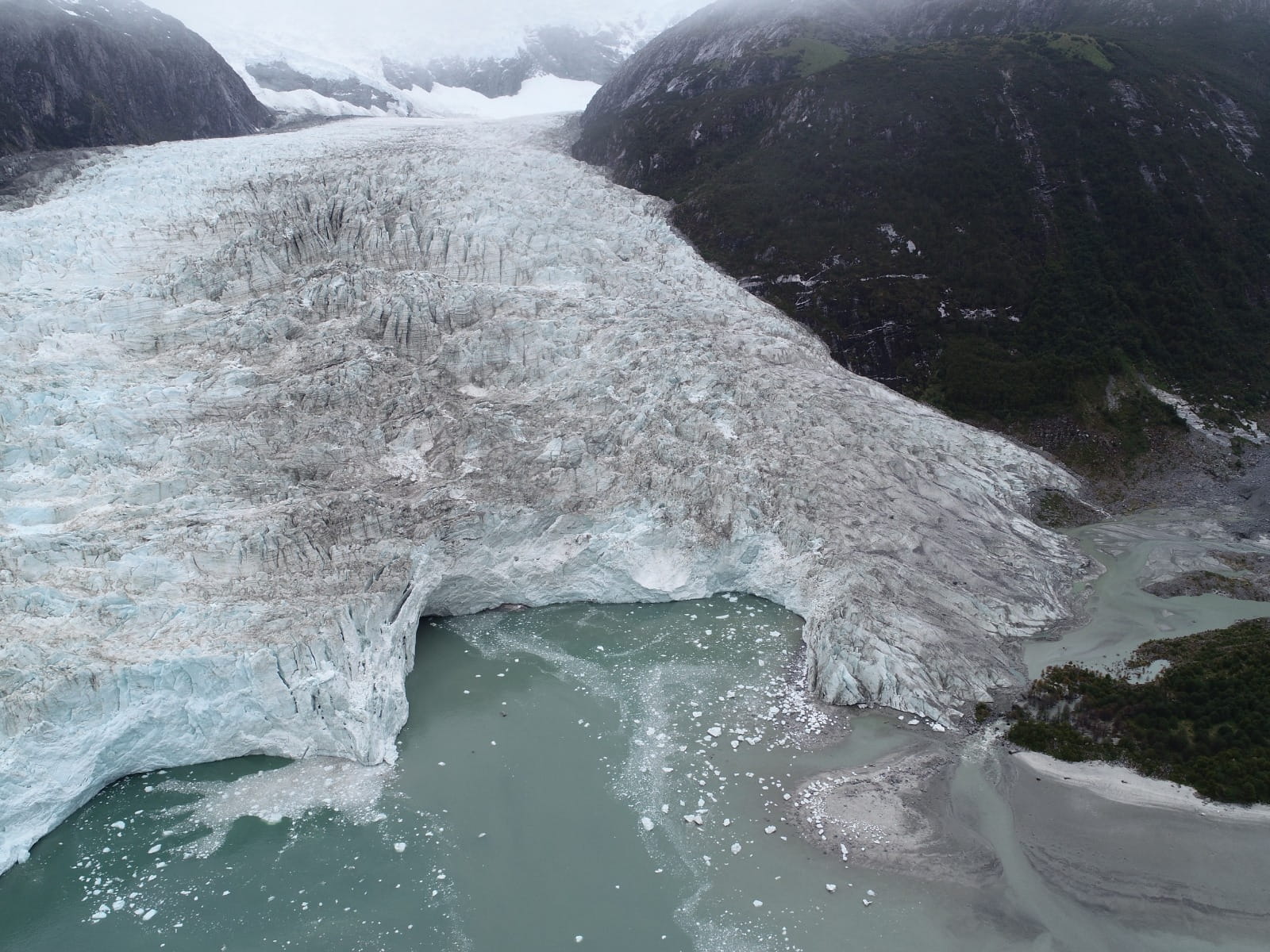
On the north-central coast, the influence of the Humboldt Current creates exceptional conditions for studying marine biodiversity and productivity, providing knowledge to move toward more sustainable use of the ocean. Further south, the Andes, with their glaciers, forests and wetlands, help us understand the effects of climate change, water availability and how territories adapt.
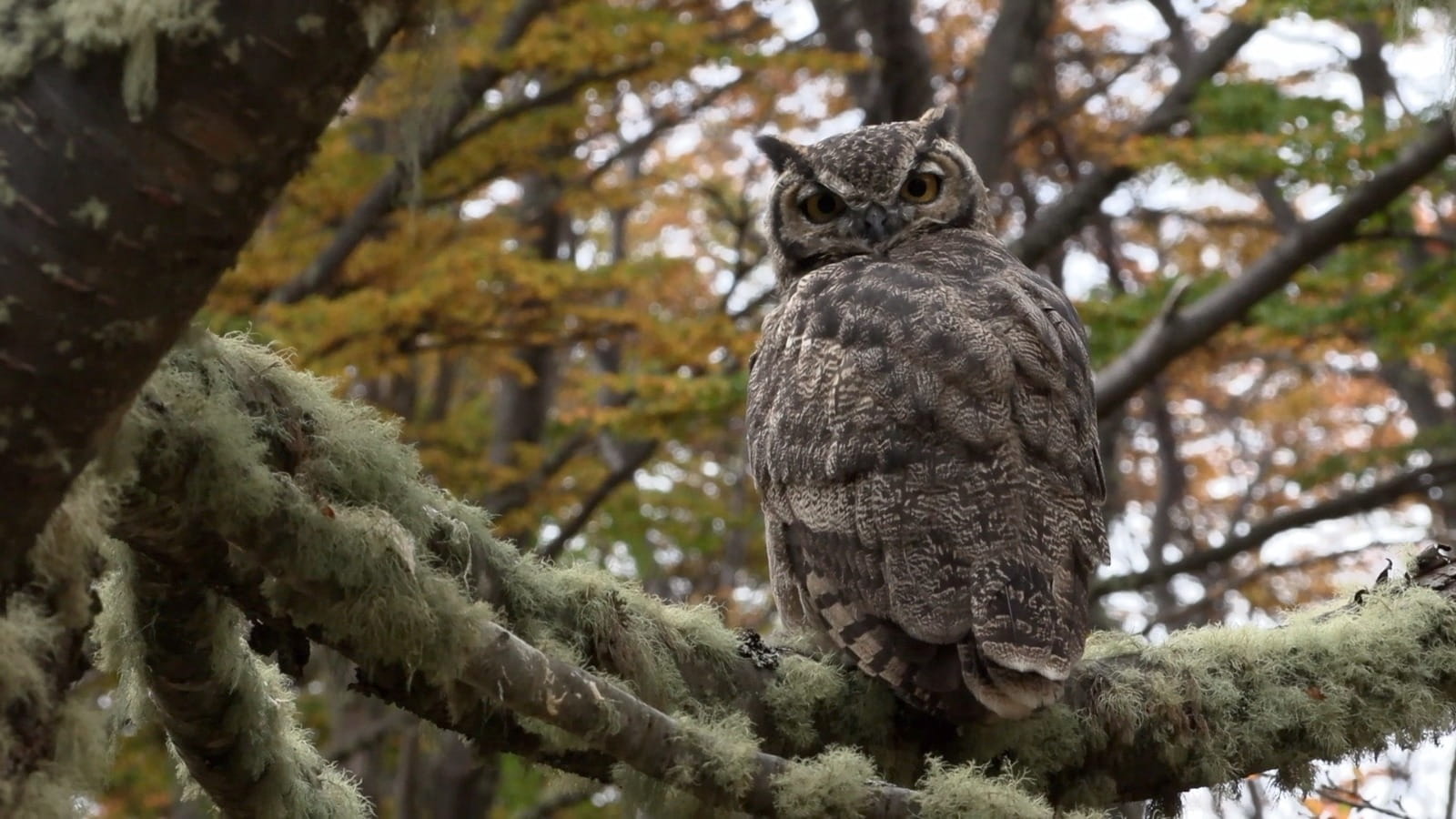
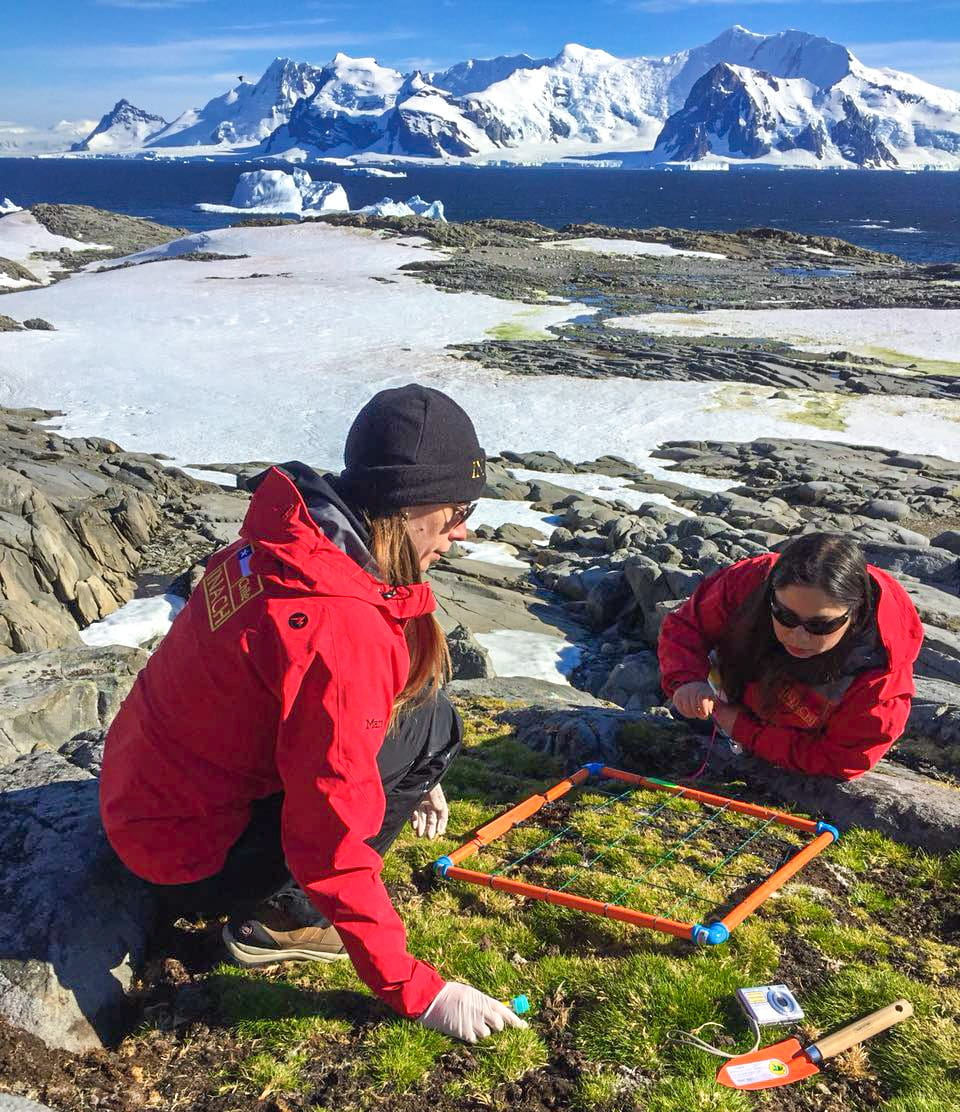
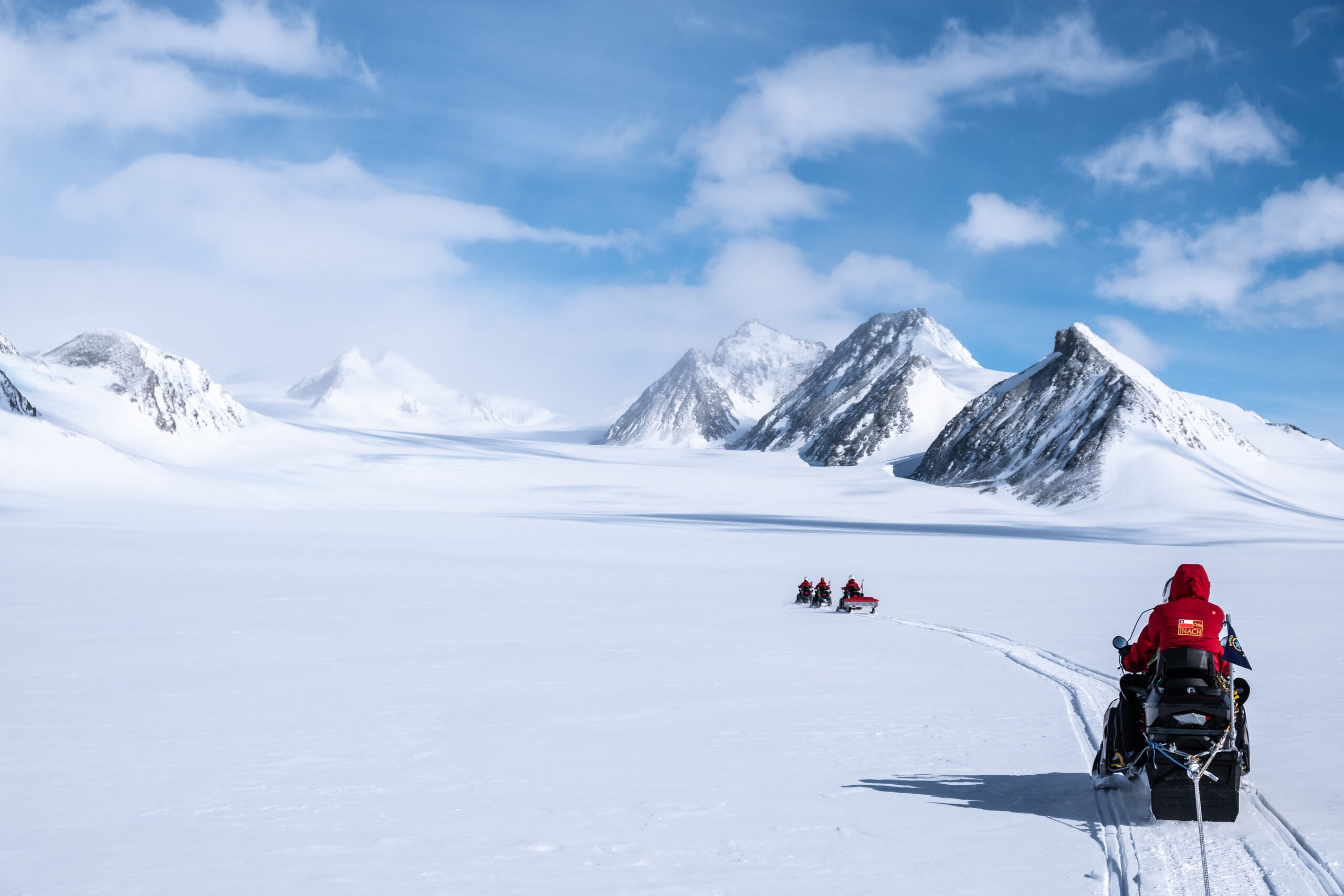
In the sub-Antarctic region and Antarctica, research makes it possible to observe processes that are key to understanding climate change and ecosystem change. In all these cases, the territory becomes a space for research, but also a source of opportunities to develop new solutions, technologies, productive activities and forms of management.
The goal is not only to understand these places better, but for that knowledge to create value for the people who live there.
Por eso, el trabajo de los Laboratorios Naturales incorpora la colaboración con comunidades, organizaciones territoriales, instituciones públicas, universidades y otros actores. Esta relación permite integrar conocimiento científico con saberes locales y abordar desafíos concretos relacionados con la gestión del agua, conservación de ecosistemas, sistemas productivos, transición energética, cambio climático y desarrollo territorial.
That is why the work of the Natural Laboratories includes collaboration with communities, territorial organizations, public institutions, universities and other stakeholders. This relationship makes it possible to integrate scientific knowledge with local knowledge and to tackle concrete challenges related to water management, ecosystem conservation, production systems, the energy transition, climate change and territorial development.
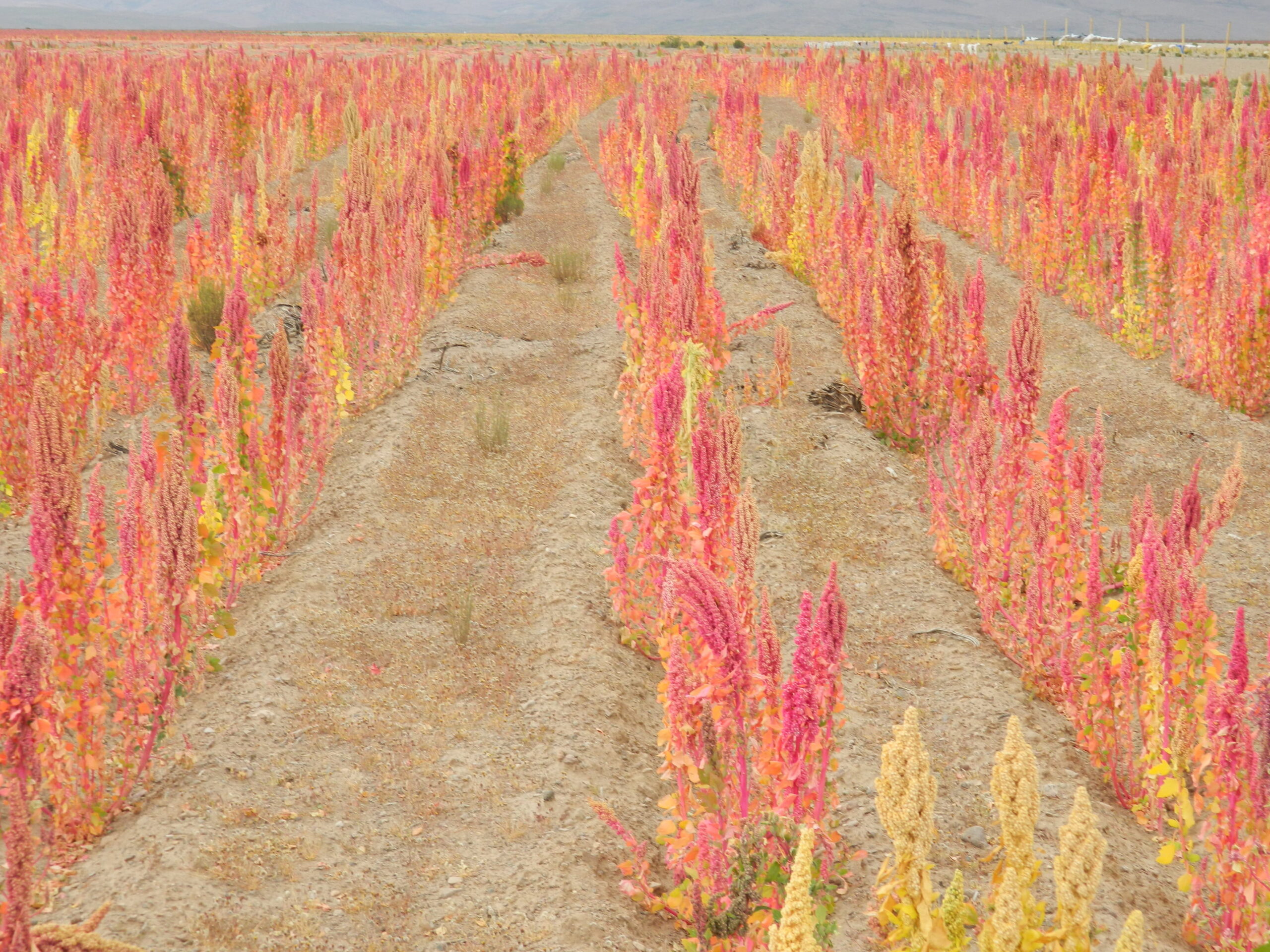
This connection also opens opportunities for innovation and economic diversification in the regions. Knowledge about ecosystems and landscapes can contribute to technological solutions, new productive practices and models for the sustainable use of land. It can also strengthen the appreciation of natural and cultural heritage and provide information for activities such as nature and science tourism, always with a focus on sustainability and the protection of territories.
The Network seeks precisely to connect these dimensions. Science, territory, innovation and development are not separate fields when knowledge is generated from the features and needs of each place.
In this way, a salt flat is not only a place where strategic minerals are found; it is also an ecosystem whose dynamics we need to understand in order to make better decisions about its use. A glacier is not only a tourist attraction; it is also an indicator of climate change and a source of information about water. And the ocean is not only an economic resource: it is a system that is essential for biodiversity, coastal communities and climate balance.
In a context shaped by climate change, biodiversity loss, pressure on natural resources and the need to create new opportunities for regional development, place-based knowledge is becoming increasingly important.
Chile's geography gives it an exceptional advantage. The Natural Laboratories Network seeks to turn that advantage into a lasting capacity to generate knowledge, innovation and development opportunities. The value of the Natural Laboratories lies not only in studying what makes Chile exceptional, but in using that knowledge to better understand the territory, drive its development and face the challenges that will shape our future.