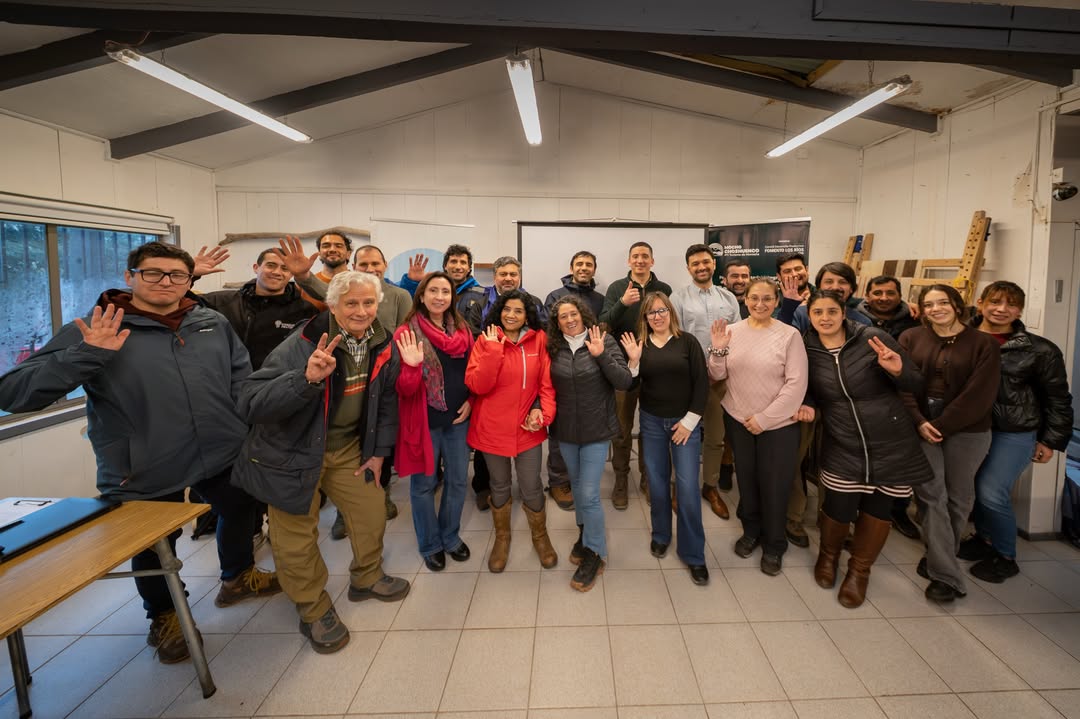
Director Carla Marchant and researcher José Tomás Ibarra took part in the 4th CHIC International Conference, which brought together national and international specialists to address the impacts of climate change from scientific, territorial and biocultural perspectives.
 From May 11 to 14, Puerto Williams hosted the 4th International Conference "Sentinels of Climate Change" organized by the Cape Horn International Center (CHIC). The meeting brought together researchers from different disciplines to discuss biodiversity, environmental monitoring, climate change and territorial governance in southern ecosystems. Participants included Carla Marchant, Director of the Southern Andes Natural Laboratory (LNADS), and José Tomás Ibarra, a researcher specializing in mountain territories and biocultural conservation.
The conference, held at the University of Magallanes's Cape Horn University Campus, included symposia, keynote lectures, workshops and scientific sessions focused on understanding the environmental changes affecting sub-Antarctic and mountain ecosystems, as well as their social, ecological and cultural implications.
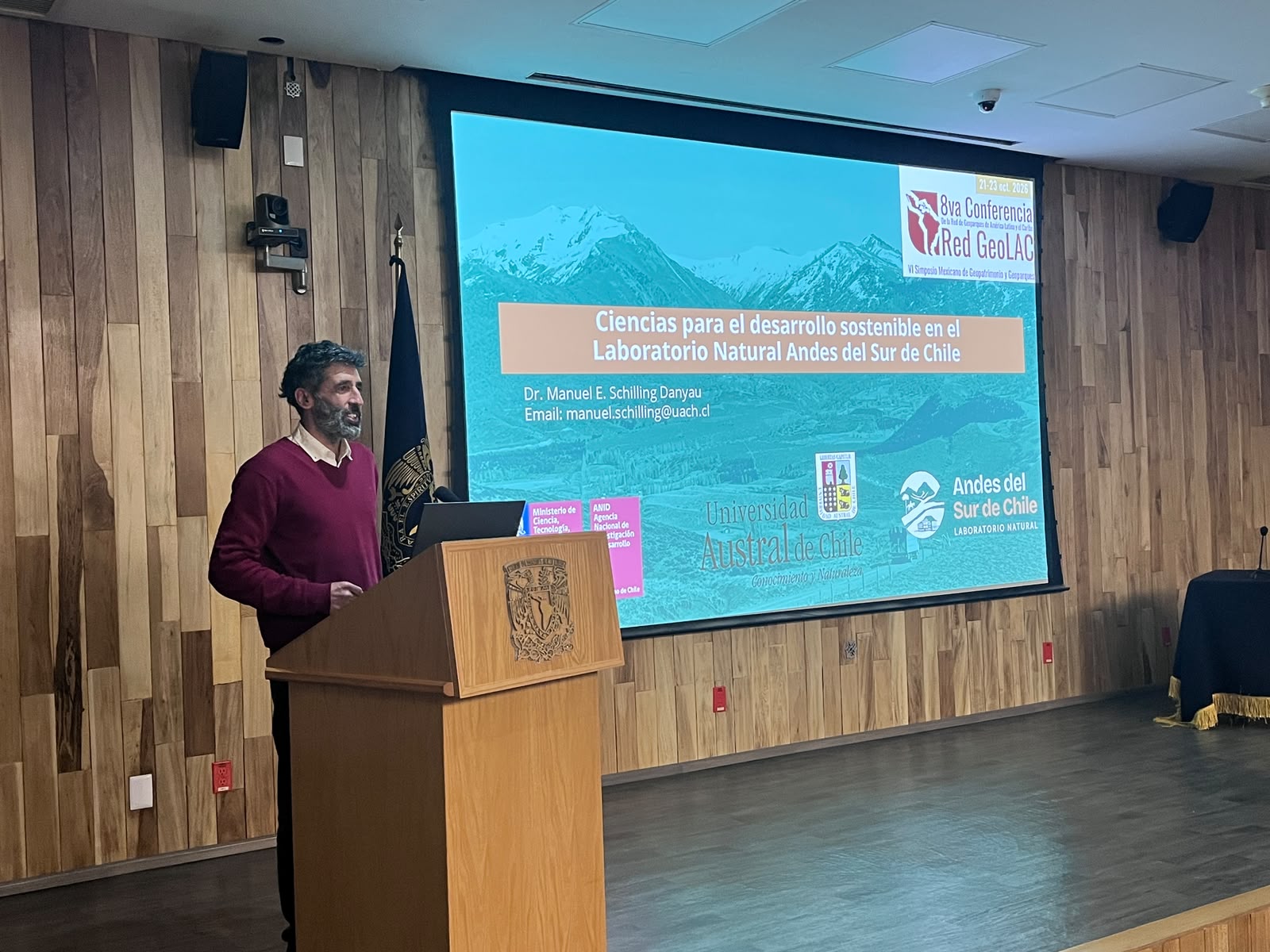
Carla Marchant and José Tomás Ibarra took part in the symposium "Biocultural Sentinels: Recording Change in Southern Lands and Seas", which discussed how communities, researchers and territorial stakeholders observe and record socio-environmental change in southern ecosystems.
The LNADS's participation in this conference is linked to the Laboratory's work on interdisciplinary research in mountain territories and on bringing scientific knowledge to different audiences and territories. In particular, it allowed for dialogue with experiences from Patagonia and sub-Antarctic ecosystems, strengthening collaboration networks in environmental monitoring, territorial governance and biocultural conservation.
One of the topics discussed at the conference was the need to integrate scientific, local and territorial forms of knowledge to understand climate change and its effects on ecosystems and communities. In this framework, discussions highlighted the role of so-called "biocultural sentinels": people and places that make it possible to detect environmental and social change early on.
In addition to scientific presentations, the conference included public activities related to art, education, biocultural heritage and community science, creating spaces for exchange between academia, local communities and institutions. For the LNADS, events like this help strengthen the flow of knowledge and the connection between scientific research, territories and communities in the face of today's socio-environmental challenges.