The meeting provided an opportunity to present the guidelines for Stage 3 of the project and to move forward on a collaboration agenda aimed at bringing mountain science closer to public management and communities in the region.
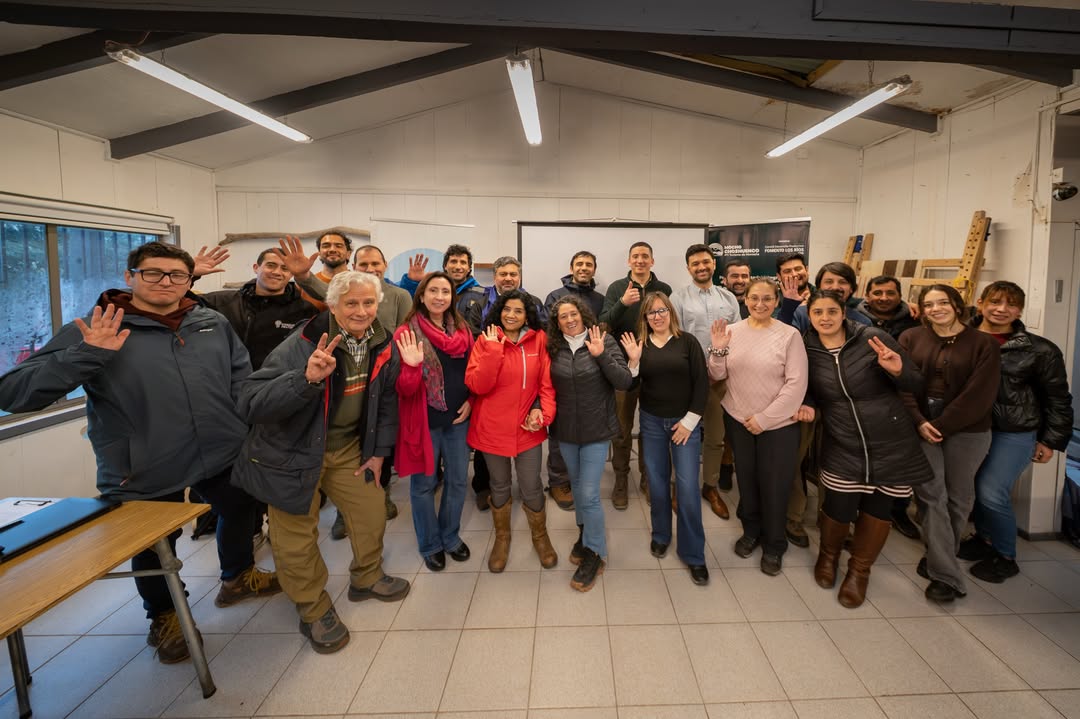
 With the aim of building coordinated work between science and territory, the Southern Andes Natural Laboratory (LNADS) met with Mauricio Barría Pailaquilén, Regional Ministerial Secretary (Seremi) of Science for Los Ríos. The meeting presented the main guidelines for Stage 3 of the project and explored opportunities for joint collaboration in the region's mountain territories.
During the meeting, the LNADS team presented progress since 2022 and the challenges of this new stage, which seeks to consolidate the Laboratory's role in connecting the science, technology, knowledge and innovation (STKI) ecosystem, with a focus on public policy impact, territorial management and the social uptake of knowledge in mountain territories.
Uno de los ejes abordados fue la proyección de la Consejería Territorial para la Ciencia, Tecnología, Conocimiento e Innovación de los Andes del SurOne of the topics discussed was the planned Territorial Council for Science, Technology, Knowledge and Innovation of the Southern Andes, an initiative that seeks to link scientific capacities with knowledge needs from public institutions, communities and territorial stakeholders through a community science model.
Mauricio Barría Pailaquilén, Seremi of Science for the Southern Macrozone, welcomed the meeting as an opportunity to strengthen collaborative work in the region.
"For us, this is a great opportunity for coordinated, collaborative work that allows us to bring this mountain research to the different territories and communities of the region," he said. señaló.
LNADS Director Carla Marchant highlighted the importance of this first institutional meeting in the context of the project's new stage.
"We appreciate the willingness to move forward with joint work, and we hope to keep contributing to strengthening the STKI ecosystem in southern Chile, especially in interdisciplinary mountain research. This kind of coordination is key for knowledge to engage with the needs of the territory and contribute to decision-making," she said. indicó.
Meetings like this are part of the LNADS's institutional outreach work, aimed at strengthening coordination with public stakeholders and promoting the use of scientific knowledge in territorial planning and management.
In the coming months, the Laboratory will continue to create spaces for collaboration with regional institutions and local stakeholders, with the aim of advancing initiatives that connect scientific output with the socio-environmental challenges of mountain territories.