Project stages

Stage 1: Diagnosis and characterization of the mountain STKI ecosystem | 2022-2023 2022-2023

To strengthen the knowledge base of the Southern Andes Natural Laboratory through a comprehensive diagnosis of through a comprehensive diagnosis of the science, technology, knowledge and innovation (STKI) ecosystem linked to the mountain territories of southern Chile. This stage made it possible to identify key stakeholders, existing capacities, ongoing initiatives, coordination gaps and opportunities for collaboration, generating evidence to guide strategic planning and decision-making.

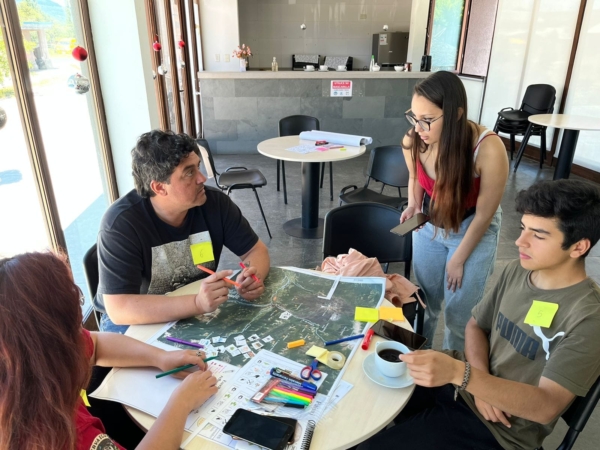
Through this process, we characterized the territorial, scientific and institutional dynamics associated with mountain socio-ecological systems, including analyses of capacities, collaboration networks, territorial needs and priority challenges for research, innovation and sustainable management.

As a result, the LNADS has an updated baseline that brings together the analysis of 937 scientific publications, a mapping of regulations and management instruments, territorial participation processes and a Geographic Information System with more than 50 official layers to support research, planning and governance in mountain territories. 50 capas oficiales para apoyar la investigación, la planificación y la gobernanza de los territorios de montaña.
​

Stage 2: Capacity building and ecosystem coordination | 2024-2025

To strengthen the capacities of stakeholders linked to the Southern Andes Natural Laboratory through training programs, experience exchanges and coordination spaces for researchers, territorial managers, public services, communities and civil society organizations. This stage promoted the use of scientific knowledge, interdisciplinary collaboration and network building to address the challenges of mountain territories.
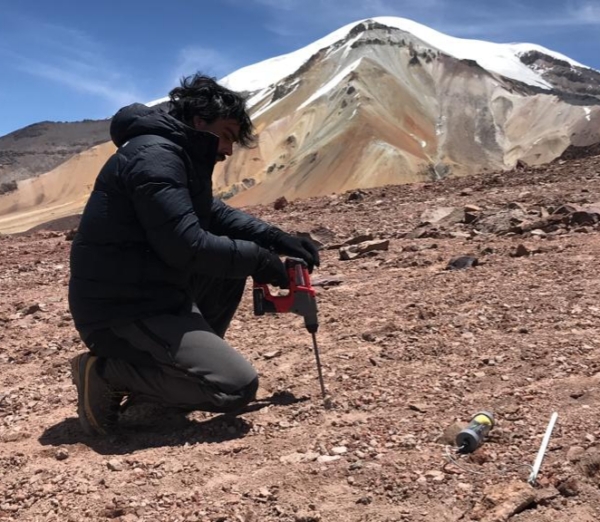
Through training activities, thematic meetings and mechanisms linking science and territory, we fostered a community of practice able to mobilize knowledge, encourage territorial innovation and promote co-production among the ecosystem's different stakeholders.

As a result, progress was made in implementing nine priority initiatives defined in the LNADS Roadmap, including Conversa con los Andes, the development of the Southern Andes Atlas, the design and delivery of the Diploma in Mountain Management and Knowledge, and several coordination processes that strengthened multilevel governance and collaboration among academia, the public sector, social organizations and communities, particularly in territories with international UNESCO designations.

Stage 3: Consolidation and territorial impact | 2026-2028

To consolidate the Southern Andes Natural Laboratory as a permanent platform connecting science, communities, the public sector and territorial stakeholders, strengthening its capacity to mobilize knowledge for decision-making, the sustainable management of mountain territories and the design of evidence-based public policy. This stage will seek to project and consolidate the lessons learned, promoting their effective application in governance, planning and territorial innovation processes.

To this end, a Territorial Council for Science, Innovation and Knowledge of the Southern Andes , will be set up to connect scientific capacities with the territory's challenges and opportunities, facilitating dialogue among stakeholders, the identification of strategic needs and the co-creation of solutions for mountain socio-ecological systems. In addition, five citizen science projects will be funded and supported to strengthen territorial participation and the collaborative generation of knowledge.

As a result, a pilot implementation of the LNADS model will be carried out in Villarrica National Park, strengthening governance, knowledge management and inter-institutional coordination mechanisms to consolidate a replicable model that integrates research, conservation, territorial development and community participation in the mountain territories of southern Chile.

About us

Our link to the SDGs

SDG 6: Clean water and sanitation​​

SDG 9: Industry, innovation and infrastructure

SDG 13:Climate
por el action​​​
​​

SDG 15: Life on land​​​​​

SDG 17: Partnerships for the goals​​​​​

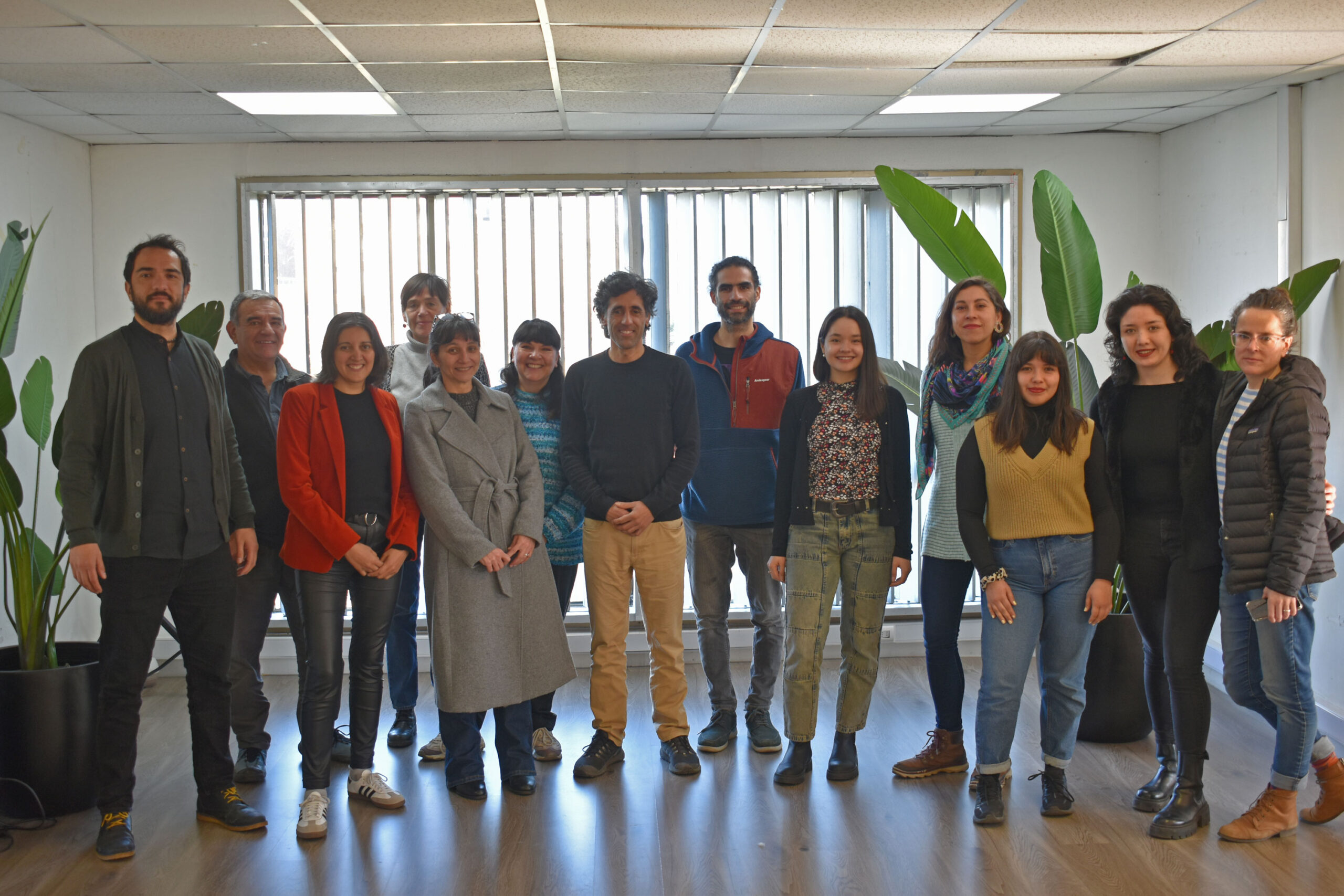
Southern Andes of Chile Team

Leadership Team

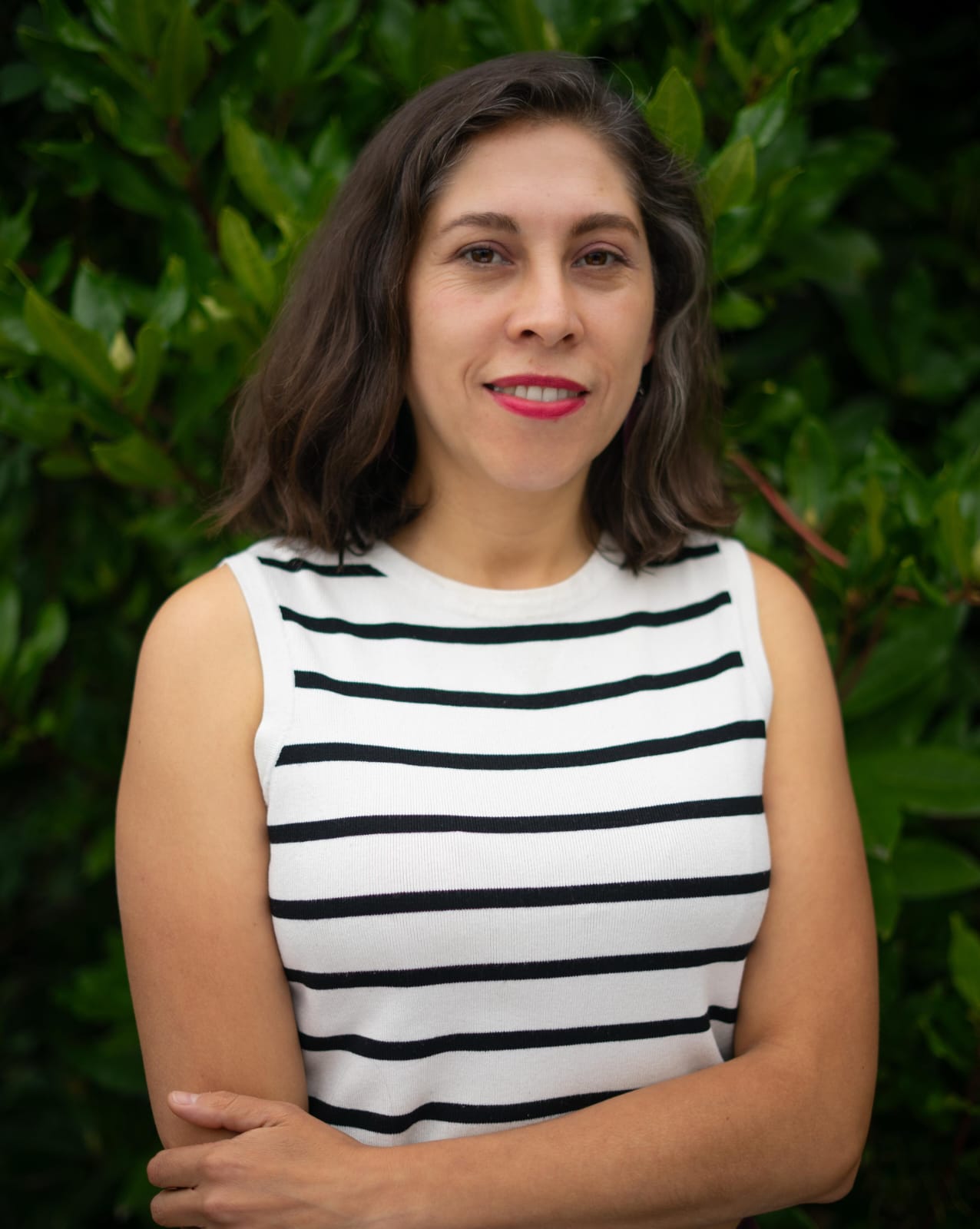
Dr. Carla Marchant S.

Project Director

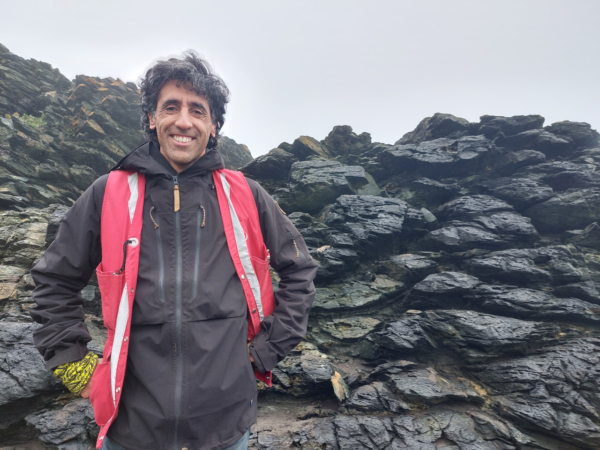
Manuel Schilling D.

Director alterno

Patricio Contreras F.

Executive Coordinator

Executive Team

Claudia Dauré

Natural Laboratory Model Implementation Lead

Alejandra González

LNADS Challenge Lead

Katia Barahona

Communications Lead

Constanza Marchant

Design Lead

Jorge Cárdenas

Finance Lead

Specialist Researchers

Tomás Ibarra

Forest Engineer from PUC, MA in Environmental Anthropology from the University of Kent (UK), PhD in Forest Sciences from the University of British Columbia, Canada.

Nicole Colin

PhD in Biodiversity from the University of Barcelona and MSc in Zoology from the University of Concepción. Faculty member at the Institute of Environmental and Evolutionary Sciences, Universidad Austral de Chile.

Pablo Sánchez

Geologist and PhD in Geological Sciences from the University of Chile.

Specialist Researchers

Alvaro Román

PhD in Architecture and Urban Studies (2016), MA in Human Settlements and Environment (2009) and Sociologist (2006).

Ana Abarzua

BSc in Biological Sciences from the Pontificia Universidad Católica de Chile, MSc in Ecology and Evolutionary Biology from the University of Chile and PhD in Forest Sciences from Universidad Austral.

Andrea Freddi

Associate Professor, Department of Social Sciences, Universidad de Los Lagos, Chile.

PhD in Cultural Anthropology, University of Turin, Italy.

Andres Fuentes

BSc in Biology and Natural Resources from the Catholic University of Temuco, MSc in Botany from the University of Concepción and PhD in Ecology and Evolutionary Biology from Iowa State University, USA.

Benedikt Hora

PhD, Geographer, Universidad Mayor – School of Agronomy.

Catalina Valdés

BA in Spanish American Literature, University of Chile. PhD in Art History, EHESS-Paris / UNSAM-Buenos Aires.

Dámaso Rabanal

BA in Education, Spanish Language and Communication teacher, MA in Mother-Tongue Teaching, MA in Literature and PhD in Literature.

Daniel Basualto

Volcanologist, Geologist and PhD in Geological Sciences from the Faculty of Civil Engineering, Universidad de La Frontera.

Fausto Sarmiento

Professor of Mountain Science in the Department of Geography, University of Georgia.

Francisco Maturana

PhD in Territorial Planning, Urbanism and Spatial Dynamics. Institute of Earth Sciences, Universidad Austral de Chile.

Isabel Rojas

Postdoctoral Researcher in Riparian Socio-ecology, Pontificia Universidad Católica de Chile, Villarrica campus.

Ivo Fustos

PhD in Geological Sciences, Universidad de La Frontera.

Jorgelina Sanazarro

Psychologist. PhD in Social Studies of Science and Technology. Universidad Mayor – Center for Resilience, Adaptation and Mitigation.

Juana Martel

BSc in Biological Sciences from UACh, MSc in Biological Sciences from the University of La Serena and PhD in Forest Ecosystems and Natural Resources from UACh.

Karen Moreno

Licenciada en Ciencias Biológicas mención zoología (2000), Universidad Austral de Chile, Valdivia. BSc in Biological Sciences, Zoology (2000), Universidad Austral de Chile, Valdivia. PhD in Earth Sciences (2006), University of Bristol, Bristol (England).

Luis Lara

Geologist, University of Chile. MSc in Geology, University of Chile, CHILE. PhD in Earth and Environmental Sciences, Université Paul Sabatier-Toulouse III, FRANCE (2004-2006).

Maite Hernando

PhD in Sociology of Development and Social Change | Associate Researcher, CEAM-UACh & Southern Andes Natural Laboratory.

Marius Schaefer

Physicist from the University of Freiburg (Germany) and PhD in Sciences from ETH Zürich.

Matthieu Vernier

Computer scientist from the University of Caen (France), PhD in Computer Science from the University of Nantes (France), MBA from the University of Nantes. Doctor en Informática of la Universidad de Nantes (Francia), Máster en Administración de Empresas of la Universidad de Nantes.

Mauro González

Forest Engineer, Universidad Austral de Chile. PhD in Geography, University of Colorado, USA. MA in Geography, University of Colorado, USA.


Pablo Iribarren

Geographer from the University of Chile. His research focuses on glacier and permafrost hazards, glaciers and society, landslide and debris-flow risk assessment, flood geomorphology and the development of low-cost dataloggers (Arduino) to study rivers, lakes and glaciers.

Paola Arroyo

History and Geography teacher, University of Concepción; MA in History and Diploma in Latin American Studies, University of Concepción; PhD in History of the Americas, University of Barcelona.

Robinson Silva

Profesor de Historia y Geografía Universidad de Concepción, Magíster en Historia y Diplomado en Estudios Latinoamericanos U. de Concepción, Doctor en Historia de América, Universidad de Barcelona.

Sarah Kelly

Geographer researching water, energy and culture in the Mapuche-Huilliche territory of southern Chile and the ancestral Abenaki lands of New England.

Tomás Altamirano

Forest Engineer from the University of Chile, with studies in Natural Resources at the Catholic University of Chile and in Agricultural and Natural Resource Sciences at the University of Chile.

Thesis Students and Interns

Bernardita Millalef

Undergraduate Thesis Student

Geography student at UACh. Her work examines the witxal, or Mapuche loom, an ancestral textile practice and a device of biocultural memory for the Mapuche people living in the mountain territory of Panguipulli.

Germán Schlicht

Undergraduate Thesis Student

Geographer, UACh. His work examined adaptation practices in Mapuche-Pewenche gardens of the Southern Andes in the face of climate variability, and the influence of biocultural memory on them.

Juan de Dios Salazar M.

Professional Intern

Fifth-year Geography student at the Catholic University of Temuco, interested in science communication and research.

Patricia Oyarzo

Professional Intern

Geology thesis student at Universidad Austral de Chile. During her internship at the Southern Andes Natural Laboratory, she took part in the inventory of geosites in the area, gathering and organizing information on their scientific, tourism and educational value.

Paulina Rodriguez

Doctoral Thesis Student

Geographer (PUCV), MSc in Rural Development (UACh) and currently a PhD candidate in Geography (PUC).

Valentina Lepe

Master's Thesis Student

Master's student in Rural Development at UACh. Her research focuses on the Southern Andes of Chile, where Indigenous and local communities that gather forest products now face a double threat: the effects of climate change and the transformations brought about by globalization.

Viviana Bustos

Undergraduate Thesis Student

Geographer from Universidad Austral de Chile, with experience in territorial analysis, GIS tools and participatory methodologies.